Blog

  • How to Write Comic Convention Panel Coverage

    How to Write Comic Convention Panel Coverage

    You have a panel in an hour and an editor waiting, so the real question is how to cover comic con panels without losing the one quote that matters.

    Quick answer: Work from the organizer’s schedule and recheck it, treat a seat as unreserved until you are in it, and mark quotes separately from paraphrase as you go. File a short sourced report fast, and add official assets once they exist. Keep review to a defined, time-bounded step with no more than two reviewers.

    This workflow covers live reporting rather than dissecting the marketing behind a reveal. For the wider context, see our pop culture commentary on comics and film.

    Start with a schedule you can trust

    The simplest fix for most missed coverage is a plan built from the organizer’s own published schedule. The KPBS event listing for the 2025 educators and librarians conference at San Diego Comic-Con states that dates and times are subject to change without notice, and tells readers to check the event organizer’s website for the most updated schedule before attending. Take that as the rule for every panel you plan around: the organizer’s site is the reference, and anything copied from elsewhere is a draft.

    1. Pull the panel listing. Copy the panel title, room, time and named presenters from the organizer’s schedule into your notes.
    2. Create a calendar entry per panel. A content calendar entry should carry a working title, a primary keyword, a publishing date, an author, an editor or reviewer, and a status.
    3. Keep a short planning horizon. The same editorial guide describes an operational view covering 7 days, updated weekly, for draft deadlines and review dates. For a convention, that view is where panel slots and filing deadlines belong.
    4. Recheck before you leave for the room. A listing is a snapshot, so confirm the time and room again on the organizer’s site.

    The educators and librarians conference shows why rechecking matters. It runs at the San Diego Central Library during Comic-Con, July 23-27, 2025, over five days, and is free. Listed sessions run 3:30-5:30 PM on July 23, 10 AM-6 PM on July 24 to 26, and 10 AM-3 PM on July 27. At the time of the listing, the Publisher Day panels were still described as being announced shortly. A lineup that arrives late changes what you should cover, so keep a placeholder slot for it and fill it in when the details land.

    A monitor, keyboard and wall calendar make a simple planning desk; the same habit of laying dates out visibly works for slotting panel times and filing deadlines.

    Credentials, seats and the room

    A press credential and a seat are separate questions. Before the event, check the organizer’s own press registration page for requirements and deadlines, and keep your confirmation somewhere you can reach it quickly. Do not assume a credential reserves a seat in any particular room unless the organizer’s press terms say so.

    The KPBS listing is a useful reminder of how seating can work. It says seating is not guaranteed and is first come, first served, and that registration is for interest only and does not guarantee a seat. For coverage, that means registering your interest is a signal, not a reservation. Plan to arrive early for any panel you cannot afford to miss. For one you can afford to miss, arrange to pick up the material from official assets afterwards.

    Choosing where to sit

    Pick your spot for the job you have to do. A seat with a clear view of the screen and the presenters’ name cards lets you attribute quotes correctly. A seat near an aisle makes it easier to leave and file, which matters if you are on a tight turnaround. If the room is full, a standing spot with a view of the screen is usually better than a seat where you cannot read who is speaking.
    Aisles, a curved balcony and overhead rigging show how sightlines differ between sections of a large seated hall. A theater stands in here for a convention room.

    Take notes you can file from

    Live notes are only useful if you can tell, hours later, what was said and what you inferred. Set up a consistent structure before the panel starts, and do not change it midway.

    Stage lights and haze fill the background while a blurred figure appears on a screen behind the crowd. Phone footage like this is a reminder to note what you actually saw before relying on a recording.
    1. Write a header first. Note the panel title, room, listed time and the presenters as named in the schedule.
    2. Mark direct quotes immediately. Use quotation marks only for words you captured exactly, and put the speaker’s name beside each one.
    3. Stamp announcements. Add a rough time mark beside each new reveal so you can find it again in a recording or when checking with a publicist.
    4. Separate seen from said. Keep one column or prefix for what appeared on screen and another for what a presenter claimed.
    5. Flag uncertainty on the spot. Put a clear marker beside any name spelling, title or release detail you are not sure you heard correctly.

    The point of that discipline is speed later. When you file, every flagged item is a known check rather than a surprise, and every unmarked paraphrase tells you not to put it in quotation marks. A panel discussion rewards this approach because several people talk over and around each other, and attribution errors are the most common way a quick report goes wrong.

    Warm overhead lights and rows of blurred seated attendees behind a blank easel show the kind of seminar-style room where a clear view of the front matters for attribution.

    Covering trailer reveals and announcements

    Comic con trailer reveals are the moments readers most want to hear about, and the easiest to overstate. Describe what the room saw and heard, and attribute every claim to the person or screen that made it. Do not assume the footage will be released publicly, and do not describe frames you did not clearly see.

    • Describe, then label. Write what appeared on screen in plain terms first, then add your reading of it as a separate sentence.
    • Hold detail you cannot confirm. Exact titles, dates and character names are the details most likely to be misheard. Leave them for official assets unless you can check them.
    • Check release claims against a schedule. If a presenter names a release window, compare it with a maintained list. Our guide on how to track upcoming comic book movies shows how to do that.
    • Handle teaser scenes carefully. If a reveal includes a hidden or tag scene, how to explain post credit scenes covers how to describe it without overclaiming.

    Verify quotes before filing

    Quote checking is a short, deliberate step, and it works best when you agree its limits in advance. A general editorial workflow guide warns that without a defined, time-bounded approval process, content waits in review indefinitely. The same guide recommends 48-hour response deadlines for editorial review. For a standing editorial queue that is a sensible ceiling, but same-day panel news needs a tighter deadline that you agree with your editor beforehand.

    1. Compare notes against your flags. Go through every item you marked as uncertain and resolve or cut it.
    2. Match quotes to the speaker. Confirm each quotation against your header, so a line from one presenter does not slip onto another.
    3. Check names and titles against official material. Use the organizer’s schedule and any official release for spellings and exact titles.
    4. Drop what you cannot stand behind. A paraphrase you cannot verify is better reported as a summary of the discussion, or left out.
    5. Ask the editor to confirm quickly. Send the draft with the flagged items listed, so the reviewer spends time on checks rather than hunting for them.

    Publish now or wait for official assets

    Publish quickly when your report rests on things you heard and saw and can attribute. Wait when the story depends on material only the organizer or studio can supply, such as an image, an exact title or a confirmed date. A short, clearly sourced report followed by an update is a better route than a delayed, polished one, provided the first version claims only what you can support.

    Review is where speed is usually lost. The editorial workflow guide advises defining a maximum of two reviewers per piece, noting that committees slow publishing. For panel coverage, name the editor and a backup before the convention starts, and let the status field in your calendar show who has the draft.

    Stage Checkpoint Planning use
    Before the panel Time and room rechecked on the organizer’s site Schedules can change without notice, so confirm before you travel to the room.
    At the door Seat treated as unreserved Seating is first come, first served, so decide early whether the panel is essential.
    During the panel Quotes, sightings and uncertain items marked separately Makes later checking fast and keeps paraphrase out of quotation marks.
    Before filing Quotes matched to speakers; reviewers capped at two Keeps review inside a defined, time-bounded step.
    After filing Official assets added when released Lets a fast first report be corrected or enriched without delaying it.

    These checkpoints draw on the KPBS listing for the educators and librarians conference and on the editorial workflow guide.

    Frequently asked questions

    Do I need to register to attend the library panels at Comic-Con?

    Not if you hold a suitable badge. The listing says Comic-Con badge holders with valid single same-day or four-day badges are welcome to attend and are not required to register. The conference is free, as described on the KPBS event page.

    How long should an editor’s review take?

    A standard blog workflow allots an editorial review step of about 1-2 hours, covering accuracy, clarity and voice, according to the editorial workflow guide. Live panel coverage should aim for the short end, which is why agreeing the reviewer in advance helps.

    What if the lineup is not announced when I plan my coverage?

    Keep a placeholder entry and revisit it when the organizer publishes details. The 2025 Publisher Day panels, for example, were still to be announced when the conference listing appeared.
  • Highest-Grossing Movies of All Time

    Highest-Grossing Movies of All Time

    Settling a debate over the highest grossing movies of all time? Avatar leads at about $2.92 billion worldwide, and Titanic’s about $2.26 billion includes re-releases, so check what a total counts.

    The shortlist below runs from the worldwide giants to the superhero and studio picture. For broader movie news, including trailers and current releases, use the main box office hub. Figures are unadjusted totals as the cited trackers report them.

    The leading worldwide totals at a glance

    Four films stand out in the worldwide figures, and each one illustrates a different way a total can be built. The table keeps them side by side so you can see what each number includes.

    Film Reported worldwide gross Planning use
    Avatar (2009) About $2.92 billion The headline answer to the all-time question. Re-releases and home video contributed to its total revenue.
    Avatar: The Way of Water (2022) About $2.32 billion Shows what IMAX and 3D screenings can add to a sequel’s run.
    Titanic (1997) About $2.26 billion Counts the original run plus re-releases, so it is a lifetime figure.
    Ne Zha 2 About $2.24 billion The highest-grossing film released in a single territory.

    These figures come from Plex’s all-time roundup, which attributes Avatar’s total to Box Office Mojo.

    Read the table as a set of lifetime totals rather than a strict podium. Avatar is the clear first entry, while the gaps among the next three are small enough that the basis of each total matters more than the order. Anyone building a quick trivia answer should name Avatar and mention the re-release caveat for Titanic.

    Avatar and Titanic: how re-releases change the ranking

    Re-releases lift a film’s lifetime total, so a ranking that mixes original runs with reissues is not a like-for-like contest. Titanic is the clearest case: its about $2.26 billion covers its original 1997 run and later re-releases, and Plex notes that a 3D re-release in 2012 added to its total earnings.

    Avatar sits in the same category. Its reported total benefited from re-releases and home video, but no separate figure is published for either, so the original-run share cannot be isolated.

    Home video is part of the story too: Avatar’s reported revenue includes it alongside re-releases, though the shop’s titles here are too small to read.

    What to do with this

    Treat both films as lifetime champions, not as opening-run champions. If you are comparing them with a recent release that has only had one run, expect the older titles to look stronger than a single release window would justify. For a film still in cinemas, the live picture is better tracked through weekend box office results.

    Large-format and single-territory hits

    Premium screens and home-market strength each explain a different part of the very top of the list. Both Avatar: The Way of Water and Ne Zha 2 show that a total can be driven by how and where people watched.

    Avatar: The Way of Water

    The Way of Water earned about $2.32 billion worldwide in 2022, and Plex credits premium formats such as IMAX and 3D as contributors to that success. It suits readers who want to understand why spectacle-led films tend to chase large-format screens.

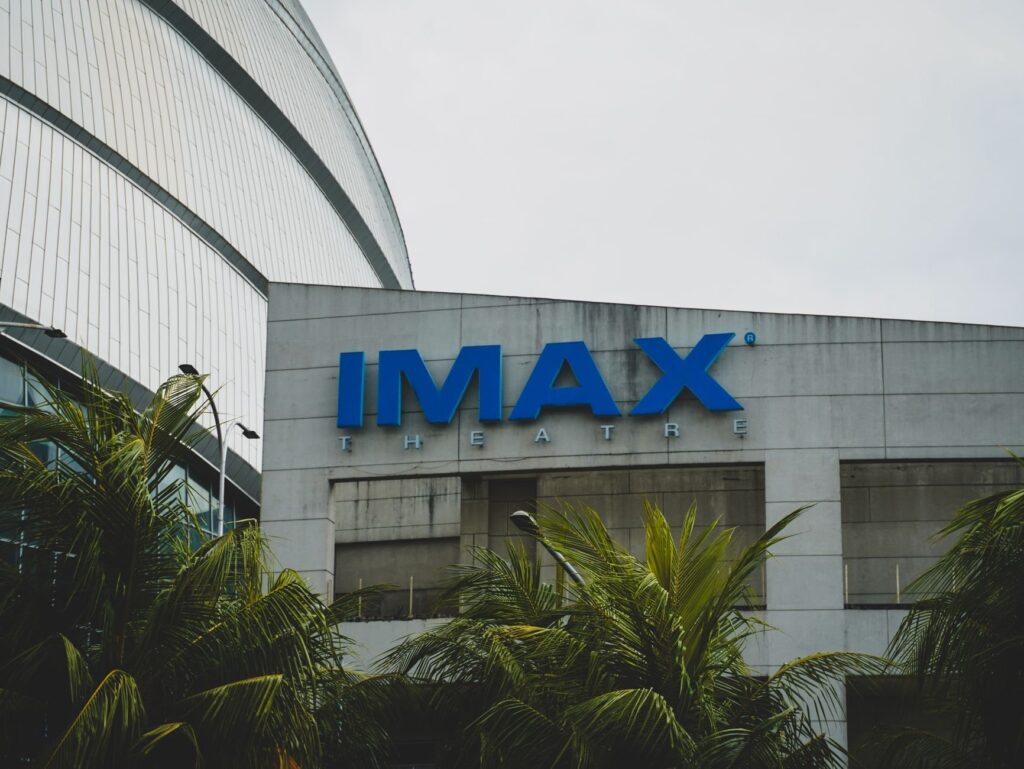
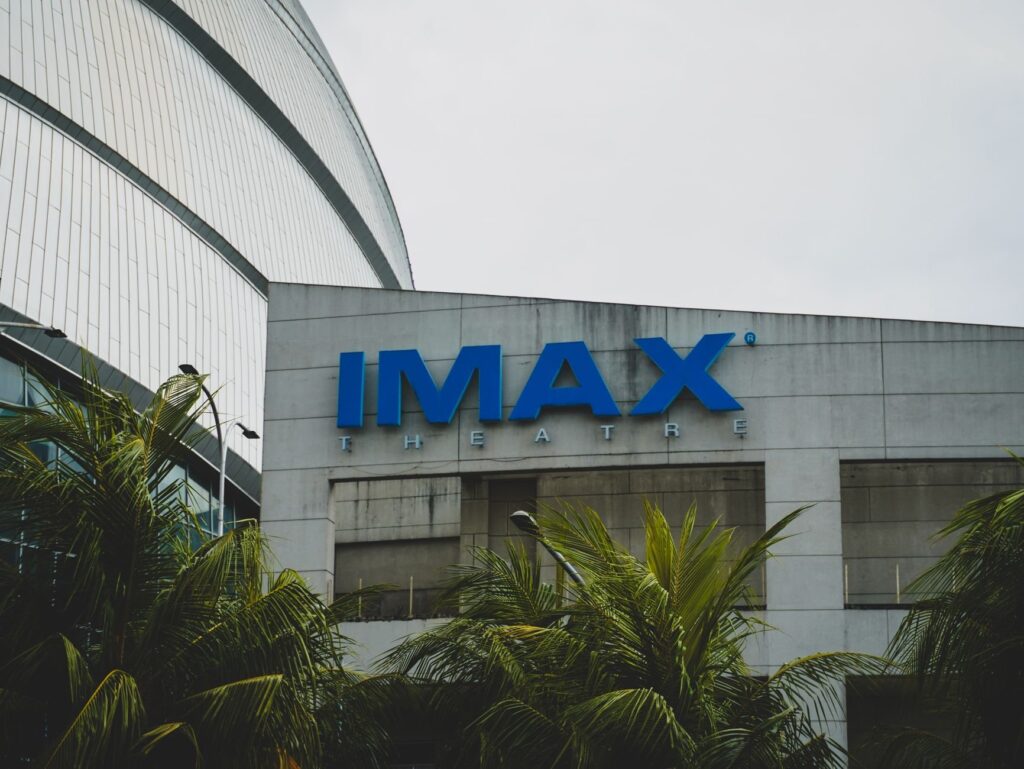
    An IMAX-branded building under an overcast sky; premium-format screens like this are one reason some releases earn more.

    Ne Zha 2

    Ne Zha 2 reached about $2.24 billion and became the highest-grossing movie released in a single territory. Its place on the list shows that a film does not need a broad international rollout to reach the top tier. The limit is that the single-territory record describes where it was released, not how its audience compares with that of the other titles here.

    Highest grossing superhero movies

    Superhero films dominate the upper reaches of Box Office Mojo’s charts, with Spider-Man: Brand New Day listed at $958,704,191 on its Top Lifetime Grosses chart, the leading PG-13 entry. The next table compares the franchise heavyweights on the release chart.

    Film Release date Distributor Chart gross Planning use
    Avengers: Endgame Apr 26, 2019 Walt Disney Studios Motion Pictures $858,373,000 The Marvel Studios benchmark for a franchise finale.
    Spider-Man: No Way Home Dec 17, 2021 Sony Pictures Releasing $804,793,477 Shows a Sony-distributed Spider-Man film competing with Disney’s Marvel titles.
    Deadpool & Wolverine Jul 26, 2024 Walt Disney Studios Motion Pictures $636,745,858 A more recent Disney release that sits below the two earlier titles.

    The figures are taken from Box Office Mojo’s release chart, where Endgame is listed on its April 2019 release date.

    These chart figures are a different measure from the worldwide totals in the first table, so do not rank them against Avatar. Box Office Mojo offers both Domestic and Worldwide all-time views, and the chart view you pick decides which kind of number you are reading. Within the superhero group, the table tells you which studio is behind the biggest releases: Disney holds two of the three, and Sony the other.

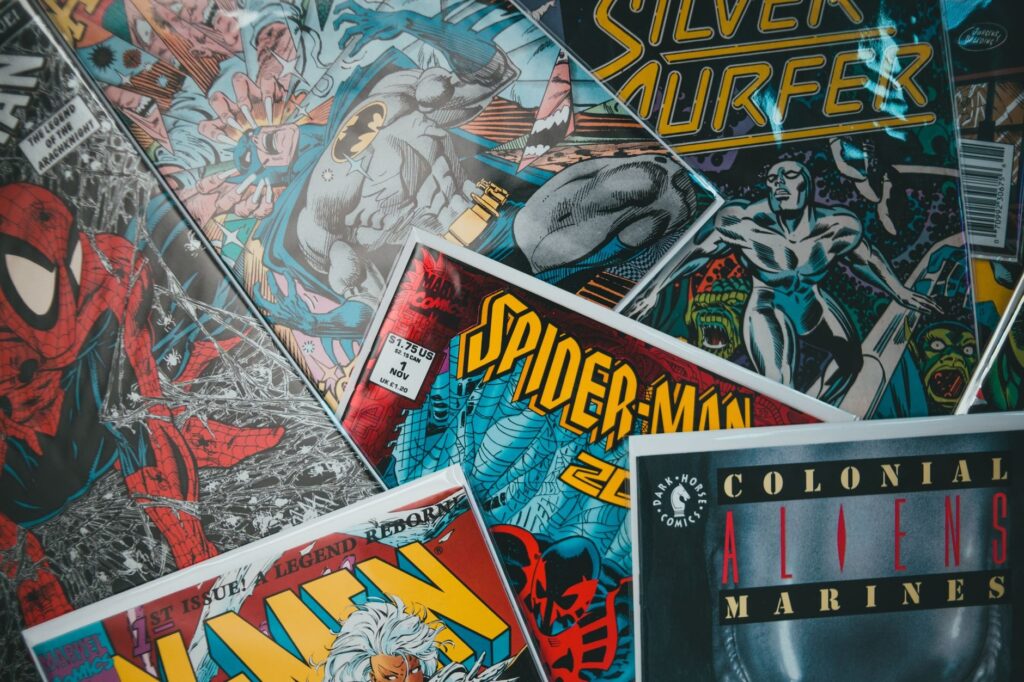
    Spider-Man, X-Men and Silver Surfer covers: the comic-book source material behind the franchises that fill the superhero rankings.

    Which studios own the top films

    Disney is the studio most often attached to the biggest titles on the Box Office Mojo charts, but Sony and Warner Bros. each own a key entry. The rows below are the main films by distributor, with context from Avalanche Studios’ guide to the largest studios and the Box Office Mojo release chart.

    • Walt Disney Studios. Distributed Avengers: Endgame and Deadpool & Wolverine. It also released Star Wars: The Force Awakens on Dec 18, 2015, which the chart lists at $936,662,225. Disney’s group encompasses Lucasfilm, Marvel Studios, 20th Century Studios and Pixar Animation Studios, which explains how one company holds so many franchises. It bought 20th Century Studios in 2019 for around $71 billion.
    • Sony Pictures. Distributed Spider-Man: No Way Home. Columbia Pictures is now a subsidiary of Sony Pictures, a useful detail when older studio names appear in credits.
    • Warner Bros. Distributed Barbie, released Jul 21, 2023, which the chart lists at $636,238,421. It is the standout non-franchise-sequel title among these examples.
    • Universal Pictures. Founded in 1912, it is the oldest film studio in the US, though none of the grosses above are attributed to it here.

    When a question asks who owns a film, check whether it means the distributor on the chart or the production company behind the brand. The two can differ, and the chart lists the distributor.

    A checklist for comparing grosses fairly

    Use these steps before quoting a total or declaring a new record.

    A cinema entrance with Spanish-language signage, included only as an illustration of the many markets behind worldwide grosses.
    1. Pick the chart view first. Choose Domestic or Worldwide on Box Office Mojo before comparing any two films.
    2. Note the data date. The release chart carries a timestamp, such as Data as of Mon Oct 26, 16:49 PDT, and a film still in cinemas will have moved on since.
    3. Ask what the total includes. If it covers reissues, call it a lifetime figure rather than an opening-run figure.
    4. Compare like with like. Keep unadjusted totals with unadjusted totals, and keep single-territory records apart from worldwide ones.
    5. Look at the other end too. Pair a record-breaker with the biggest box office flops to see how wide the range of outcomes is.

    Frequently asked questions

    Which family films top the rating-based charts?

    Box Office Mojo’s Top Lifetime Grosses chart lists Inside Out 2 at $652,980,194 for PG and Toy Story 4 at $434,038,008 for G.

    Can I see grosses for a single country?

    Yes. Box Office Mojo’s all-time charts offer national options such as Argentina, Australia and Belgium alongside the Domestic and Worldwide views.

    What is the biggest single day on the release chart?

    Spider-Man: Brand New Day took $169,843,039 on Fri Jul 31, 2026, which was 17.7% of its total on the chart.

  • Movie Ticket Prices and Premium Format Showings

    Movie Ticket Prices and Premium Format Showings

    Measure Value and condition Planning use
    North American average, 2024 $11.31, up from $9.16 in 2019 Budget a standard ticket near this level rather than from older figures.
    Latest quarter, Q4 2024 Record $11.64 Shows where pricing was heading at the end of the year, not what a typical full-year ticket cost.
    Average in 1995 $4.35 nominal; $8.43 in 2022 dollars Compare decades in real terms, never in raw dollars.
    Average in 2022 $9.17, with 0.828 billion tickets sold Shows that price and attendance can move apart.
    Average in 2016 $8.65, with 1.3 billion tickets sold Shows far more tickets sold at a lower price than in 2022.

    Figures come from WorldAtlas, citing industry data compiled by The Numbers, and from Giggster’s inflation-adjusted ticket series.

    The average movie ticket price in North America was $11.31 in 2024. Treat it as a baseline across ticket sales, not a quote for an IMAX, 3D or recliner seat.

    For wider context on grosses and releases, follow our movie news coverage. If you are deciding when to buy, check the upcoming movies release dates first, because the price you face depends on the film and the screen you pick.

    Planning around the average ticket price

    The average is most useful as a ceiling on surprise, not as a price tag. The North American average reached $11.31 in 2024, and the fourth quarter of that year set a record of $11.64. A family or group that budgets from an older figure will underestimate the bill. These are the practical decisions that follow from the numbers.

    Empty rows of black leather seats, each with a cup holder and button panel on the armrest.
    • Budget from the newest figure. Use the 2024 average as the starting point for a standard showing, and expect the quarterly record to be a better guide to current pricing than a figure from several years back.
    • Compare years in real dollars. A ticket from decades ago looks very cheap in nominal terms, but adjusting for inflation closes much of the gap. The inflation section below explains how far.
    • Price the format, not the film. The same title can be sold in several formats and seat types. Compare the listed price for your chosen screening with the average before deciding whether the upgrade is worth it.
    • Read grosses with price in mind. A bigger opening-weekend number can come from more people, from higher prices, or from both. The box office section below shows why the two should not be confused.

    That last point matters most when a premium screen is involved, because the format a viewer chooses is where the average stops describing the real cost.

    Premium formats, 3D and recliner seating

    Premium large format screens, 3D showings and recliner auditoriums are different products from a standard seat. The averages in this guide describe ticket sales broadly. They are not a price list for any one auditorium, so the listing for your chosen showing is the only reliable price.

    A sensible rule is to pay for a premium experience when the film is built around it and to stay with a standard screen when it is not. Spectacle-driven releases give a bigger screen or immersive sound the most to do. Dialogue-driven films lose less when shown in a standard room.

    IMAX and other premium large format screens

    IMAX is the best-known premium large format brand, and IMAX box office share is a statistic that is easy to misread. If a format charges more per seat, its share of ticket revenue can run ahead of its share of attendance. A high revenue share therefore tells you about dollars, not necessarily about how many people chose the screen. When you see such a share quoted, ask whether it counts tickets or revenue before drawing conclusions.

    The blue IMAX logo on a theatre facade. It marks the brand on the building, not the auditorium experience, which is what the higher ticket price pays for.

    3D showings

    The question behind 3D versus 2D box office share is the same one that applies to any premium format. A 3D showing is a separate ticket with its own listed price, so its slice of a film’s gross reflects both how many people chose it and what they paid. For a buyer, the choice is simple. Pick 3D when the film was made to use it and you enjoy the effect, and pick the standard version when the extra cost buys you little.

    Recliner seating

    Recliner auditoriums change the seat, not the picture. They suit long films and viewers who value space more than screen size. A premium seat and a premium screen are separate purchases, so check which one a listing actually includes before comparing prices.

    Cup holders and numbered armrest labels show how reserved recliner seating works. Picking an exact seat is part of what a higher-priced listing offers.

    How much of the price rise is inflation

    Inflation explains much of the nominal climb in ticket prices, and the evidence is clearest when older averages are restated in 2022 dollars. Giggster’s inflation-adjusted series puts the 1995 average of $4.35 at $8.43 in 2022 dollars. The 2000 average of $5.39 becomes $9.24, the 2010 average of $7.89 becomes $10.70, and the 2015 average of $8.43 becomes $10.48.

    Read in real terms, the line is much flatter than the raw numbers suggest. Between 1995 and 2015 the adjusted figure moves from $8.43 to $10.48, far less dramatic than a jump from $4.35 to $8.43 would imply if inflation were ignored.

    The recent period points the same way. WorldAtlas reports that the North American average rose in line with consumer-price inflation from 2017 to 2024. The practical lesson is to stop treating each new high as a sign of unusual pricing. A new nominal record is expected when general prices rise, and the better test is whether tickets have become expensive relative to the rest of the household budget.

    Do higher prices mean higher box office totals

    No. A higher average price does not by itself produce a bigger box office total, because gross revenue also depends on how many tickets are sold. Giggster’s data shows 1.3 billion tickets sold in 2016 at an average of $8.65. In 2022 the average was higher at $9.17, yet only 0.828 billion tickets were sold.

    Viewers in dark 3D glasses face a screen outside the frame. The glasses are part of the 3D experience that the separate ticket price covers.

    That contrast is why headline grosses need a second look. When a film or a year is reported as a record, ask whether the audience grew or the ticket got dearer. A gross that rises because of price tells you less about audience demand than one that rises with attendance. Lower attendance at a higher price can leave the total looking healthier than the audience really is.

    Attendance is also what studios work hardest to build before release. The best movie marketing campaigns are aimed at getting people into seats, which is why price and audience size are worth reading separately.

    Where each ticket dollar goes

    A ticket price is split among several parties, and the theater does not keep all of it. A CreativeFuture breakdown says 50% of each ticket goes back to the filmmakers, and about 20% of each ticket pays the theater’s rent and bills.

    Two implications follow. First, a higher ticket price is not pure gain for the exhibitor, because a large portion covers the film itself and a further portion covers keeping the building running. Second, those figures come from one outlet’s illustration, so treat them as a guide to the shape of the split rather than a contract term for a specific film.

    Who reports ticket-price data

    The National Association of Theatre Owners is the exhibition industry body whose name appears alongside box office statistics. According to WorldAtlas, it rebranded as Cinema United in March 2025. Anyone looking for newer industry commentary should search under both names, because older reports and newer ones may use different labels.

    Whatever the source, check three things before relying on a figure: the year, whether the price is nominal or inflation-adjusted, and whether the number covers all showings or a particular format. Mixing those up is the most common way an average ticket price ends up misleading.

    Frequently asked questions

    How old is the $8.00 US average that still appears online?

    A CreativeFuture article dated 01-09-17 put the US average at $8.00. It predates the 2024 figures, so do not compare it directly with the later average.

    What does the record Q4 2024 figure mean?

    The $11.64 recorded for Q4 2024 is the highest quarterly average reported. It is a single quarter, so it is a pointer to current pricing and not a full-year average.

    Do I need inflation-adjusted prices to compare 2010 with 2022?

    Yes. In Giggster’s series, the 2010 average of $7.89 equals $10.70 in 2022 dollars, which is above the $9.17 actual average for 2022. In real terms, a 2010 ticket cost more than a 2022 one.

  • Email address homerocketrealty

    Email address homerocketrealty

    There is no confirmed email address for homerocketrealty to copy. The site presents itself as a home-improvement blog with a contact-us page, and that page is the starting point; the alternatives below cover what to do if it does not give you an address.

    Question Short answer
    What kind of site is it? A WordPress home-improvement blog, not a brokerage
    Is a verified email listed? None to quote here
    Best first route The contact-us page on the site
    Other pages worth reading about-the-crew, privacy-policy, t-c
    Is a named manager or author confirmed? No
    Biggest risk Guessed or copied addresses from third-party pages

    What people mean by email address homerocketrealty

    Searches for an email address on homerocketrealty come from readers who want one direct way to write to the site. The phrasings vary, but the need is the same.

    Typical variants include “email info homerocketrealty”, “homerocketrealty email address”, “contact email homerocketrealty” and “homerocketrealty.com contact”. Others add a role, such as “homerocketrealty manager email” or “homerocketrealty manager contact email”. Some add a first name, as in “homerocketrealty timothy contact” and “timothy contact homerocketrealty”. A few combine the brand with an author credit, such as “author homerocketrealty timothy williams”.

    All of these lead to one practical question: where does the site itself tell visitors to write? Only the site can answer that. Directory pages and scraped listings often guess, and a guessed address such as info@ followed by a domain is a pattern, not a fact.

    What homerocketrealty looks like on its own pages

    Homerocketrealty presents itself as a home-improvement blog with the tagline “Design Your Perfect Home Using Technology”. The home page title reads “Home – Homerocketrealty”, and the blurb covers interior designs, curb appeal tips and daily home hacks.

    A generic desk scene: contact details are easiest to confirm when you read them straight from a site’s own pages.

    The navigation has category pages for home-exterior, home-hacks and home-interior. It also has about-the-crew, contact-us, privacy-policy and t-c pages. The theme is a standard WordPress one, and recent posts include guide-style articles on how to reach “HomeRocket Realty”.

    Despite the name, no property listings, agent names or licence numbers appear on the home page. A reader expecting a brokerage should adjust: this reads as a content site, so the contact route is likely a form or a editorial inbox rather than an agent line.

    Alternatives when no email is published

    Several routes can replace a published email, and each has trade-offs. The table compares them.

    Route Strength Weakness
    Contact-us page form Comes from the site itself No copy of your message unless you save it
    Address inside the privacy-policy or t-c page Legal pages often name a data contact May not exist
    Comments on a relevant post Public and easy to do Not private, slow
    Guide posts on reaching the brand Show how the site frames contact Can be third-party style content
    Domain registration lookup Can show a registrar abuse route Often hidden behind privacy services
    Guessing info@ or admin@ Costs nothing Unreliable, and it may reach a stranger

    The first three are the strongest because the site controls them. Treat the last as a last resort, and never put private details in a message to an unconfirmed address.

    Checking a homerocketrealty.com contact page safely

    A genuine contact page sits on the same domain you typed, and it is the only place worth trusting for contact details. Before sending anything, run the checks below.

    Reading the address bar carefully catches most lookalike pages before any message is sent.
    1. Read the domain letter by letter. Lookalikes swap characters or add words such as “-support” or “-help”.
    2. Open contact-us from the site’s own menu. Do not rely on a link from a search snippet or a forum post.
    3. Match the email domain. An address at a free webmail service is weaker evidence than one on the site’s own domain.
    4. Look for a form first. Many blogs use forms to cut spam, so a missing address is not a red flag by itself.
    5. Keep it short and non-sensitive. Share no passwords, payment details or ID numbers.
    6. Save a copy. Screenshot the form and the confirmation message.

    If a page offers a “manager” inbox, check that the same address appears on the site’s own pages and not only on a third-party listing.

    Names, managers and the Timothy Williams searches

    The site does not state who runs it, and it shows no confirmed email address, manager or author. That is the one gap that matters here, and it shapes how to read the name-based searches.

    Queries like “author homerocketrealty timothy williams”, “homerocketrealty timothy contact” and “timothy contact homerocketrealty” assume a named person. No page tying a person called Timothy Williams to the site is shown, so treat that name as unconfirmed. A name only counts when the site attaches it to a page, such as an about-the-crew entry or a post byline.

    The same applies to the “manager” phrasings. A job title on a scraped directory is not proof of a role. If you need a decision-maker, write through the contact-us route and address the message to the site team rather than to a guessed individual.

    How a comics and movie reader should read this brand

    Homerocketrealty has no stated link to comics, film or celebrity coverage, and this article does not claim one. Its subject is house interiors, exteriors and household tips.

    Why does it matter on a pop-culture site? Because fans meet the same contact problem everywhere: press screeners, fan-art credits, merchandise queries and takedown requests all start with finding a real inbox. The habits above apply equally to a studio’s publicity page or a small comics shop.

    One overlap exists for movie fans: home theatre rooms, shelving for comic collections and display lighting fall under interiors. If that is your interest, read the site’s home-interior pages as ordinary design ideas, and judge each article on its own merits rather than on the brand name.

    Who these contact routes suit, and who should look elsewhere

    The contact-us route suits readers with a simple message: a correction, a content question, a partnership note or a privacy request. It is quick, comes from the site itself, and needs no guesswork.

    It suits less well anyone who wants to buy, sell or rent property. The site shows no listings, agents or licences, so a message there is unlikely to reach a broker. Look for a licensed agent through your local regulator’s register instead.

    It also suits poorly anyone chasing a named person. Without a confirmed owner or author, a message addressed to “Timothy” or “the manager” may go nowhere. Send it to the team, keep it brief, and if there is no reply, treat the site as unreachable rather than hunting for addresses elsewhere.

    The last step is simple: if no address appears on the site’s own pages, use the contact form, save your confirmation, and do not rely on any email address you cannot trace back to homerocketrealty itself.

  • Blind Items Explained

    Blind Items Explained

    What is a blind item? It is a piece of gossip that shares juicy details without naming anyone, leaving readers to piece together clues about who is meant. The catch is that the reader usually cannot verify it.

    The format is one small corner of celebrity gossip, and it works best when you understand its construction before you start guessing. The sections below cover how an item is built, where it appears, who gains from it and how to read one sensibly.

    The format in plain terms

    A blind item is gossip with the name taken out. One podcast on the subject puts it as dishing out all the juicy details without naming names, and compares it to a tantalizing piece of gossip you would find in a tabloid. The detail is on the page. The identity is not.

    The handwriting is visible but too small and blurred to read at this size.

    That missing name is the whole product. An ordinary gossip story gives the reader a claim and a person to attach it to. A blind item gives the claim and withholds the person, which turns reading into a small puzzle. As the same podcast describes it, the item leaves it up to the audience to piece together the clues.

    This is why the term shows up wherever gossip does. A tabloid is a publication built around this kind of material, a gossip column is a regular feature that carries it, and a blind item is the anonymous short form that can sit inside either. The entry point is the same everywhere: a story about someone, minus the someone.

    How a blind item is built

    Most blind items follow the same internal logic, even when the subject matter changes. Reading them as constructed pieces, rather than as reports, makes the pattern easy to see.

    1. Start with a scandalous scenario. The hook is the juicy detail. LaineyGossip describes its blind item series as covering cheaters, affairs, love triangles, studio drama, power struggles and other juicy smut, which gives a fair picture of the usual raw material.
    2. Remove the name. The writer replaces the person with a description, such as a type of star or a role. The reader is told that someone is involved, but not who.
    3. Leave clues in the description. The remaining details act as handles. These are what readers are meant to use when they work out who is meant.
    4. Close with a question. Many items end by handing the puzzle to the audience. One example on the blog Crasstalk finishes by asking Who is Mr. Dress-up?, which invites readers to name the unnamed star.

    The sequence explains why the format feels interactive. The writer supplies a story, takes away its subject and then asks the reader to finish the job. Finishing the job is a guess, not a confirmation.

    Where blind items appear

    The format has moved between print, websites and games without changing its basic shape. Each home adds a slightly different twist on the guessing.

    Gossip columns and tabloids

    The tabloid comparison is the simplest way to place the format. A short anonymous item fits naturally into a regular column, where readers expect a quick piece of talk rather than a full report. The compact length suits it, because there is little room for anything beyond the hook, the clues and the question.

    A printed newspaper page: columns of small text like these are the kind of space a short anonymous item has to fit into.

    Gossip websites

    Online, the same idea becomes a recurring series. LaineyGossip files its anonymous items under a Blind Riddles tag, which shows how a gossip site can turn the format into a regular feature rather than an occasional aside. A series gives readers a reason to come back, since each new riddle is another puzzle.

    Reading on a laptop or phone also changes how people respond. Readers can compare guesses with others, which makes a clueless-looking item feel like a shared mystery. A guess that many people repeat can start to feel like an answer, even though repetition adds no evidence.

    Online reading puts a grid of items one click apart, so a single anonymous story competes with many others for attention.

    Guessing games

    The format has also been borrowed as a game. BuzzFeed uses the label for a pop culture guessing game where players try to name a movie, a show or a celebrity from clues. You can keep revealing clues, but you lose points.

    The game version is useful because it makes the mechanism explicit. The fewer clues you need, the better you score, and the answer is checked by the game itself. A gossip item offers the same puzzle but no scoring system, so a guess is never marked right or wrong.

    Who benefits and why readers cannot verify

    The format is built so that the publisher gets the attention of a story while leaving the subject unnamed. Readers get a puzzle to chew on, and the item gets talked about because the name is open to debate. Those benefits come from the structure itself, not from any particular rumor being true.

    Verification is where the format is weakest. A claim about an unnamed person has no fixed target, so there is nothing a reader can check it against. Even if a guess seems to fit every clue, the clues were chosen by the writer, and a good fit shows only that the description is flexible enough to match.

    That is the central point for anyone reading one. A blind item can be entertaining as a puzzle, but the puzzle itself is the product. Its entertainment value does not depend on whether the story is accurate, and nothing in the format asks the writer to prove it.

    Reading a blind item sensibly

    Treat an item as a puzzle first and a claim second. A few habits keep the guessing fun without confusing a clue-fit with a fact.

    • Separate the puzzle from the claim. Working out who an item could be is a game. Believing the underlying story is a different step, and the format gives you no help taking it.
    • Be wary of confident guesses. A name that many readers agree on has not been confirmed by agreement. Hold a guess loosely and do not repeat it as if it were established.
    • Watch the framing. The closing question, the teaser and the promise of juicy details are designed to pull you in. The same techniques show up in how to spot clickbait celebrity headlines, and the habits for resisting them carry across.
    • Remember how stories reach the page. Gossip often travels alongside photographs and tip-offs, which is the territory of how do paparazzi work. An anonymous item has no picture and no named source to weigh.

    If you enjoy the format, enjoy it as a game. If an item makes you want to act on it, share it or form a view of a real person, that is the moment to stop, because the format cannot support any of those steps.

    Frequently asked questions

    Does a blind item always name nobody?

    It leaves the person unnamed, which is the defining feature. The reader is expected to piece together the clues, so the details are on the page while the identity is withheld.

    Is a blind item the same as a tabloid story?

    No. A tabloid is a publication, and a blind item is a kind of gossip it can carry. One podcast compares the format to tabloid gossip with the names left out.

    What kinds of stories do blind items usually cover?

    LaineyGossip describes its series as covering cheaters, affairs, love triangles, studio drama and power struggles. That mix of scandal and workplace intrigue is typical of the format.

    Why do blind items often end with a question?

    The closing question hands the puzzle to the reader. An item on Crasstalk, for example, ends by asking who the unnamed star is, which turns a story into a guessing prompt.

    Can a blind item be proved or disproved?

    Not from the item alone. With no name attached, there is nothing fixed to check, and a guess that fits the clues shows only that the description was open enough to match.

  • Upcoming Animated Movies

    Upcoming Animated Movies

    Reader situation Film Listed opening Planning use
    Something this year The Cat in the Hat November 6, 2026 Ticketing-site date. Treat as tentative until the studio confirms it.
    Something this year Disney’s Hexed November 25, 2026 The nearest Disney-branded release. Check the studio’s page before booking.
    Something this year The Angry Birds Movie 3 December 23, 2026 A sequel by title. The latest date in this year’s list.
    Something this year Crunchyroll Anime Nights: Dive In Wonderland November 16, 2026 An anime event listing. Confirm showtimes with your theater.
    Following a franchise Ice Age: Boiling Point February 5, 2027 Both listings agree on this date, which makes it the firmest sequel date here.
    Following a franchise Spider-Man: Beyond the Spider-Verse June 18, 2027 A sequel by title. Single-listing date, so keep plans flexible.
    Following a franchise Shrek 5 June 30, 2027 A DreamWorks Animation sequel. Single-listing date.
    Planning far ahead Frozen 3 November 24, 2027 A Walt Disney Animation Studios sequel. Too far off to book around.
    Planning far ahead Coco 2 November 21, 2029 A Pixar sequel. Useful only as a long-range marker.

    Dates in this table come from the ticketing listings on Fandango and Rotten Tomatoes, and none of them is a studio guarantee.

    The upcoming animated movies below run from a handful of late-2026 releases to sequels listed as far out as 2029. Each date is a listing, so the safest plan is to book only once a studio or theater confirms.

    For wider coverage of releases, box office and trailers, see our movie news hub. The sections here are grouped by what you are trying to do: see something soon, follow a studio, track a franchise, find anime on a big screen, or judge how far to trust a date.

    Opening in the next few weeks

    Three studio-style animated features and one anime event are listed on Fandango’s animated coming-soon page for the end of 2026. If you want a family outing before the year closes, this is the shortlist. The Disney title is covered in the Disney and Pixar section below.

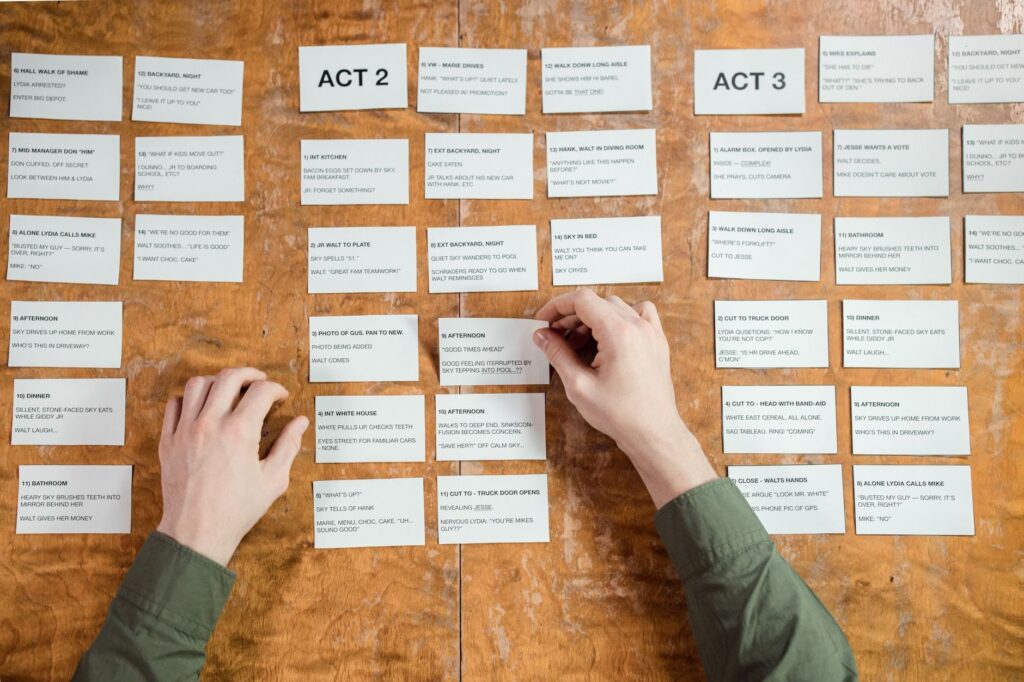
    White cards are grouped under ACT 2 and ACT 3 headings on a wooden board, with a hand placing one card in the grid.

    The Cat in the Hat

    Fandango lists The Cat in the Hat as opening on November 6, 2026, the earliest date among the animated features there. That makes it the first film to plan around if you want something soon. Studio and distributor details are best confirmed on the film’s official page before you commit to a showtime, because the date itself is a ticketing-site listing.

    It suits families who want a near-term option and are happy to book once showtimes post. Anyone who needs a fixed date months ahead should wait.

    The Angry Birds Movie 3

    The Angry Birds Movie 3 is listed for December 23, 2026, and the title marks it as a sequel in an existing franchise. It is the last of the late-2026 animated releases on that page, so it suits a holiday-period outing rather than an autumn one.

    If you have not seen the earlier films, the sequel status is worth checking on the film’s own page before assuming it stands alone. Because only a ticketing listing supports this date, keep any schedule loose until tickets go on sale.

    Disney and Pixar releases

    Disney and Pixar offer the most recognisable names, but their dates vary in firmness. One has a specific day on a ticketing site, two Pixar films have only a year on the studio’s own page, and the later sequels sit well into the future.

    Disney’s Hexed

    Fandango lists Disney’s Hexed as opening November 25th (2026). It suits families planning a holiday-week trip, but the date is a listing, so confirm it with the studio before arranging travel.

    Toy Story 5 and Hoppers

    Pixar’s official feature films page lists Toy Story 5 and Hoppers under 2026. It gives the year only, with no month or day. Toy Story 5 is a sequel by title, and Hoppers is listed alongside it as a 2026 feature.

    Because the studio itself shows only a year, any exact day you see elsewhere should be treated as tentative. The practical move is to follow Pixar’s page for a firm date rather than reserving tickets from a third-party guess.

    Frozen 3 and Coco 2

    Two further Disney-family sequels sit much later. Rotten Tomatoes lists Frozen 3, a Walt Disney Animation Studios sequel, for November 24, 2027. It lists Coco 2, a Pixar sequel, for November 21, 2029.

    The gap between them is the useful point. Frozen 3 is close enough to watch for trailers and news, while Coco 2 is so far out that its listed date is a marker, not a plan.

    Sequels and franchise films

    Several of the biggest names on the list are continuations, and sequel status often shapes who the film is for. A viewer who loved the earlier entries will treat these differently from someone shopping for a stand-alone family film.

    A clapperboard with printed labels such as PROD., SCENE, TAKE and DIRECTOR. Sequels move through the same production steps, which is one reason their dates can shift.

    Ice Age: Boiling Point

    Ice Age: Boiling Point is listed for February 5, 2027 on Fandango and for the same day on Rotten Tomatoes. Agreement between both listings makes it the most consistent sequel date here, though neither listing is the studio.

    Separately, Cinemark’s animation page lists an Ice Age 6 title as coming soon with no date shown, which is a reminder that titles and dates are not uniform across listings.

    Spider-Man: Beyond the Spider-Verse

    Rotten Tomatoes lists Spider-Man: Beyond the Spider-Verse for June 18, 2027, and the title marks it as a sequel. It suits viewers who already follow the earlier films and want a summer date to watch for.

    Only one listing in the pack gives this date, so hold off on committing travel or group plans until a studio or theater page repeats it.

    Shrek 5

    Shrek 5, a DreamWorks Animation sequel, is listed for June 30, 2027. That is only days after the Spider-Man date in the same listing, so summer 2027 looks crowded for animation, which makes early showtime checks sensible.

    Cinemark’s animation page names Pixar, DreamWorks and Illumination as studios whose new releases it shows, so a DreamWorks film is a standard fit for the chain’s animated slate.

    A digital artist working at a pen tablet, a stand-in for the drawing-tablet workflow that sits behind animated features. The screen shows a sunflower painting, not film artwork.

    Use these decision points when choosing among the sequels:

    • Earliest firm-looking date: Ice Age: Boiling Point, because both listings match.
    • Summer 2027 viewers: Spider-Man: Beyond the Spider-Verse and Shrek 5 are both listed in June, so compare showtimes once they post.
    • Holiday 2026 viewers: The Angry Birds Movie 3 is the only sequel in this year’s list.
    • Long-range followers: Frozen 3 and Coco 2 are worth a note, not a booking.

    Anime in theaters outside Japan

    Anime reaches theaters outside Japan mostly through distributor events and limited runs, and listings tend to be less detailed than for studio features. Cinemark describes its anime offering as running from Studio Ghibli classics to the latest anime premieres, so a big chain can be a starting point for what is showing.

    Crunchyroll Anime Nights: Dive In Wonderland

    Fandango lists Crunchyroll Anime Nights: Dive In Wonderland as opening on November 16, 2026. It is an event-style listing, so it suits fans who like a one-off screening more than a long run. Check your theater’s page for showtimes and the exact release arrangement, since events of this kind may not play every day.

    The Irregular at Magic High School THE MOVIE -Yotsuba Succession Arc-

    The same Fandango page lists this anime film as opening on Sunday, with no calendar date shown in the listing. It is a film for existing followers of the series, as the title signals a story arc rather than a standalone introduction.

    Because the listing gives no full date, look at your local theater’s showtimes before planning an evening around it. Distributor details are also worth checking on the theater page.

    How firm are these dates?

    Every date above is tentative until a studio or theater says otherwise. The strongest evidence is a primary source such as Pixar’s feature films page, and for 2026 titles it gives the year only.

    Trade coverage backs up the caution. Animation Magazine’s November 2024 preview warned that release dates would be changing more than Mickey Mouse’s designs through the years, and it treated its dates as tentative when the list was compiled. The same logic applies to a ticketing listing today.

    Release schedules are easiest to track on a screen: a tablet showing a page of video thumbnails, the kind of view where trailers and date updates often surface.

    Use these habits to keep plans realistic:

    • Wait for a second source: a date that appears on both Fandango and Rotten Tomatoes, as Ice Age: Boiling Point does, is firmer than a single listing.
    • Prefer the studio: when a studio page gives only a year, do not treat a ticketing site’s day as settled.
    • Watch for visuals: new artwork often signals progress, so browse new movie posters for first-look material.
    • Follow the calendar: a schedule of movie trailers coming soon helps you spot when a film is close to release.

    Frequently asked questions

    Question Answer
    Which upcoming Disney animated movies have a listed date? Disney’s Hexed is listed for November 25, 2026 on Fandango, and Rotten Tomatoes lists Frozen 3 for November 24, 2027. Pixar’s own page shows only a year for Toy Story 5 and Hoppers.
    Which animated sequel is furthest away? Coco 2 carries the latest listed date here, November 21, 2029 on Rotten Tomatoes.
    Does a ticketing-site date mean a release is confirmed? No. A listing is a working date, and Pixar’s page gives years without days. A trade preview also warned that animated release dates shift.
    Which studios do theater chains highlight for animation? Cinemark’s animation page names Pixar, DreamWorks and Illumination among the studios it shows, alongside Studio Ghibli classics and new anime premieres.
  • How to Find Reliable Sources for Comic Movie News

    How to Find Reliable Sources for Comic Movie News

    The best sources for comic book movie news name their writers, credit their images and separate reporting from opinion. Check who wrote a story, who owns the outlet and whether the claim traces back to a named origin.

    A casting rumour appears in your feed late at night and several accounts repeat it within minutes. Before you share it or quote it, you need to know which outlet broke it and whether anyone confirmed it. This shortlist sorts source types by how far you can lean on them, then covers how to credit them. For wider context on the genre, see our pop culture commentary. If you care more about dates than rumours, start with how to track upcoming comic book movies.

    What to check before you trust a story

    A reliable comic movie story shows its working. You can usually judge that in under a minute from the page itself, without any special tools.

    Several microphones carry different TV channel logos, including one reading ‘ATR’ and one showing a ‘2+1’ logo, and a dark wall fills the background.
    • A named byline. Stories on ComicBook.com’s comics category carry bylines such as Shawn Lealos and David Harth. A named writer can be held to account and cited properly, which an unsigned post cannot.
    • Credited images. The same listings caption pictures with lines like “Image Courtesy of DC Comics” or “Image Courtesy of Marvel Comics”. Crediting the rights holder shows an outlet follows publishing conventions rather than lifting pictures at random.
    • Careful wording on unconfirmed claims. In its review of the biggest comic book movie news stories of 2020, Screen Rant says it is “generally believed” that Derrickson wanted to go further with the horror. That phrasing marks a reason as unconfirmed, and you should repeat it with the same hedge.
    • Who is allowed to publish. Some sites let members post. Learn which kind of site you are reading before you treat a post as reporting.

    Treat any story that fails all four checks as a lead to chase, not a fact to repeat. The next question is whether the outlet did the reporting itself.

    Telling original reporting from aggregation

    Original reporting comes from the outlet that obtained the information. Aggregation repackages someone else’s story, often with a new headline. The practical test is whether the page names where the information came from and links to it.

    Feed platforms make this harder, because a feed page shows many publishers in one place. NewsBreak, for example, lists Comic Book as a partner publisher with 92.6K followers (page snapshot). A follower count there measures reach on that platform. It does not tell you whether a given story was reported first by that publisher. Open the story at its publisher and look for the byline and the attribution.

    A generic stock photo of a printed page; the habit it stands for is reading past the headline to the attribution in the body text.

    Follow a rumour back through the chain. If outlet A says “according to outlet B”, go to outlet B. If that trail ends at a vague phrase such as “reports say”, you are looking at a rumour with a long echo, not a confirmed story.

    Studio announcements and official channels

    A studio’s own press room and official social accounts are the closest you get to the origin of an announcement. They suit release dates, titles and cast confirmations that the studio has chosen to make public. They are the right place to verify a claim that other outlets are relaying.

    Their limit is that studios publish what suits their marketing. A studio post can confirm that something is happening, but it will rarely explain a departure or a delay. Pair it with an outlet that reports independently when you need context.

    Generic social icons on a phone. Official studio accounts work the same way: confirm the account is the studio’s own before treating a post as primary.

    When a studio post and a news story disagree, trust the post for the announcement itself and the news story for anything the post leaves out. Quote the post directly rather than a rewrite of it.

    Trade outlets: Variety, Deadline and The Hollywood Reporter

    Readers comparing Variety, Deadline and The Hollywood Reporter are really asking how trade outlets differ in focus and style. Each outlet’s own About page and editorial policy is the authority for its ownership, founding and stated focus, so read those pages rather than relying on reputation or a forum summary.

    The more useful comparison is behavioural. Pick one announcement and see how each outlet handles it. Note which names are attributed, which details are hedged and which outlet appears to have had the story first. If the same detail appears in all three with different attribution, it is probably solid. If only one carries it and the rest say “reportedly”, wait before repeating it.

    Staged figurines, not a real press room. They stand in for reporters comparing how each outlet attributes the same announcement.

    Trades suit readers who want industry framing and attribution to named sources. They are less suited to readers who want in-depth thematic analysis of a film, which is where specialist fan outlets come in.

    Fan-focused outlets compared

    Fan outlets differ more from each other than the label suggests. The table compares two that describe themselves publicly.

    Outlet Public description Style and ownership signals Planning use
    ComicsVerse Up-to-date coverage of comic book movies and comic book television Reviews and analyzes films and trailers in depth; site footer names ComicsVerse, LLC (copyright 2018) Good for analysis and trailer reading; check the byline and date for news
    ComicBookMovie.com A user generated site and platform operating under DMCA safe harbor provisions Posts can be submitted by users who have agreed to the Terms of Service, with member handles as bylines Use as a lead or a fan opinion; confirm elsewhere before citing as news

    Details come from ComicsVerse’s comic book movies page and a ComicBookMovie.com editorial post.

    Comic Book, as described on its NewsBreak page, calls itself a go-to source for geek entertainment news covering superheroes, horror, science fiction, anime, gaming and more. That breadth is a strength for discovery. For a narrow film question, lean on the sections that name a writer and attribute their claims.

    Analysis-led sites suit readers writing trailer breakdowns, and our guide on how to write a trailer breakdown shows how to use them well. Member-written sites suit readers who want to see what fans are discussing, as long as the post is labelled as opinion and not reported fact.

    How to cite a news report

    A citation must let a reader find the exact story you used. Include the writer, headline, outlet, publication date and link, plus the date you read it. Follow the format your editor or teacher requires, such as AP or Chicago, and keep the same pattern throughout a piece.

    Screen Rant’s page shows what you need: the headline “The Biggest Comic Book Movie News Stories Of 2020”, the byline Thomas Bacon and the timestamp Dec 14, 2020, 5:36 PM EST. A generic pattern built from those elements looks like this:

    • Writer: Bacon, Thomas.
    • Headline: “The Biggest Comic Book Movie News Stories Of 2020.”
    • Outlet and date: Screen Rant, Dec 14, 2020, 5:36 PM EST.
    • Link and access: the full page URL, then the date you read it.

    Member-written posts need extra care. A ComicBookMovie.com editorial is labelled “Editorial Opinion”, with the byline ninjinturdle and the date Jul 01, 2011. Cite it as that member’s opinion piece, using the handle and the label as printed, and never as an outlet’s reporting.

    Cite the original outlet whenever you can find it, not the aggregator that repeated it. When you quote a hedged claim, keep the hedge in your sentence, so “generally believed” does not become “confirmed”. Image credits work the same way. If you reuse a picture, keep the credit line the outlet printed, such as “Image Courtesy of Marvel Comics”.

    A quick decision checklist

    1. Look for a named writer and a visible date on the page.
    2. Find out whether the site is staff-written, member-written or a feed of several publishers.
    3. Trace the claim to its origin, whether an official studio post or a named outlet.
    4. Compare how at least one trade outlet and one specialist outlet handle the same announcement.
    5. Keep hedged wording hedged when you repeat a claim.
    6. Cite the original story with writer, headline, outlet, date and link.

    Frequently asked questions

    Can I rely on a user-generated site for comic movie news?

    Use it as a lead, not as proof. ComicBookMovie.com describes itself as a user generated platform, and its posts can be submitted by members, so confirm anything newsworthy with a staffed outlet or an official studio post.

    Should I cite the aggregator or the original outlet?

    Cite the original outlet whenever the story names one. A feed page such as NewsBreak’s lists partner publishers, so open the story at its publisher and cite that page with its byline and date.

    Does “generally believed” mean a claim is false?

    No. It means the outlet is presenting an unconfirmed reason, as Screen Rant does about Derrickson. Repeat it with the same hedge and wait for a named confirmation.

  • How to Write a Casting Reaction Piece

    How to Write a Casting Reaction Piece

    Symptom in your draft First action Planning use
    The piece opens with “I love this” or “I hate this” Move the announcement’s exact wording and date to the top Readers learn what was actually announced before they meet your reaction.
    You cannot say what the announcement actually said Find the original studio or publisher statement and quote it Wording in casting material comes from the people who wrote it, so a quote is safer than a paraphrase.
    Facts and feelings share a paragraph Label every opinion sentence as opinion Readers can disagree with your take without doubting your facts.
    The take drifts toward the actor as a person Rewrite the point as a claim about fit with the character, story or production The critique stays about the decision and stays defensible.
    Prior roles are described from memory Check a public filmography and list credits as documented Your claims about the actor’s track record can be checked by anyone.
    The headline promises more than the draft delivers Write several headline versions and test each against your facts block The headline signals whether the piece is news or opinion.

    The advice in the table draws on NY Castings guidance on casting notices, reels and credits and on how casting directors judge fit.

    Learn how to write a casting news reaction article, open with verified facts: the announcement’s wording and date, and the actor’s documented credits. Then label your opinion as opinion and aim it at the casting decision, not the person.

    This guide belongs to our wider pop culture commentary. If you are still working out what an announcement means, start with how to read superhero casting news, then come back here to turn that reading into a piece.

    Check the announcement before you react

    A casting reaction is only as fair as the facts it starts from. Before drafting, confirm what was announced, who announced it and when.

    Announcement wording and date

    Copy the announcement’s wording exactly and record its date as the announcer gave it. NY Castings points out that casting notice wording is written by the casting director, which is why the details in it matter. The same habit applies to a casting announcement: the difference between a confirmed role and a report of talks changes what you are entitled to say.

    If the only source is a trade report or a social post, say so in your opening lines. A reaction built on an unconfirmed report should read as conditional from the first sentence, and you should be ready to revise it when an official statement appears.

    Actor filmography

    Pull the actor’s prior roles from public film databases and note each role, project and listed credit type as the database shows it. NY Castings describes a reel as a signal to the casting director that the actor has successfully booked work in the past, and it calls credits important. A documented credit list does the same job for a writer: it shows what the actor has done without leaning on your impression of them.

    Keep to what the listing records. Describing someone’s range or style from memory invites errors, and those errors turn a fair take into an easy target. If a credit is a cameo or a voice part, call it that rather than counting it as a lead.

    Character history

    Check the publisher’s own character index or the comics themselves before claiming a casting does or does not match a character. Note which era or version of the character the project says it is drawing on, if the announcement says. Without that, an argument about “the real character” is only a preference, and you should present it as one.

    Story and industry context

    NY Castings stresses that context covers not only the story but also the industry, including the production company behind it. Add a sentence on where the project sits and who is making it. A casting that looks odd in isolation can read differently once the project’s setting is clear, and your readers will want that framing before the verdict.

    Build a short facts block to open the piece

    The facts block is the opening section of the article, before any reaction. It should be brief and easy to scan. NY Castings makes a related point about submissions, noting that a cover note is not a bio. Keep only what the reader needs for the next step, which here is judging your opinion.

    • The announcement: who announced it, the date they gave and the role as worded.
    • The actor’s documented credits: a short selection relevant to the character, taken from a public filmography.
    • The character’s publisher history: the version or era the project points to, if stated.
    • What is unconfirmed: anything that rests on reports rather than an official statement.

    Write this block in plain declarative sentences with no adjectives that judge. If a sentence needs “surprising”, “disappointing” or “perfect”, it belongs further down, in the opinion section.

    Separate labelled opinion from fact

    Opinion works best when readers can see exactly where it starts. A draft that blends the two forces readers to guess which sentences are checkable, and they tend to distrust all of them.

    • Symptom: a sentence mixes a credit with a verdict. Split it. State the credit as a fact, then write the verdict in its own sentence with a marker such as “in my view” or a subheading that says it is opinion.
    • Symptom: “fans think” or “everyone agrees”. Replace it with your own view, or with a named, quotable reaction. Unattributed consensus cannot be checked.
    • Symptom: a prediction written as a statement. Reword it as a hope or a concern. Casting alone does not settle how a film will turn out.

    Reading the printed draft with a red pen helps. Mark each sentence as checkable or as your view, and rewrite anything you cannot place in either group.

    Write an opinion on a casting choice without attacking the actor

    Aim your argument at the decision, because the decision is what you are reacting to. NY Castings explains that casting directors look for the best fit for the role, which is not always the strongest performance, and that outcomes often reflect a combination of looks, skills and fit with the project. That gives you a fair frame: you can question whether the fit works without questioning anyone’s ability.

    • Name your criterion. Say what you are judging, such as match to the character’s published history or fit with the story the project describes, and then argue from that.
    • Credit documented work. Acknowledge the actor’s listed credits before raising doubts. It shows you have looked at the record, and it keeps the piece fair to a person who had no say in the headlines.
    • Stay on the choice. Write “this casting” or “this decision” rather than describing the actor with insults or personal remarks. If a sentence would still make sense with the actor’s name removed, it is probably aimed correctly.
    • Leave room to be wrong. A line such as “I would like to see how the project uses the role” is honest and costs nothing.

    Positive takes follow the same discipline. Praise that cites a credit and a reason is more convincing than praise that only expresses excitement, and it will hold up if the project turns out differently.

    Casting news headline examples

    Your headline sets the reader’s expectation, so it should tell them whether they are getting news or a view. These patterns use placeholders you can fill from your facts block.

    A handwritten card in which the word “Example” is lettered in a different style and overlaps the line beneath it: a prompt to back a view with concrete evidence.
    • Plain news: “[Actor] Cast as [Character] in [Project]”. Use this only when the announcement is official and the wording matches.
    • Labelled opinion: “Opinion: What [Actor]’s Casting Could Mean for [Character]”. The label does the fairness work before the first paragraph.
    • Reaction with a stated basis: “[Actor] as [Character]: What the Documented Credits Suggest”. It promises evidence and invites a reader who knows the filmography to check it.
    • Conditional report: “[Actor] Reportedly in Talks for [Character]”. Use it only when the source itself is a report, and keep the word that signals it.

    Write several versions in a text editor and test each against the facts block. If a headline claims more than the announcement says, or implies a verdict the article does not argue, rewrite it. A headline that sounds like a ruling on the actor also works against the fair-minded tone you built in the body.

    A published headline on a laptop screen with other story thumbnails beside it: compare how much each headline promises with what the story under it can support.

    Final check before publishing

    1. Confirm the announcement wording and date match the original statement.
    2. Check every credit against a public filmography and note the credit type.
    3. Check the character claims against the publisher’s index or the comics.
    4. Mark each opinion sentence so a reader can see where fact ends.
    5. Reread every sentence that names the actor and confirm it concerns the work or the decision.
    6. Match the headline to what the article delivers.

    Hold back from forecasting how the film will perform. Once release figures exist, how to read box office results covers how to interpret them, and a later piece can revisit your original take with real evidence.

    Red marks and a margin tick on a printed page: a pen-and-paper pass is a simple way to sort checkable sentences from opinion before publishing.

    Frequently asked questions

    Question Answer
    What is the difference between casting news and a casting reaction? Casting news reports what was announced. A casting reaction adds interpretation, so it needs the news facts first and clearly labelled opinion after them.
    Does a reaction piece need the actor’s full filmography? No. A short selection of documented credits relevant to the character is enough. Point readers to a public film database for the complete listing.
    Can I say a casting is wrong for the character? You can argue that the fit does not work for you, framed as your view and supported by the character’s publisher history and the actor’s documented credits. Stating it as established fact goes beyond what the evidence shows.
    What if the casting is only a report, not an official announcement? Say so near the top, keep the language conditional, and update the piece when an official statement arrives.
  • Movie Marketing and Promotional Campaigns

    Movie Marketing and Promotional Campaigns

    The best movie marketing campaigns of recent years win by giving audiences something to touch, play with or join, not just watch. This shortlist sorts well-known campaigns by tactic so each contribution is easy to see.

    For wider release coverage, see our movie news. Pick a tactic below by what a film needs: a street moment, a tie-in partner, a social voice or a place fans can visit.

    • Need a shareable image: physical outdoor stunts and fan installations.
    • Need reach through partners: tie-ins and brand deals.
    • Need conversation online: platform-native jokes and in-character pages.

    Outdoor advertising: the sweating billboards for EXTRACTION 2

    Netflix built billboards for EXTRACTION 2 that simulate Chris Hemsworth sweating, according to Smart House Creative’s round-up of 2023 film marketing. The billboards sat on a sidewalk, so passersby could touch the “sweat” and take selfies.

    This is outdoor advertising that doubles as a photo prop. A standard poster is seen and forgotten. A billboard people touch gives them a reason to photograph it and post it, which carries the campaign past the street itself.

    An illuminated panel keeps advertising visible on a rainy street, a reminder that outdoor placements work in poor weather too. The panel is generic, not a film advertisement.

    Who it suits: action or spectacle films with a star face and a clear physical hook. Limits: the effect depends on foot traffic at a handful of sites. The stunt is worth little without the social posts that follow, so it works best paired with a hashtag or a shareable moment.

    A shelter poster sits at eye level for people waiting at the stop, which is the kind of captive street audience that outdoor placements aim for. The advertisement shown is illustrative, not a film campaign.

    Tie-in promotions: Barbie’s Airbnb Dream House and collectible containers

    Tie-in promotions work by attaching a film to a product, place or service that already has its own audience. The partner gets film-driven attention, and the film gets visibility in a setting outside cinema advertising.

    The clearest example from 2023 is Barbie. Smart House Creative lists the Barbie’s Malibu Dream House made available on Airbnb, with a Ken-themed makeover, as the biggest Barbie campaign element. The tie-in turned a film prop into a place people could imagine booking, so the news reached travel and lifestyle audiences as well as film fans.

    Limited-edition cinema containers

    The same round-up notes that limited-edition themed popcorn and soda containers at various theaters became a collectible promotion trend in 2023, continuing with Ghostbusters: Afterlife. These suit family and fan-franchise releases, where owning the item matters. The container sells the film at the exact moment someone is already buying a ticket.

    Limits: a tie-in is only as strong as the fit between the partner and the film. A product that feels bolted on earns little attention. The Barbie pairing worked because a house is part of the Barbie world.

    Platform-native stunts: Letterboxd, memes and a fictional LinkedIn page

    These campaigns use the habits of a particular platform. They suit films whose audiences already spend time there, and they lean on creativity rather than physical construction.

    Mission: Impossible Dead Reckoning on Letterboxd

    Per Smart House Creative, saving a review on Letterboxd triggered a secret message from the IMF, complete with a self-destruct countdown. It reaches the film’s most engaged viewers, people who log and review films, at the point where they are talking about it. The cost is low reach: only users of the platform see it.

    Cocaine Bear and the meme feed

    Cocaine Bear’s marketing relied on social trends: viral TikTok trends, Instagram memes and tweets written in the bear’s voice, as the same round-up describes. This suits a film with a self-aware, absurd premise, where the joke is the product. It is a poor fit for a tone-sensitive drama, where memes could cut against the film.

    Beau Is Afraid and MW Industries

    A24 created a LinkedIn page for a fictional company, MW Industries, with posts about plot developments. It is a narrow, deadpan tactic that rewards viewers who notice it, and it fits a film built on unease and odd corporate settings. It will not sell a broad audience on its own, so treat it as a fan-facing layer.

    Experiential marketing: a screening room built from an ark

    The Arc of Oblivion converted a documentary’s ark structure into a 24-person screening room where the film was screened for the public, with August screenings and live music, according to Smart House Creative. The small capacity is the point: a place people visit and talk about, not a mass-reach buy.

    Who it suits: documentaries and independent films whose audiences value atmosphere and word of mouth. Limits: a small room reaches few people directly, so the coverage and photos it generates carry most of the benefit.

    Brand partnerships and product placement: Spider-Man and Wicked

    Product placement puts a brand inside the film itself, while a partnership extends the relationship outside it. Social Samosa reports that brands from multiple categories partnered with Spider-Man: Brand New Day through in-film placements, digital campaigns, games, limited-edition products, food offers and fan experiences.

    That spread shows how a franchise film can offer a partner several routes, from a quick screen appearance to a product sold in shops. For a brand the in-film appearance is visible but brief, so the outside activity does most of the work.

    Wicked: For Good and fan-led collaboration

    Social Samosa also covered the sequel’s fan-driven, collaboration-heavy marketing, in a piece dated 21 Nov 2025. The takeaway is a different balance: collaboration builds on enthusiasm already in the audience rather than creating it. It suits a sequel with an established fan base.

    Comparing the tactics at a glance

    Campaign Tactic What it contributes Planning use
    EXTRACTION 2 Interactive sweating billboards A touchable street moment and selfies Suits star-led spectacle with a few high-traffic sites
    Barbie Malibu Dream House on Airbnb Reach into travel and lifestyle audiences Choose a partner that fits the film’s world
    Mission: Impossible Dead Reckoning Letterboxd review message Engagement among dedicated film fans Reaches a narrow, engaged group
    Cocaine Bear TikTok trends, memes, in-character tweets Humour that spreads with the premise Needs a premise that suits jokes
    Beau Is Afraid Fictional MW Industries LinkedIn page A hidden layer for observant fans Fan-facing support, not mass reach
    The Arc of Oblivion 24-person screening room A visit-worthy place and live music Small capacity, coverage-driven value
    Spider-Man: Brand New Day Multi-category brand partnerships Placements, products, food offers, games Suits franchise films with partner demand

    Campaign details in the table come from Smart House Creative and Social Samosa.

    How studios promote movies and what a press tour adds

    Studios usually combine several of these tactics rather than relying on one. Posters and trailers set the baseline, stunts and partnerships create moments, and publicity brings the film into the press.

    Posters under a “Coming Soon” sign are the most familiar promotional layer, with titles in Chinese and English showing how artwork adapts by market.

    A press tour is the publicity layer: cast and filmmakers sit down for interviews on talk shows, with journalists and with online outlets, so the film is discussed in many places at once. It suits films that rely on star appeal or personalities, and it is less distinctive than a stunt because most major releases have one.

    Interviews like this one, with microphones held up in a plain room, are the basic unit of publicity. The scene is a generic interview, not a film event.

    Marketing costs vary with the tactic. A fabricated billboard or a built screening room needs materials and sites, while a meme account or a fictional LinkedIn page runs on existing platforms. Weigh that difference when judging which campaigns are practical to copy. Interest only counts when it becomes sales, so compare any buzz with the average movie ticket price and with box office predictions this weekend to see how it might translate.

    Decision checklist for choosing a tactic

    1. Identify the audience. Dedicated fans suit Letterboxd-style or LinkedIn-style hidden layers, while broad audiences need street or partner reach.
    2. Match the tone. Use memes only if the film’s tone can carry them.
    3. Look for a physical hook. A touchable or visitable element, like the sweating billboard or the screening room, gives people something to photograph.
    4. Test the partner fit. A tie-in should belong in the film’s world, as the Dream House did for Barbie.
    5. Layer, don’t rely on one. Pair a stunt with publicity and social sharing so its reach extends beyond the site.

    Frequently asked questions

    What are the best movie marketing campaigns?

    Campaigns that gave audiences an action, such as Barbie’s Airbnb Dream House, EXTRACTION 2’s sweating billboards and the Mission: Impossible Letterboxd message, are the most widely cited in the round-ups. Which is best depends on the film and its audience.

    How do tie-in promotions work?

    A film is linked to a partner’s product or space, such as a rental listing, themed cinema containers or Spider-Man: Brand New Day’s food offers and limited-edition products. The partner gains attention and the film gains exposure outside advertising.

    What is the difference between product placement and a tie-in?

    Product placement puts a brand inside the film. A tie-in or partnership works outside it, through products, offers, games or experiences. Spider-Man: Brand New Day used both.

    Do small films use these tactics too?

    Yes. The Arc of Oblivion’s small screening room and A24’s fictional LinkedIn page for Beau Is Afraid show how modest, inventive ideas can create attention without a large partner.

  • How to Spot Comic Easter Eggs in Movies

    How to Spot Comic Easter Eggs in Movies

    Reader situation What to check Planning use
    Watching for the first time Posters, signs, graffiti and other background details Keep the film running. Jot a short note when something looks like comic art and sort it out afterwards.
    Rewatching with a pause button Cameos and anything visible but unexplained Pause, log the timestamp and write down which comic you think it matches.
    Confirming a find The comic’s publisher, title and issue number Do not call something a nod until you can name the issue it comes from.
    Writing the list A numbered, chronological order Number each entry so readers can cite it, and keep confirmed nods apart from guesses.

    The placement advice follows Blue Box’s guide to comic easter eggs, and the numbered, chronological list format follows CBR’s easter egg archive.

    Here is how to spot comic book easter eggs in movies: scan posters, signs and backgrounds, then confirm each suspect detail against a named comic issue before calling it a nod.

    The method below is grouped by what you are doing at the time, from a first watch to publishing a list. For the wider conversation about how comics and film borrow from each other, see our pop culture commentary.

    While watching for the first time

    On a first viewing the aim is to notice, not to prove. You will catch more by letting your eyes drift to the edges of the frame than by hunting for a single famous detail.

    Background signs, posters and graffiti

    Blue Box defines comic easter eggs as subtle nods, references and hidden messages that add an extra layer of enjoyment for observant readers. Its advice for the comic Saga is to pay close attention to posters, graffiti and background details, because that is where the references sit. The same habit transfers to film, where set dressing (the signs, posters, props and clutter that fill a scene) is the equivalent of a comic’s background art.

    A busy street scene rewards this more than a close-up dialogue scene, because there is more incidental text and artwork to read. If you only have attention for one thing, make it any lettering or artwork that appears in the frame without the characters acknowledging it.

    Stacked signs and shop fronts like these are the kind of background clutter worth scanning. This is a generic street used for illustration, not a film location.

    Posters that are part of the marketing, rather than the set, are a separate puzzle, and our guide on how to read a superhero movie poster treats them as a subject of their own.

    Details hidden in plain sight

    A Cracked trivia list points to the several easter eggs hidden in plain sight throughout Spider-Man: Into the Spider-Verse. The phrase is useful as a warning: a detail can be fully visible and still go unnoticed because the story is pulling your eye elsewhere.

    • Casual viewers: do not pause every scene. Note anything that looks like comic lettering or a character design you half recognise, then check it later.
    • Fans of the source comics: trust your recognition, but treat it as a lead, not a result. Memory blurs versions of a character.
    • Anyone watching with a group: agree on a shared note-taking habit so that suggestions can be tested afterwards instead of argued over mid-scene.

    While rewatching with a pause button

    A rewatch is where noticing turns into evidence. The goal is a short log you can search comics against, not a pile of vague impressions.

    The sign is mounted on a metal post beside a paved street, with a red-tinted curb visible at the lower right.

    Pause, log and match

    For anyone asking how to find easter eggs in Marvel movies, the routine is identical to any other studio’s: pause on the suspicious frame, record the time, and describe exactly what is on screen. Describe it plainly (a name on a sign, a costume colour, a line of text) so that you can search for it later without relying on memory.

    • Timestamp: without it you will not find the frame again, especially in a film with many similar scenes.
    • What you see: write the visible detail, not your theory about it.
    • Suspected comic: name the character or series you think it matches, and leave the issue blank until you have checked.

    Cameos and after-the-credits moments

    A cameo is a brief appearance by a person or character, and it is one of the easier things to log because it has a clear start and end. Scenes placed after the credits are a different job, since they usually set up something rather than hide something. For those, use our guide on how to explain post credit scenes and keep this log for the details inside the film itself.

    When you need to confirm a detail comes from a comic

    Recognition is not confirmation. A detail becomes a confirmed comic reference only when you can point to a specific publication, and the strongest entries do so at issue level.

    Cite the issue, not just the character

    CBR’s archive shows the standard to aim for. It cites its examples by title and issue, such as Doctor Doom being killed in JLA #1, a DC Comics title. That one line gives a reader the publisher, the series and the issue number, so anyone can pull the same comic and look.

    Copy that pattern for every film find. Record the publisher, series title and issue number, and take the publication date from the publisher’s own catalogue or a comic database rather than from memory. Where a director or writer has discussed the detail in a commentary track or interview, quote that as the confirmation. A creator’s own statement outranks a fan thread.

    A laptop for pausing and a notebook for timestamps is all the equipment the method needs.

    Easter egg versus plot reference

    An easter egg is subtle and optional: viewers who miss it lose nothing. A plot reference is something the story leans on, so a viewer who misses it is confused. If the film explains or depends on the connection, it is not hidden and does not belong on an easter egg list.

    CBR’s archive shows how loose the category can be on the comic side. It logs cameos, such as Charles Bronson appearing in Amazing Spider-Man in Installment 8, and a cross-franchise gag in which Wolverine pays the Sopranos a visit in Installment 20. Both are asides that the surrounding story does not need, which is what makes them easter eggs rather than plot.

    Confirmed nod or fan speculation

    Give every entry a status. Anything backed by an issue citation or a creator’s statement is confirmed. Anything that only looks similar is speculation, and it is more useful to say so than to leave it out.

    Checking a reference means going back to a printed page. This generic book stack stands in for the issue you would pull from a shelf.
    • Confirmed: you can name the publisher, series and issue, or you have a quote from the filmmakers.
    • Likely: the match is strong, but you have not found the exact issue yet.
    • Speculation: a resemblance only. Keep it out of the main list, or label it clearly.

    When you are writing the list

    A good easter egg list is easy to cite and easy to check. Structure does most of that work.

    Number and order the entries

    CBR runs its archive as numbered installments posted in chronological order, so the most recent one is at the very end. That is a sound model for an easter egg article format: a number gives readers a handle to quote, and a fixed order means a new find slots in at the end without reshuffling the rest.

    For a single film, the natural order is screen time, because readers can follow along with the movie. Use an ordered list when position matters and the numbers are part of how people will refer to entries. Use bullets only for loose groupings that have no sequence.

    Give every entry the same shape

    • Heading or lead-in: name the detail in a few words, such as the sign, prop or cameo.
    • Where it appears: the scene description and timestamp from your log.
    • The comic source: publisher, series and issue number, with the publication date if you have it.
    • Status: confirmed, likely or speculation, with the evidence for that label.

    A consistent shape lets readers compare entries at a glance and makes the weak ones obvious. It also stops the list from drifting into plot summary.

    Frequently asked questions

    Question Answer
    Does a cameo count as an easter egg? It can. CBR’s archive logs cameos, including a Bad Robot cameo in Installment 1, alongside other easter eggs. Treat a cameo as an easter egg when the story does not depend on it.
    Is a hidden-word gag a reliable example to cite? Yes, because it can be pinned to an exact page. CBR records a hidden-word easter egg in New X-Men #118, a Marvel comic, which shows how an issue number makes a claim checkable. See the CBR archive.
    Should the newest find go first or last? Last, if you are adding to an ongoing list. CBR posts its installments in chronological order with the most recent at the very end, so earlier numbers never change.
    Does the same method work for Marvel and DC films? Yes. The steps of noticing, logging and citing the issue do not depend on the publisher. CBR’s examples span both DC Comics and Marvel titles.