Tag: tabloid

  • Blind Items Explained

    Blind Items Explained

    What is a blind item? It is a piece of gossip that shares juicy details without naming anyone, leaving readers to piece together clues about who is meant. The catch is that the reader usually cannot verify it.

    The format is one small corner of celebrity gossip, and it works best when you understand its construction before you start guessing. The sections below cover how an item is built, where it appears, who gains from it and how to read one sensibly.

    The format in plain terms

    A blind item is gossip with the name taken out. One podcast on the subject puts it as dishing out all the juicy details without naming names, and compares it to a tantalizing piece of gossip you would find in a tabloid. The detail is on the page. The identity is not.
    The handwriting is visible but too small and blurred to read at this size.

    That missing name is the whole product. An ordinary gossip story gives the reader a claim and a person to attach it to. A blind item gives the claim and withholds the person, which turns reading into a small puzzle. As the same podcast describes it, the item leaves it up to the audience to piece together the clues.

    This is why the term shows up wherever gossip does. A tabloid is a publication built around this kind of material, a gossip column is a regular feature that carries it, and a blind item is the anonymous short form that can sit inside either. The entry point is the same everywhere: a story about someone, minus the someone.

    How a blind item is built

    Most blind items follow the same internal logic, even when the subject matter changes. Reading them as constructed pieces, rather than as reports, makes the pattern easy to see.

    1. Start with a scandalous scenario. The hook is the juicy detail. LaineyGossip describes its blind item series as covering cheaters, affairs, love triangles, studio drama, power struggles and other juicy smut, which gives a fair picture of the usual raw material.
    2. Remove the name. The writer replaces the person with a description, such as a type of star or a role. The reader is told that someone is involved, but not who.
    3. Leave clues in the description. The remaining details act as handles. These are what readers are meant to use when they work out who is meant.
    4. Close with a question. Many items end by handing the puzzle to the audience. One example on the blog Crasstalk finishes by asking Who is Mr. Dress-up?, which invites readers to name the unnamed star.

    The sequence explains why the format feels interactive. The writer supplies a story, takes away its subject and then asks the reader to finish the job. Finishing the job is a guess, not a confirmation.

    Where blind items appear

    The format has moved between print, websites and games without changing its basic shape. Each home adds a slightly different twist on the guessing.

    Gossip columns and tabloids

    The tabloid comparison is the simplest way to place the format. A short anonymous item fits naturally into a regular column, where readers expect a quick piece of talk rather than a full report. The compact length suits it, because there is little room for anything beyond the hook, the clues and the question.

    A printed newspaper page: columns of small text like these are the kind of space a short anonymous item has to fit into.

    Gossip websites

    Online, the same idea becomes a recurring series. LaineyGossip files its anonymous items under a Blind Riddles tag, which shows how a gossip site can turn the format into a regular feature rather than an occasional aside. A series gives readers a reason to come back, since each new riddle is another puzzle.

    Reading on a laptop or phone also changes how people respond. Readers can compare guesses with others, which makes a clueless-looking item feel like a shared mystery. A guess that many people repeat can start to feel like an answer, even though repetition adds no evidence.

    Online reading puts a grid of items one click apart, so a single anonymous story competes with many others for attention.

    Guessing games

    The format has also been borrowed as a game. BuzzFeed uses the label for a pop culture guessing game where players try to name a movie, a show or a celebrity from clues. You can keep revealing clues, but you lose points.

    The game version is useful because it makes the mechanism explicit. The fewer clues you need, the better you score, and the answer is checked by the game itself. A gossip item offers the same puzzle but no scoring system, so a guess is never marked right or wrong.

    Who benefits and why readers cannot verify

    The format is built so that the publisher gets the attention of a story while leaving the subject unnamed. Readers get a puzzle to chew on, and the item gets talked about because the name is open to debate. Those benefits come from the structure itself, not from any particular rumor being true.

    Verification is where the format is weakest. A claim about an unnamed person has no fixed target, so there is nothing a reader can check it against. Even if a guess seems to fit every clue, the clues were chosen by the writer, and a good fit shows only that the description is flexible enough to match.

    That is the central point for anyone reading one. A blind item can be entertaining as a puzzle, but the puzzle itself is the product. Its entertainment value does not depend on whether the story is accurate, and nothing in the format asks the writer to prove it.

    Reading a blind item sensibly

    Treat an item as a puzzle first and a claim second. A few habits keep the guessing fun without confusing a clue-fit with a fact.

    • Separate the puzzle from the claim. Working out who an item could be is a game. Believing the underlying story is a different step, and the format gives you no help taking it.
    • Be wary of confident guesses. A name that many readers agree on has not been confirmed by agreement. Hold a guess loosely and do not repeat it as if it were established.
    • Watch the framing. The closing question, the teaser and the promise of juicy details are designed to pull you in. The same techniques show up in how to spot clickbait celebrity headlines, and the habits for resisting them carry across.
    • Remember how stories reach the page. Gossip often travels alongside photographs and tip-offs, which is the territory of how do paparazzi work. An anonymous item has no picture and no named source to weigh.

    If you enjoy the format, enjoy it as a game. If an item makes you want to act on it, share it or form a view of a real person, that is the moment to stop, because the format cannot support any of those steps.

    Frequently asked questions

    Does a blind item always name nobody?

    It leaves the person unnamed, which is the defining feature. The reader is expected to piece together the clues, so the details are on the page while the identity is withheld.

    Is a blind item the same as a tabloid story?

    No. A tabloid is a publication, and a blind item is a kind of gossip it can carry. One podcast compares the format to tabloid gossip with the names left out.

    What kinds of stories do blind items usually cover?

    LaineyGossip describes its series as covering cheaters, affairs, love triangles, studio drama and power struggles. That mix of scandal and workplace intrigue is typical of the format.

    Why do blind items often end with a question?

    The closing question hands the puzzle to the reader. An item on Crasstalk, for example, ends by asking who the unnamed star is, which turns a story into a guessing prompt.

    Can a blind item be proved or disproved?

    Not from the item alone. With no name attached, there is nothing fixed to check, and a guess that fits the clues shows only that the description was open enough to match.

  • Anonymous Sources in Celebrity News Explained

    Anonymous Sources in Celebrity News Explained

    Situation in a story What the ethics standards imply Planning use
    A claim attributed only to an unnamed person Reporters are expected to seek reliable sources and to be as accurate as possible given the time allotted. Read the label as the outlet’s description, not as proof that the person was reliable.
    An event with a single eyewitness It is reported with attribution. Expect hedged wording and treat the claim as one person’s account.
    An event with two or more independent eyewitnesses It may be reported as fact. Look for signs that separate people confirmed the same event, not one account repeated.
    A story about a public figure Public figures have fewer privacy rights in US law than private persons. Expect intrusive coverage, and do not treat a celebrity’s fame as a sign the claim is true.
    An outlet with formal accountability Many news organizations keep an in-house ombudsman. Prefer outlets that show some visible accountability structure over those that show none.

    The table draws on a summary of journalism ethics standards.

    What does a source close to the star mean? It means the outlet is relaying information from an unnamed person it describes as near the celebrity, so readers cannot check who spoke, how close they were or what they stand to gain.

    The phrase is one piece of how celebrity gossip is packaged for readers. For the wider question of outlet quality, see are celebrity gossip sites reliable.

    What anonymous wording changes for a reader

    An unnamed source leaves a reader to weigh a claim on its wording alone. The decision is less about whether the claim sounds plausible and more about how much the label actually tells you.

    • The speaker is hidden. You cannot look up the person’s role, history or track record, so the usual test of whether someone is in a position to know is unavailable.
    • Closeness is undefined. “Close to the star” and “insider” describe a relationship without naming a job, a date or a vantage point. The phrase does not separate a witness from someone repeating what they heard.
    • Motive is invisible. Ethics codes are described as guides through difficulties such as conflicts of interest. With a named person you can ask who benefits. With an unnamed one you cannot.
    • The count of witnesses is unknown. The standards summarised above distinguish a single eyewitness, whose account is reported with attribution, from two or more independent eyewitnesses, whose account may be reported as fact. An anonymous label does not reveal which situation applies.

    In practice, treat a claim resting on one unnamed voice as an allegation, however confidently it is written. The next section looks at the phrases themselves.

    Reading the common phrases

    Attribution is the practice of telling readers where information came from. Anonymous attribution does this in a way that withholds the name, and the vocabulary used varies by outlet.

    “A source close to the star”

    This wording points toward a person near the celebrity without saying how near. It can sit comfortably beside a quote, which makes the quote feel firsthand even when the label does not establish that. A useful habit is to ask what the phrase would have to mean for the claim to be reliable, and then notice that the text never confirms it.

    “An insider”

    “Insider” is shorter and sounds more authoritative, yet it carries the same gaps: no role, no vantage point, no way to tell a single voice from several. A stronger-sounding label is not stronger evidence. Compare labels by what they let you check, not by how confident they sound.

    Named versus unnamed attribution

    A named person can be asked, contradicted or held to account. An unnamed one cannot, which is why the same sentence reads differently when the speaker is identified. When a story gives both kinds of attribution, give more weight to the named material and treat the anonymous part as the weaker support.

    Why outlets use anonymous sources

    Outlets use anonymous sources because some people will share information only if they are not named, and because journalism ethics asks reporters to weigh the harm that gathering and reporting can cause. The standards summarised here tell journalists to recognize that gathering and reporting information may cause harm or discomfort. Withholding a name is one way an outlet can act on that concern.

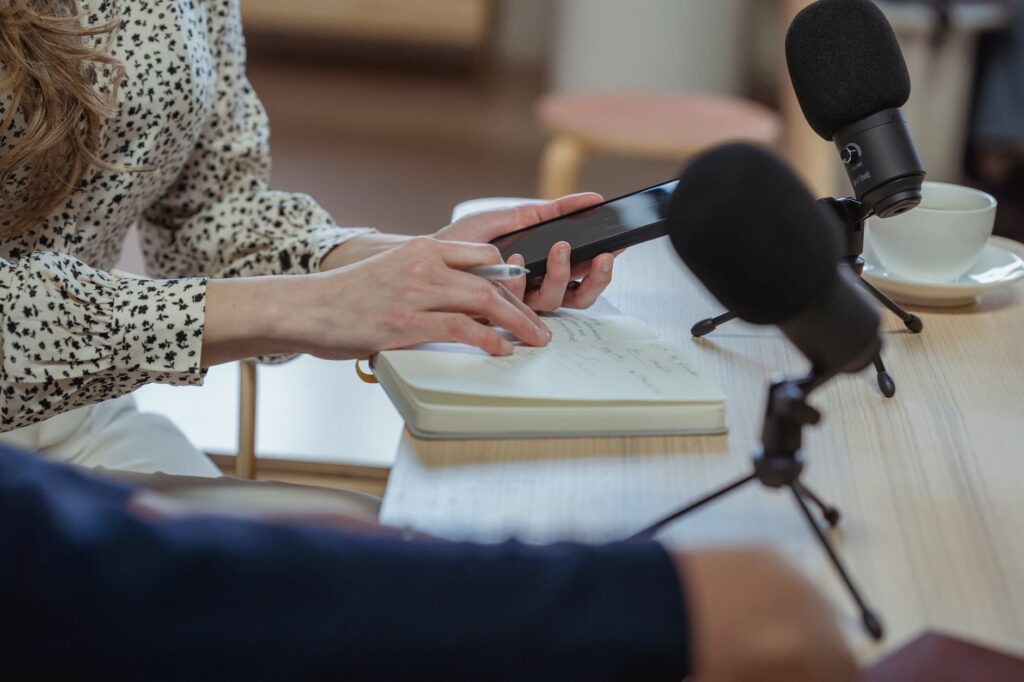
    A notebook, phone and microphone on a table capture how a conversation with a source is recorded, though the reader sees only the summary.

    Entertainment journalism sits inside the same framework as other reporting. The summary describes journalism ethics as principles of ethics and good practice for professional journalists. Reporters are expected to be as accurate as possible given the time allotted, and to seek reliable sources.

    A notepad clipped to a board and a phone held to the ear show the basic mechanics of a source interview, which readers of the finished story never see.

    The practical lesson is that anonymity is a trade. The outlet gets information it might not otherwise have, and the reader gives up the ability to judge the speaker. Anonymity is easier to accept when a story shows the effort behind it, such as multiple accounts or corroborating detail, and harder to accept when the unnamed person is the only support.

    How tabloids get celebrity stories

    A tabloid can build a story from several inputs: a named interview, a photograph, an eyewitness account or an anonymous tip. Each input has a different reliability profile. An eyewitness who is quoted by name is easier to weigh than a “source” described only by closeness to the star.

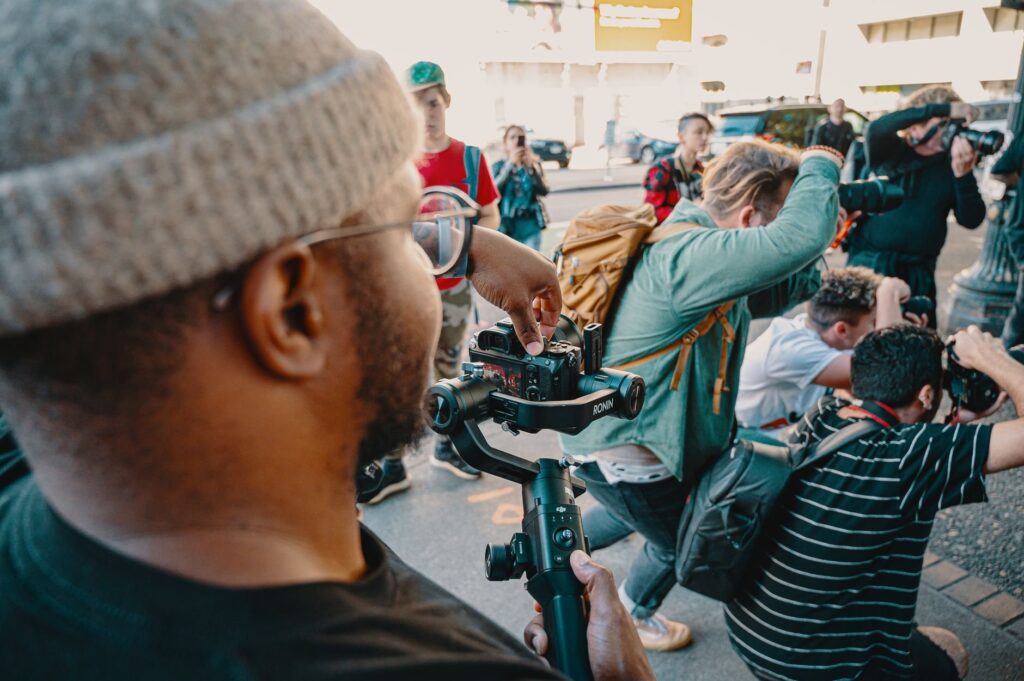
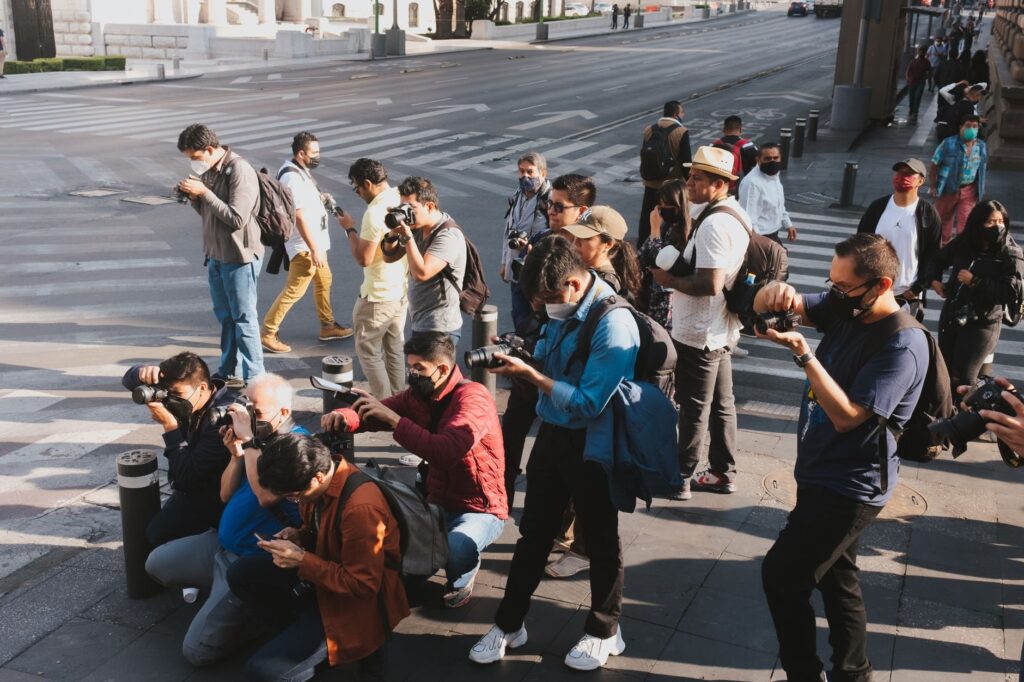
    Photographers gathering on a sidewalk illustrate a route to a story that does not depend on anyone speaking, so a photo-led item and a source-led item should be read differently.

    This matters for decoding wording. When a tabloid story is built around a picture, the picture can show what happened but not why. When it is built around an unnamed source, the words carry the whole claim. The explanation of motive or meaning that appears alongside a photograph is often where an anonymous voice enters. For the broader process, read how does celebrity gossip work.

    A line of photographers in daylight, with pedestrians passing behind, shows how public the coverage of well-known people can be compared with the private sourcing behind many written claims.

    Public figures, publicists and privacy

    Public figures have fewer privacy rights than private persons in US law, according to the ethics summary. The same text recognizes that private people have a greater right to control information about themselves than public officials do. The effect is that coverage of celebrities faces fewer legal brakes than coverage of ordinary people, so the burden of judgement shifts toward the reader.

    A publicist is a person whose job involves a star’s public image, and that is a reason to ask who the unnamed voice might be. A source could be a friend, a colleague or someone with an interest in how the story lands. Because ethics codes flag conflicts of interest as a recurring difficulty, a claim that happens to flatter or damage someone is worth a second look. The label alone will never tell you which it is.

    Judging a claim that relies on an unnamed source

    Judge an anonymous claim by what the text lets you test, not by how insider-sounding it is. These checks fit the wording itself, without needing to investigate the outlet.

    • Look for the count. Wording that points to separate, independent accounts is closer to the standard for reporting something as fact. A single voice, however labelled, is closer to the standard for reporting with attribution.
    • Check for a vantage point. If the story says what the person saw or heard directly, the claim is stronger than if it only gives their closeness to the star.
    • Notice who gains. A claim that serves an obvious interest deserves more caution, since conflicts of interest are a standing concern in ethics codes.
    • Separate fact from characterization. A named, checkable detail is stronger than an unnamed person’s description of someone’s feelings or intentions.
    • Wait for confirmation. If nothing named appears, treat the claim as unconfirmed and hold off on repeating it as fact.

    These checks suit casual readers who want a quick filter. They do not replace the question of outlet reliability, which is a separate decision covered elsewhere on the site.

    Frequently asked questions

    What is an unnamed source in entertainment news?

    An unnamed source is a person whose information appears in a story without their name attached. The outlet describes them in general terms, such as “insider” or “source close to the star”, and the reader cannot identify or contact them.

    Is an unnamed source the same as an invented one?

    No. The label itself does not show whether a person exists or spoke accurately. It only means the reader cannot check, so the wording should be weighed as a claim rather than treated as either proven or fabricated.

    Does “insider” carry more weight than “source close to the star”?

    Neither phrase names a role, a date or a vantage point, so neither is stronger evidence. One may sound more confident, but confidence in wording is not a measure of reliability.

    How should a poll or percentage in a celebrity story be read?

    The ethics standards say survey and statistical information deserve special treatment: conclusions should be communicated in precise terms, with estimated error and methodological flaws stated. A figure given without that context deserves caution.