Category: comics

  • Contact address imagineergames

    Contact address imagineergames

    The contact address imagineergames searchers want is not printed anywhere in the visible text of the site. The site is a gaming blog, and its About page invites readers to get in touch to collaborate, but no street address or email appears in what it shows.

    Does the site show a street address? No visible street address
    Does it show an email address? No visible email address
    Is there any invitation to make contact? Yes, the About page invites readers to get in touch to collaborate
    Who is named as the author? Wayne Delaney, described as a Python programmer, blogger and competitive online gamer
    Do article titles promise contact details? Yes, several, for 2026
    Is a shop or payment process visible? No

    What imagineergames is and why people search for its contact address

    Imagineergames is a blog-style gaming site with news, reviews and guides. Its sections include PC Games, Nintendo, General Gaming, PlayStation, Xbox, Minecraft and Editor’s Picks, plus an About page.

    People type several phrasings when they want to reach it. Searches such as “imagineergames contact address”, “imagineergames contact addresses”, “contact addresses imagineergames” and “contact address imagineergames” all point at the same question: how can a reader reach whoever runs the site? The same goes for the variants “imagineergames contact detail”, “contact detail imagineergames”, “imagineergames contact details”, “contact details imagineergames” and “contact emails address imagineergames”.

    The reader may be a gamer with a question, a writer who wants to contribute, or a person checking whether the site is legitimate. Each needs a different kind of contact route, and the site gives only a general invitation.

    What the imagineergames contact details actually include

    The visible contact information is thin: an invitation on the About page to get in touch and collaborate, and a named author. The site does not state who owns or operates it beyond that personal description, and that is the one gap that matters here.

    Before sending anything, a reader should know which address, if any, is genuinely tied to the site.

    The home page and About page both describe the author as Wayne Delaney. Posts also carry the names Eloni Lomla and Tolnalis Falto, so more than one byline appears. Nothing visible turns those names into a contact route.

    That means the site offers a name and a welcome, not a verified inbox or a mailing address.

    Article titles that promise an imagineergames email address

    Several article titles on the site promise contact details, email addresses and a mailing address for Imagineer Games in 2026. The visible text of those articles does not include an actual street address or email address.

    One title, “How To Contact Address Imagineergames – Official Address, Support Channels, And Tips (2026 Guid”, is cut off on the home page. Readers who search “email address imagineergames”, “email addresses imagineergames”, “emails addresses imagineergames” or “emails address imagineergames” will meet titles of this kind.

    A promise in a headline is not a published address. Titles written to match search phrases often say “official” without showing anything official. Treat the wording as a search hook until a real address appears with context around it.

    Why the imagineergames site mixes real posts with keyword-heavy ones

    The site mixes ordinary gaming coverage with titles stuffed with keywords. Real-looking posts include Nintendo guides, such as one on beating Byron in Pokémon Brilliant Diamond and Shining Pearl, and dated Minecraft updates from July 2026.

    A short written checklist helps compare any claimed contact route with what a site really shows.

    Other titles are nonsensical, such as “Designing Character Models For Octopus Browsing”. Product-like names such as “ImagineerGMSRNBH” appear with no explanation. A PlayStation post claims ImagineerGames are Sony’s in-house studios, and the pages give no source for that.

    For a reader seeking contact information, this matters. A page that looks like a contact guide may be one more keyword-driven post, so judge each page on what it shows, not on its title.

    A checklist for verifying any contact route

    Verification takes a few minutes and costs nothing. Run these checks before sending personal information.

    1. Look for the address in the page text. A real contact page prints the address or form, not only a title promising one.
    2. Match the domain. An email should end in the same domain as the site you are on. Lookalike spellings are a common trap.
    3. Check the About page. It should name a person or team, as this site does with Wayne Delaney.
    4. Be wary of “official” labels. The word proves nothing without a visible address.
    5. Send a harmless first message. Keep it short, with no passwords, payment details or ID numbers.
    6. Do not trust a promo code claim. Titles mention promo codes and discounts, yet no shop or payment process is visible.

    What to send, and what to keep back

    A first message to a small blog should be brief and contain nothing sensitive. State who you are, what you want, and how to reply.

    • Collaboration pitch: a one-line idea and a link to your own work.
    • Correction or question: the post title and the specific line you mean.
    • Never include: passwords, card numbers or identity documents.

    The site shows no account system, shop or payment process, so there is no reason a contact message should ask for those. A reply that does is a warning sign.

    Who this route suits, and who should look elsewhere

    The general invitation to collaborate suits writers and gamers who want to chat with a small blog author. It does not suit anyone who needs formal support, a billing contact or a legal address.

    The page text gives no support desk, no company registration and no mailing address. Anyone chasing a refund, an account problem or a legal notice should go to the seller or platform involved, such as the store where the game was bought.

    The same caution applies to the Sony claim. A reader looking for a studio’s real contact route should use the studio’s own verified channels, not a blog’s unsourced description of it.

    How the contact address imagineergames question fits a comics and movies reader

    A reader who follows comics and movies usually cares about trust in sources, and that habit applies here. Fan sites and aggregators often publish “how to contact” pages with no real information, and the same rule holds whether the subject is a game studio or a film distributor.

    Check the byline, check the domain and check whether the text names a real route. For this site, the honest answer is a named author, a collaboration invitation and no printed address. Use that, and write only what you would be comfortable sending to a stranger.

  • How to Write Comic Convention Panel Coverage

    How to Write Comic Convention Panel Coverage

    You have a panel in an hour and an editor waiting, so the real question is how to cover comic con panels without losing the one quote that matters.

    Quick answer: Work from the organizer’s schedule and recheck it, treat a seat as unreserved until you are in it, and mark quotes separately from paraphrase as you go. File a short sourced report fast, and add official assets once they exist. Keep review to a defined, time-bounded step with no more than two reviewers.

    This workflow covers live reporting rather than dissecting the marketing behind a reveal. For the wider context, see our pop culture commentary on comics and film.

    Start with a schedule you can trust

    The simplest fix for most missed coverage is a plan built from the organizer’s own published schedule. The KPBS event listing for the 2025 educators and librarians conference at San Diego Comic-Con states that dates and times are subject to change without notice, and tells readers to check the event organizer’s website for the most updated schedule before attending. Take that as the rule for every panel you plan around: the organizer’s site is the reference, and anything copied from elsewhere is a draft.

    1. Pull the panel listing. Copy the panel title, room, time and named presenters from the organizer’s schedule into your notes.
    2. Create a calendar entry per panel. A content calendar entry should carry a working title, a primary keyword, a publishing date, an author, an editor or reviewer, and a status.
    3. Keep a short planning horizon. The same editorial guide describes an operational view covering 7 days, updated weekly, for draft deadlines and review dates. For a convention, that view is where panel slots and filing deadlines belong.
    4. Recheck before you leave for the room. A listing is a snapshot, so confirm the time and room again on the organizer’s site.

    The educators and librarians conference shows why rechecking matters. It runs at the San Diego Central Library during Comic-Con, July 23-27, 2025, over five days, and is free. Listed sessions run 3:30-5:30 PM on July 23, 10 AM-6 PM on July 24 to 26, and 10 AM-3 PM on July 27. At the time of the listing, the Publisher Day panels were still described as being announced shortly. A lineup that arrives late changes what you should cover, so keep a placeholder slot for it and fill it in when the details land.

    A monitor, keyboard and wall calendar make a simple planning desk; the same habit of laying dates out visibly works for slotting panel times and filing deadlines.

    Credentials, seats and the room

    A press credential and a seat are separate questions. Before the event, check the organizer’s own press registration page for requirements and deadlines, and keep your confirmation somewhere you can reach it quickly. Do not assume a credential reserves a seat in any particular room unless the organizer’s press terms say so.

    The KPBS listing is a useful reminder of how seating can work. It says seating is not guaranteed and is first come, first served, and that registration is for interest only and does not guarantee a seat. For coverage, that means registering your interest is a signal, not a reservation. Plan to arrive early for any panel you cannot afford to miss. For one you can afford to miss, arrange to pick up the material from official assets afterwards.

    Choosing where to sit

    Pick your spot for the job you have to do. A seat with a clear view of the screen and the presenters’ name cards lets you attribute quotes correctly. A seat near an aisle makes it easier to leave and file, which matters if you are on a tight turnaround. If the room is full, a standing spot with a view of the screen is usually better than a seat where you cannot read who is speaking.

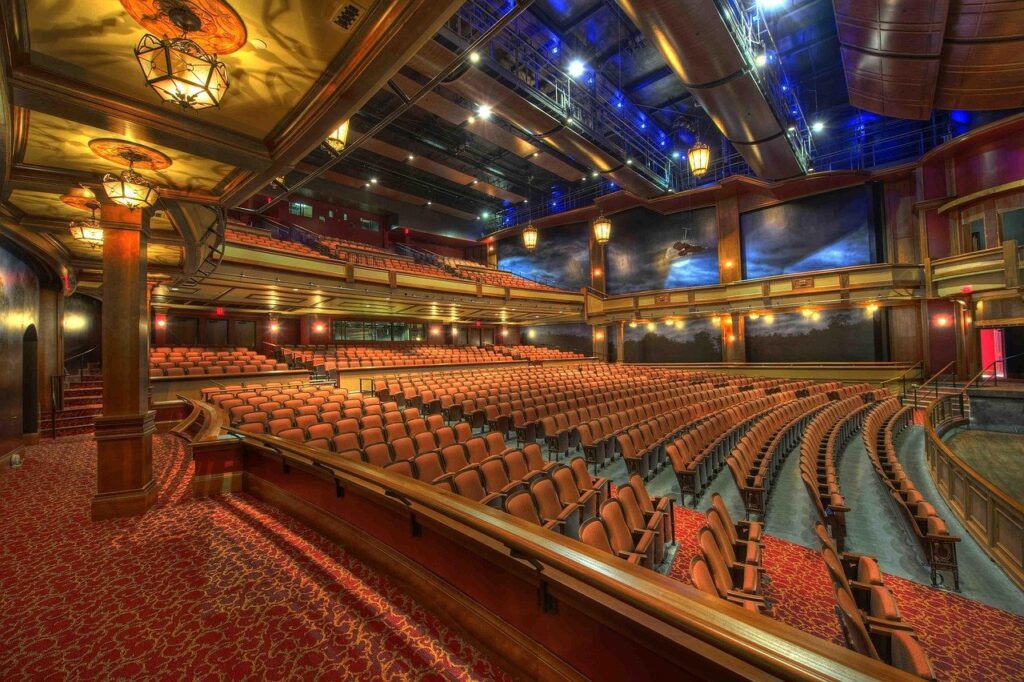
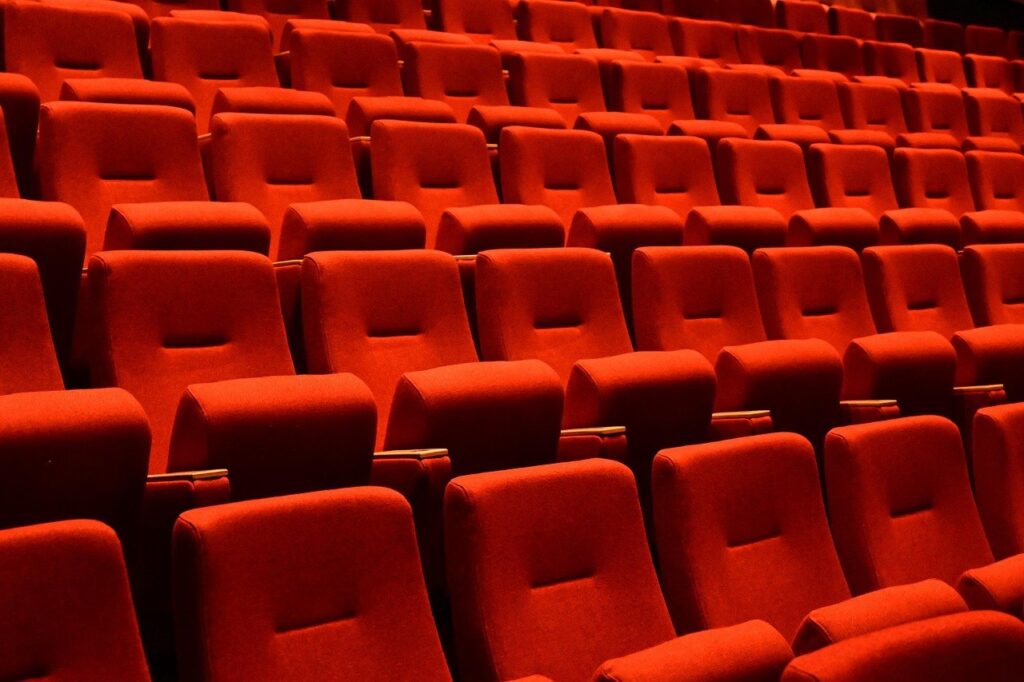
    Aisles, a curved balcony and overhead rigging show how sightlines differ between sections of a large seated hall. A theater stands in here for a convention room.

    Take notes you can file from

    Live notes are only useful if you can tell, hours later, what was said and what you inferred. Set up a consistent structure before the panel starts, and do not change it midway.

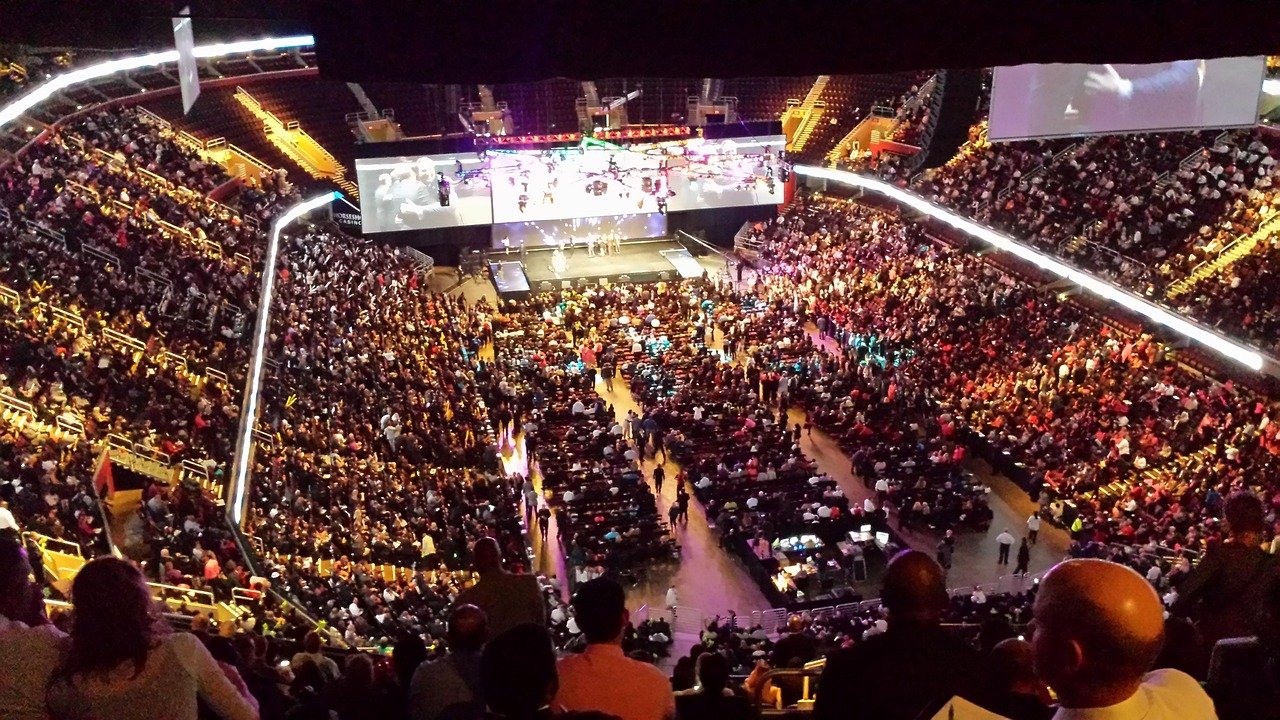
    Stage lights and haze fill the background while a blurred figure appears on a screen behind the crowd. Phone footage like this is a reminder to note what you actually saw before relying on a recording.
    1. Write a header first. Note the panel title, room, listed time and the presenters as named in the schedule.
    2. Mark direct quotes immediately. Use quotation marks only for words you captured exactly, and put the speaker’s name beside each one.
    3. Stamp announcements. Add a rough time mark beside each new reveal so you can find it again in a recording or when checking with a publicist.
    4. Separate seen from said. Keep one column or prefix for what appeared on screen and another for what a presenter claimed.
    5. Flag uncertainty on the spot. Put a clear marker beside any name spelling, title or release detail you are not sure you heard correctly.

    The point of that discipline is speed later. When you file, every flagged item is a known check rather than a surprise, and every unmarked paraphrase tells you not to put it in quotation marks. A panel discussion rewards this approach because several people talk over and around each other, and attribution errors are the most common way a quick report goes wrong.

    Warm overhead lights and rows of blurred seated attendees behind a blank easel show the kind of seminar-style room where a clear view of the front matters for attribution.

    Covering trailer reveals and announcements

    Comic con trailer reveals are the moments readers most want to hear about, and the easiest to overstate. Describe what the room saw and heard, and attribute every claim to the person or screen that made it. Do not assume the footage will be released publicly, and do not describe frames you did not clearly see.

    • Describe, then label. Write what appeared on screen in plain terms first, then add your reading of it as a separate sentence.
    • Hold detail you cannot confirm. Exact titles, dates and character names are the details most likely to be misheard. Leave them for official assets unless you can check them.
    • Check release claims against a schedule. If a presenter names a release window, compare it with a maintained list. Our guide on how to track upcoming comic book movies shows how to do that.
    • Handle teaser scenes carefully. If a reveal includes a hidden or tag scene, how to explain post credit scenes covers how to describe it without overclaiming.

    Verify quotes before filing

    Quote checking is a short, deliberate step, and it works best when you agree its limits in advance. A general editorial workflow guide warns that without a defined, time-bounded approval process, content waits in review indefinitely. The same guide recommends 48-hour response deadlines for editorial review. For a standing editorial queue that is a sensible ceiling, but same-day panel news needs a tighter deadline that you agree with your editor beforehand.

    1. Compare notes against your flags. Go through every item you marked as uncertain and resolve or cut it.
    2. Match quotes to the speaker. Confirm each quotation against your header, so a line from one presenter does not slip onto another.
    3. Check names and titles against official material. Use the organizer’s schedule and any official release for spellings and exact titles.
    4. Drop what you cannot stand behind. A paraphrase you cannot verify is better reported as a summary of the discussion, or left out.
    5. Ask the editor to confirm quickly. Send the draft with the flagged items listed, so the reviewer spends time on checks rather than hunting for them.

    Publish now or wait for official assets

    Publish quickly when your report rests on things you heard and saw and can attribute. Wait when the story depends on material only the organizer or studio can supply, such as an image, an exact title or a confirmed date. A short, clearly sourced report followed by an update is a better route than a delayed, polished one, provided the first version claims only what you can support.

    Review is where speed is usually lost. The editorial workflow guide advises defining a maximum of two reviewers per piece, noting that committees slow publishing. For panel coverage, name the editor and a backup before the convention starts, and let the status field in your calendar show who has the draft.

    Stage Checkpoint Planning use
    Before the panel Time and room rechecked on the organizer’s site Schedules can change without notice, so confirm before you travel to the room.
    At the door Seat treated as unreserved Seating is first come, first served, so decide early whether the panel is essential.
    During the panel Quotes, sightings and uncertain items marked separately Makes later checking fast and keeps paraphrase out of quotation marks.
    Before filing Quotes matched to speakers; reviewers capped at two Keeps review inside a defined, time-bounded step.
    After filing Official assets added when released Lets a fast first report be corrected or enriched without delaying it.

    These checkpoints draw on the KPBS listing for the educators and librarians conference and on the editorial workflow guide.

    Frequently asked questions

    Do I need to register to attend the library panels at Comic-Con?

    Not if you hold a suitable badge. The listing says Comic-Con badge holders with valid single same-day or four-day badges are welcome to attend and are not required to register. The conference is free, as described on the KPBS event page.

    How long should an editor’s review take?

    A standard blog workflow allots an editorial review step of about 1-2 hours, covering accuracy, clarity and voice, according to the editorial workflow guide. Live panel coverage should aim for the short end, which is why agreeing the reviewer in advance helps.

    What if the lineup is not announced when I plan my coverage?

    Keep a placeholder entry and revisit it when the organizer publishes details. The 2025 Publisher Day panels, for example, were still to be announced when the conference listing appeared.

  • How to Find Reliable Sources for Comic Movie News

    How to Find Reliable Sources for Comic Movie News

    The best sources for comic book movie news name their writers, credit their images and separate reporting from opinion. Check who wrote a story, who owns the outlet and whether the claim traces back to a named origin.

    A casting rumour appears in your feed late at night and several accounts repeat it within minutes. Before you share it or quote it, you need to know which outlet broke it and whether anyone confirmed it. This shortlist sorts source types by how far you can lean on them, then covers how to credit them. For wider context on the genre, see our pop culture commentary. If you care more about dates than rumours, start with how to track upcoming comic book movies.

    What to check before you trust a story

    A reliable comic movie story shows its working. You can usually judge that in under a minute from the page itself, without any special tools.

    Several microphones carry different TV channel logos, including one reading ‘ATR’ and one showing a ‘2+1’ logo, and a dark wall fills the background.
    • A named byline. Stories on ComicBook.com’s comics category carry bylines such as Shawn Lealos and David Harth. A named writer can be held to account and cited properly, which an unsigned post cannot.
    • Credited images. The same listings caption pictures with lines like “Image Courtesy of DC Comics” or “Image Courtesy of Marvel Comics”. Crediting the rights holder shows an outlet follows publishing conventions rather than lifting pictures at random.
    • Careful wording on unconfirmed claims. In its review of the biggest comic book movie news stories of 2020, Screen Rant says it is “generally believed” that Derrickson wanted to go further with the horror. That phrasing marks a reason as unconfirmed, and you should repeat it with the same hedge.
    • Who is allowed to publish. Some sites let members post. Learn which kind of site you are reading before you treat a post as reporting.

    Treat any story that fails all four checks as a lead to chase, not a fact to repeat. The next question is whether the outlet did the reporting itself.

    Telling original reporting from aggregation

    Original reporting comes from the outlet that obtained the information. Aggregation repackages someone else’s story, often with a new headline. The practical test is whether the page names where the information came from and links to it.

    Feed platforms make this harder, because a feed page shows many publishers in one place. NewsBreak, for example, lists Comic Book as a partner publisher with 92.6K followers (page snapshot). A follower count there measures reach on that platform. It does not tell you whether a given story was reported first by that publisher. Open the story at its publisher and look for the byline and the attribution.

    A generic stock photo of a printed page; the habit it stands for is reading past the headline to the attribution in the body text.

    Follow a rumour back through the chain. If outlet A says “according to outlet B”, go to outlet B. If that trail ends at a vague phrase such as “reports say”, you are looking at a rumour with a long echo, not a confirmed story.

    Studio announcements and official channels

    A studio’s own press room and official social accounts are the closest you get to the origin of an announcement. They suit release dates, titles and cast confirmations that the studio has chosen to make public. They are the right place to verify a claim that other outlets are relaying.

    Their limit is that studios publish what suits their marketing. A studio post can confirm that something is happening, but it will rarely explain a departure or a delay. Pair it with an outlet that reports independently when you need context.

    Generic social icons on a phone. Official studio accounts work the same way: confirm the account is the studio’s own before treating a post as primary.

    When a studio post and a news story disagree, trust the post for the announcement itself and the news story for anything the post leaves out. Quote the post directly rather than a rewrite of it.

    Trade outlets: Variety, Deadline and The Hollywood Reporter

    Readers comparing Variety, Deadline and The Hollywood Reporter are really asking how trade outlets differ in focus and style. Each outlet’s own About page and editorial policy is the authority for its ownership, founding and stated focus, so read those pages rather than relying on reputation or a forum summary.

    The more useful comparison is behavioural. Pick one announcement and see how each outlet handles it. Note which names are attributed, which details are hedged and which outlet appears to have had the story first. If the same detail appears in all three with different attribution, it is probably solid. If only one carries it and the rest say “reportedly”, wait before repeating it.

    Staged figurines, not a real press room. They stand in for reporters comparing how each outlet attributes the same announcement.

    Trades suit readers who want industry framing and attribution to named sources. They are less suited to readers who want in-depth thematic analysis of a film, which is where specialist fan outlets come in.

    Fan-focused outlets compared

    Fan outlets differ more from each other than the label suggests. The table compares two that describe themselves publicly.

    Outlet Public description Style and ownership signals Planning use
    ComicsVerse Up-to-date coverage of comic book movies and comic book television Reviews and analyzes films and trailers in depth; site footer names ComicsVerse, LLC (copyright 2018) Good for analysis and trailer reading; check the byline and date for news
    ComicBookMovie.com A user generated site and platform operating under DMCA safe harbor provisions Posts can be submitted by users who have agreed to the Terms of Service, with member handles as bylines Use as a lead or a fan opinion; confirm elsewhere before citing as news

    Details come from ComicsVerse’s comic book movies page and a ComicBookMovie.com editorial post.

    Comic Book, as described on its NewsBreak page, calls itself a go-to source for geek entertainment news covering superheroes, horror, science fiction, anime, gaming and more. That breadth is a strength for discovery. For a narrow film question, lean on the sections that name a writer and attribute their claims.

    Analysis-led sites suit readers writing trailer breakdowns, and our guide on how to write a trailer breakdown shows how to use them well. Member-written sites suit readers who want to see what fans are discussing, as long as the post is labelled as opinion and not reported fact.

    How to cite a news report

    A citation must let a reader find the exact story you used. Include the writer, headline, outlet, publication date and link, plus the date you read it. Follow the format your editor or teacher requires, such as AP or Chicago, and keep the same pattern throughout a piece.

    Screen Rant’s page shows what you need: the headline “The Biggest Comic Book Movie News Stories Of 2020”, the byline Thomas Bacon and the timestamp Dec 14, 2020, 5:36 PM EST. A generic pattern built from those elements looks like this:

    • Writer: Bacon, Thomas.
    • Headline: “The Biggest Comic Book Movie News Stories Of 2020.”
    • Outlet and date: Screen Rant, Dec 14, 2020, 5:36 PM EST.
    • Link and access: the full page URL, then the date you read it.

    Member-written posts need extra care. A ComicBookMovie.com editorial is labelled “Editorial Opinion”, with the byline ninjinturdle and the date Jul 01, 2011. Cite it as that member’s opinion piece, using the handle and the label as printed, and never as an outlet’s reporting.

    Cite the original outlet whenever you can find it, not the aggregator that repeated it. When you quote a hedged claim, keep the hedge in your sentence, so “generally believed” does not become “confirmed”. Image credits work the same way. If you reuse a picture, keep the credit line the outlet printed, such as “Image Courtesy of Marvel Comics”.

    A quick decision checklist

    1. Look for a named writer and a visible date on the page.
    2. Find out whether the site is staff-written, member-written or a feed of several publishers.
    3. Trace the claim to its origin, whether an official studio post or a named outlet.
    4. Compare how at least one trade outlet and one specialist outlet handle the same announcement.
    5. Keep hedged wording hedged when you repeat a claim.
    6. Cite the original story with writer, headline, outlet, date and link.

    Frequently asked questions

    Can I rely on a user-generated site for comic movie news?

    Use it as a lead, not as proof. ComicBookMovie.com describes itself as a user generated platform, and its posts can be submitted by members, so confirm anything newsworthy with a staffed outlet or an official studio post.

    Should I cite the aggregator or the original outlet?

    Cite the original outlet whenever the story names one. A feed page such as NewsBreak’s lists partner publishers, so open the story at its publisher and cite that page with its byline and date.

    Does “generally believed” mean a claim is false?

    No. It means the outlet is presenting an unconfirmed reason, as Screen Rant does about Derrickson. Repeat it with the same hedge and wait for a named confirmation.

  • How to Write a Casting Reaction Piece

    How to Write a Casting Reaction Piece

    Symptom in your draft First action Planning use
    The piece opens with “I love this” or “I hate this” Move the announcement’s exact wording and date to the top Readers learn what was actually announced before they meet your reaction.
    You cannot say what the announcement actually said Find the original studio or publisher statement and quote it Wording in casting material comes from the people who wrote it, so a quote is safer than a paraphrase.
    Facts and feelings share a paragraph Label every opinion sentence as opinion Readers can disagree with your take without doubting your facts.
    The take drifts toward the actor as a person Rewrite the point as a claim about fit with the character, story or production The critique stays about the decision and stays defensible.
    Prior roles are described from memory Check a public filmography and list credits as documented Your claims about the actor’s track record can be checked by anyone.
    The headline promises more than the draft delivers Write several headline versions and test each against your facts block The headline signals whether the piece is news or opinion.

    The advice in the table draws on NY Castings guidance on casting notices, reels and credits and on how casting directors judge fit.

    Learn how to write a casting news reaction article, open with verified facts: the announcement’s wording and date, and the actor’s documented credits. Then label your opinion as opinion and aim it at the casting decision, not the person.

    This guide belongs to our wider pop culture commentary. If you are still working out what an announcement means, start with how to read superhero casting news, then come back here to turn that reading into a piece.

    Check the announcement before you react

    A casting reaction is only as fair as the facts it starts from. Before drafting, confirm what was announced, who announced it and when.

    Announcement wording and date

    Copy the announcement’s wording exactly and record its date as the announcer gave it. NY Castings points out that casting notice wording is written by the casting director, which is why the details in it matter. The same habit applies to a casting announcement: the difference between a confirmed role and a report of talks changes what you are entitled to say.

    If the only source is a trade report or a social post, say so in your opening lines. A reaction built on an unconfirmed report should read as conditional from the first sentence, and you should be ready to revise it when an official statement appears.

    Actor filmography

    Pull the actor’s prior roles from public film databases and note each role, project and listed credit type as the database shows it. NY Castings describes a reel as a signal to the casting director that the actor has successfully booked work in the past, and it calls credits important. A documented credit list does the same job for a writer: it shows what the actor has done without leaning on your impression of them.

    Keep to what the listing records. Describing someone’s range or style from memory invites errors, and those errors turn a fair take into an easy target. If a credit is a cameo or a voice part, call it that rather than counting it as a lead.

    Character history

    Check the publisher’s own character index or the comics themselves before claiming a casting does or does not match a character. Note which era or version of the character the project says it is drawing on, if the announcement says. Without that, an argument about “the real character” is only a preference, and you should present it as one.

    Story and industry context

    NY Castings stresses that context covers not only the story but also the industry, including the production company behind it. Add a sentence on where the project sits and who is making it. A casting that looks odd in isolation can read differently once the project’s setting is clear, and your readers will want that framing before the verdict.

    Build a short facts block to open the piece

    The facts block is the opening section of the article, before any reaction. It should be brief and easy to scan. NY Castings makes a related point about submissions, noting that a cover note is not a bio. Keep only what the reader needs for the next step, which here is judging your opinion.

    • The announcement: who announced it, the date they gave and the role as worded.
    • The actor’s documented credits: a short selection relevant to the character, taken from a public filmography.
    • The character’s publisher history: the version or era the project points to, if stated.
    • What is unconfirmed: anything that rests on reports rather than an official statement.

    Write this block in plain declarative sentences with no adjectives that judge. If a sentence needs “surprising”, “disappointing” or “perfect”, it belongs further down, in the opinion section.

    Separate labelled opinion from fact

    Opinion works best when readers can see exactly where it starts. A draft that blends the two forces readers to guess which sentences are checkable, and they tend to distrust all of them.

    • Symptom: a sentence mixes a credit with a verdict. Split it. State the credit as a fact, then write the verdict in its own sentence with a marker such as “in my view” or a subheading that says it is opinion.
    • Symptom: “fans think” or “everyone agrees”. Replace it with your own view, or with a named, quotable reaction. Unattributed consensus cannot be checked.
    • Symptom: a prediction written as a statement. Reword it as a hope or a concern. Casting alone does not settle how a film will turn out.

    Reading the printed draft with a red pen helps. Mark each sentence as checkable or as your view, and rewrite anything you cannot place in either group.

    Write an opinion on a casting choice without attacking the actor

    Aim your argument at the decision, because the decision is what you are reacting to. NY Castings explains that casting directors look for the best fit for the role, which is not always the strongest performance, and that outcomes often reflect a combination of looks, skills and fit with the project. That gives you a fair frame: you can question whether the fit works without questioning anyone’s ability.

    • Name your criterion. Say what you are judging, such as match to the character’s published history or fit with the story the project describes, and then argue from that.
    • Credit documented work. Acknowledge the actor’s listed credits before raising doubts. It shows you have looked at the record, and it keeps the piece fair to a person who had no say in the headlines.
    • Stay on the choice. Write “this casting” or “this decision” rather than describing the actor with insults or personal remarks. If a sentence would still make sense with the actor’s name removed, it is probably aimed correctly.
    • Leave room to be wrong. A line such as “I would like to see how the project uses the role” is honest and costs nothing.

    Positive takes follow the same discipline. Praise that cites a credit and a reason is more convincing than praise that only expresses excitement, and it will hold up if the project turns out differently.

    Casting news headline examples

    Your headline sets the reader’s expectation, so it should tell them whether they are getting news or a view. These patterns use placeholders you can fill from your facts block.

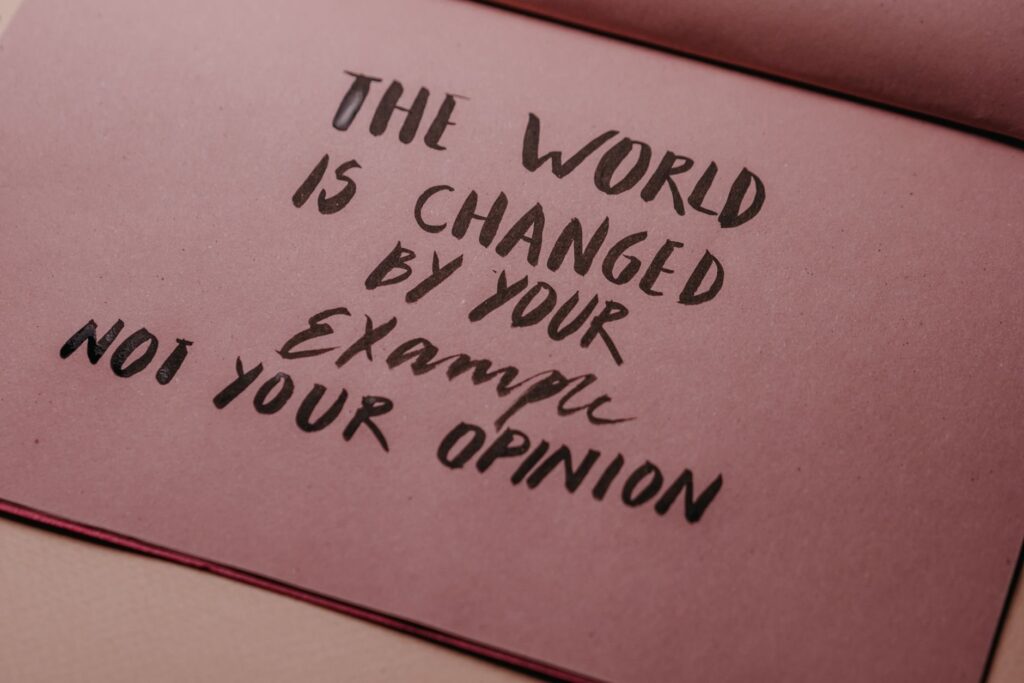
    A handwritten card in which the word “Example” is lettered in a different style and overlaps the line beneath it: a prompt to back a view with concrete evidence.
    • Plain news: “[Actor] Cast as [Character] in [Project]”. Use this only when the announcement is official and the wording matches.
    • Labelled opinion: “Opinion: What [Actor]’s Casting Could Mean for [Character]”. The label does the fairness work before the first paragraph.
    • Reaction with a stated basis: “[Actor] as [Character]: What the Documented Credits Suggest”. It promises evidence and invites a reader who knows the filmography to check it.
    • Conditional report: “[Actor] Reportedly in Talks for [Character]”. Use it only when the source itself is a report, and keep the word that signals it.

    Write several versions in a text editor and test each against the facts block. If a headline claims more than the announcement says, or implies a verdict the article does not argue, rewrite it. A headline that sounds like a ruling on the actor also works against the fair-minded tone you built in the body.

    A published headline on a laptop screen with other story thumbnails beside it: compare how much each headline promises with what the story under it can support.

    Final check before publishing

    1. Confirm the announcement wording and date match the original statement.
    2. Check every credit against a public filmography and note the credit type.
    3. Check the character claims against the publisher’s index or the comics.
    4. Mark each opinion sentence so a reader can see where fact ends.
    5. Reread every sentence that names the actor and confirm it concerns the work or the decision.
    6. Match the headline to what the article delivers.

    Hold back from forecasting how the film will perform. Once release figures exist, how to read box office results covers how to interpret them, and a later piece can revisit your original take with real evidence.

    Red marks and a margin tick on a printed page: a pen-and-paper pass is a simple way to sort checkable sentences from opinion before publishing.

    Frequently asked questions

    Question Answer
    What is the difference between casting news and a casting reaction? Casting news reports what was announced. A casting reaction adds interpretation, so it needs the news facts first and clearly labelled opinion after them.
    Does a reaction piece need the actor’s full filmography? No. A short selection of documented credits relevant to the character is enough. Point readers to a public film database for the complete listing.
    Can I say a casting is wrong for the character? You can argue that the fit does not work for you, framed as your view and supported by the character’s publisher history and the actor’s documented credits. Stating it as established fact goes beyond what the evidence shows.
    What if the casting is only a report, not an official announcement? Say so near the top, keep the language conditional, and update the piece when an official statement arrives.
  • How to Spot Comic Easter Eggs in Movies

    How to Spot Comic Easter Eggs in Movies

    Reader situation What to check Planning use
    Watching for the first time Posters, signs, graffiti and other background details Keep the film running. Jot a short note when something looks like comic art and sort it out afterwards.
    Rewatching with a pause button Cameos and anything visible but unexplained Pause, log the timestamp and write down which comic you think it matches.
    Confirming a find The comic’s publisher, title and issue number Do not call something a nod until you can name the issue it comes from.
    Writing the list A numbered, chronological order Number each entry so readers can cite it, and keep confirmed nods apart from guesses.

    The placement advice follows Blue Box’s guide to comic easter eggs, and the numbered, chronological list format follows CBR’s easter egg archive.

    Here is how to spot comic book easter eggs in movies: scan posters, signs and backgrounds, then confirm each suspect detail against a named comic issue before calling it a nod.

    The method below is grouped by what you are doing at the time, from a first watch to publishing a list. For the wider conversation about how comics and film borrow from each other, see our pop culture commentary.

    While watching for the first time

    On a first viewing the aim is to notice, not to prove. You will catch more by letting your eyes drift to the edges of the frame than by hunting for a single famous detail.

    Background signs, posters and graffiti

    Blue Box defines comic easter eggs as subtle nods, references and hidden messages that add an extra layer of enjoyment for observant readers. Its advice for the comic Saga is to pay close attention to posters, graffiti and background details, because that is where the references sit. The same habit transfers to film, where set dressing (the signs, posters, props and clutter that fill a scene) is the equivalent of a comic’s background art.

    A busy street scene rewards this more than a close-up dialogue scene, because there is more incidental text and artwork to read. If you only have attention for one thing, make it any lettering or artwork that appears in the frame without the characters acknowledging it.

    Stacked signs and shop fronts like these are the kind of background clutter worth scanning. This is a generic street used for illustration, not a film location.

    Posters that are part of the marketing, rather than the set, are a separate puzzle, and our guide on how to read a superhero movie poster treats them as a subject of their own.

    Details hidden in plain sight

    A Cracked trivia list points to the several easter eggs hidden in plain sight throughout Spider-Man: Into the Spider-Verse. The phrase is useful as a warning: a detail can be fully visible and still go unnoticed because the story is pulling your eye elsewhere.

    • Casual viewers: do not pause every scene. Note anything that looks like comic lettering or a character design you half recognise, then check it later.
    • Fans of the source comics: trust your recognition, but treat it as a lead, not a result. Memory blurs versions of a character.
    • Anyone watching with a group: agree on a shared note-taking habit so that suggestions can be tested afterwards instead of argued over mid-scene.

    While rewatching with a pause button

    A rewatch is where noticing turns into evidence. The goal is a short log you can search comics against, not a pile of vague impressions.

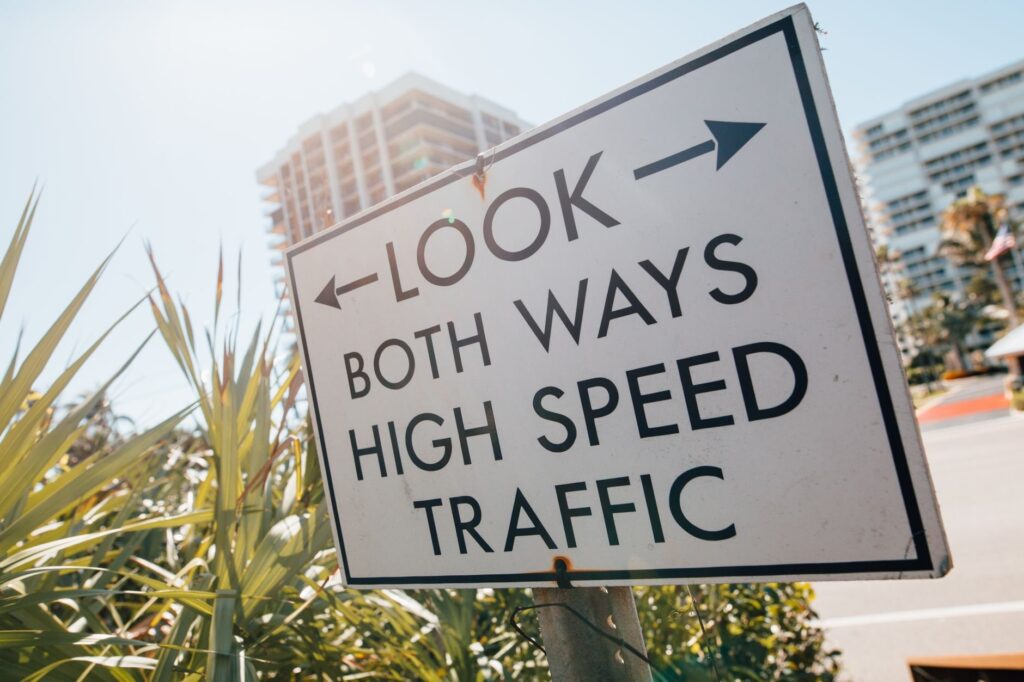
    The sign is mounted on a metal post beside a paved street, with a red-tinted curb visible at the lower right.

    Pause, log and match

    For anyone asking how to find easter eggs in Marvel movies, the routine is identical to any other studio’s: pause on the suspicious frame, record the time, and describe exactly what is on screen. Describe it plainly (a name on a sign, a costume colour, a line of text) so that you can search for it later without relying on memory.

    • Timestamp: without it you will not find the frame again, especially in a film with many similar scenes.
    • What you see: write the visible detail, not your theory about it.
    • Suspected comic: name the character or series you think it matches, and leave the issue blank until you have checked.

    Cameos and after-the-credits moments

    A cameo is a brief appearance by a person or character, and it is one of the easier things to log because it has a clear start and end. Scenes placed after the credits are a different job, since they usually set up something rather than hide something. For those, use our guide on how to explain post credit scenes and keep this log for the details inside the film itself.

    When you need to confirm a detail comes from a comic

    Recognition is not confirmation. A detail becomes a confirmed comic reference only when you can point to a specific publication, and the strongest entries do so at issue level.

    Cite the issue, not just the character

    CBR’s archive shows the standard to aim for. It cites its examples by title and issue, such as Doctor Doom being killed in JLA #1, a DC Comics title. That one line gives a reader the publisher, the series and the issue number, so anyone can pull the same comic and look.

    Copy that pattern for every film find. Record the publisher, series title and issue number, and take the publication date from the publisher’s own catalogue or a comic database rather than from memory. Where a director or writer has discussed the detail in a commentary track or interview, quote that as the confirmation. A creator’s own statement outranks a fan thread.

    A laptop for pausing and a notebook for timestamps is all the equipment the method needs.

    Easter egg versus plot reference

    An easter egg is subtle and optional: viewers who miss it lose nothing. A plot reference is something the story leans on, so a viewer who misses it is confused. If the film explains or depends on the connection, it is not hidden and does not belong on an easter egg list.

    CBR’s archive shows how loose the category can be on the comic side. It logs cameos, such as Charles Bronson appearing in Amazing Spider-Man in Installment 8, and a cross-franchise gag in which Wolverine pays the Sopranos a visit in Installment 20. Both are asides that the surrounding story does not need, which is what makes them easter eggs rather than plot.

    Confirmed nod or fan speculation

    Give every entry a status. Anything backed by an issue citation or a creator’s statement is confirmed. Anything that only looks similar is speculation, and it is more useful to say so than to leave it out.

    Checking a reference means going back to a printed page. This generic book stack stands in for the issue you would pull from a shelf.
    • Confirmed: you can name the publisher, series and issue, or you have a quote from the filmmakers.
    • Likely: the match is strong, but you have not found the exact issue yet.
    • Speculation: a resemblance only. Keep it out of the main list, or label it clearly.

    When you are writing the list

    A good easter egg list is easy to cite and easy to check. Structure does most of that work.

    Number and order the entries

    CBR runs its archive as numbered installments posted in chronological order, so the most recent one is at the very end. That is a sound model for an easter egg article format: a number gives readers a handle to quote, and a fixed order means a new find slots in at the end without reshuffling the rest.

    For a single film, the natural order is screen time, because readers can follow along with the movie. Use an ordered list when position matters and the numbers are part of how people will refer to entries. Use bullets only for loose groupings that have no sequence.

    Give every entry the same shape

    • Heading or lead-in: name the detail in a few words, such as the sign, prop or cameo.
    • Where it appears: the scene description and timestamp from your log.
    • The comic source: publisher, series and issue number, with the publication date if you have it.
    • Status: confirmed, likely or speculation, with the evidence for that label.

    A consistent shape lets readers compare entries at a glance and makes the weak ones obvious. It also stops the list from drifting into plot summary.

    Frequently asked questions

    Question Answer
    Does a cameo count as an easter egg? It can. CBR’s archive logs cameos, including a Bad Robot cameo in Installment 1, alongside other easter eggs. Treat a cameo as an easter egg when the story does not depend on it.
    Is a hidden-word gag a reliable example to cite? Yes, because it can be pinned to an exact page. CBR records a hidden-word easter egg in New X-Men #118, a Marvel comic, which shows how an issue number makes a claim checkable. See the CBR archive.
    Should the newest find go first or last? Last, if you are adding to an ongoing list. CBR posts its installments in chronological order with the most recent at the very end, so earlier numbers never change.
    Does the same method work for Marvel and DC films? Yes. The steps of noticing, logging and citing the issue do not depend on the publisher. CBR’s examples span both DC Comics and Marvel titles.
  • How to Write a Comic Book Movie Review

    How to Write a Comic Book Movie Review

    To write a comic book movie review, open with your overall view, summarise the plot briefly, judge the film by its own aims and back each claim with a craft detail. Explain source-comic context in plain words so newcomers and fans can follow.

    This process sits within our wider pop culture commentary on comics and film. It suits first-time reviewers and bloggers who want a repeatable method.

    Before you start

    • A notebook and pen. RNZ’s profile of a working critic notes that he takes a notebook and a pen to press screenings. Notes made during the film beat memory afterwards.
    • The source comic’s title and creators. Confirm which comic, run or storyline the film draws on before you name it. Guessing the source is the quickest way to lose fan readers.
    • A spoiler boundary. Decide before drafting what a reader should still discover in the cinema. This keeps the plot paragraph short and the analysis specific.
    • A target reader. Pick a default reader who has not read the comic, then add context for fans. The comic-knowledge section explains how.

    The expected outcome is a structured review with a clear verdict, every judgement tied to something visible or audible on screen, and no plot reveals beyond the opening setup.

    A green circle with a white mark is partly visible on the right edge of the printed card.

    Writing the review step by step

    Step 1: Take notes while you watch

    Watch with your attention on craft, not only story. One writing guide tells reviewers to notice how actors are placed in each shot, the setting, the camera angles and even the music. Those are five elements you can record as short phrases, and they later become your evidence.

    Superhero films give you plenty to record: how an action sequence is staged, whether the score carries emotion or covers a thin scene, and how the costume and set design sit alongside the performances. Write what you see, not what you conclude. Conclusions come later in the review.

    A dark room with projected light is the viewing condition to plan for: note-taking has to work without a bright screen of your own.

    Step 2: Identify the source comic and its creators

    Name the comic the film adapts and who made it, because adaptation choices are a review topic in themselves. Published examples show the range. One adaptation blog points out that Extremis was not just the idea behind the first Iron Man but also the basis of the Iron Man 3 plot. The same piece traces Captain America: The Winter Soldier to Ed Brubaker’s Captain America run, and the Nolan Batman films to Frank Miller’s Dark Knight comics and other Batman titles.

    Check credits and the publisher’s own catalogue entry for the exact title, writer and artist before you commit a name to print. Studio press notes are useful for this, though they are promotional, so treat them as a pointer to credits rather than as assessment.

    Comics are also built differently from films. Many long-running series, as the same blog observes, are still working in the same universe continuity as when they started. A film has to compress or reset that history, which is worth a sentence if the adaptation visibly does so. For a longer side-by-side method, see how to compare a movie to the comic book.

    Step 3: Decide how much comic knowledge to assume

    Assume little, then reward fans with precision. Audiences for superhero films split, and the adaptation blog describes critical eyes which would find problems with all of them, and fans who might find no problems. A review that serves only one camp reads as either gatekeeping or cheerleading.

    • For newcomers: explain any comic reference in a single clause the first time it appears, as if the reader has only seen the film.
    • For source fans: name the specific comic, run or creator, and say what the film kept or changed. Precision signals you have done the reading.
    • For both: make sure your verdict never depends on knowing the comic. If a scene works only for readers of the source, say so as a limitation of the film.

    Reading the source before watching is a method some readers use, but a review does not need to be a homework check. It needs to be honest about what a viewer would experience.

    Step 4: Set the review structure

    A standard movie review structure works well for comic adaptations. RNZ’s critic profile describes an introduction with general thoughts, followed by a paragraph on the plot, then analysis and a conclusion. The same programme stresses that there are no strict rules for film reviews, so you can expand the skeleton to suit the film.

    1. Introduction. A brief summary of the film’s plot, genre and overarching themes, plus your overall view. Add the source comic’s title and creators here.
    2. Plot paragraph. Setup only. The spoiler section covers where to stop.
    3. Analysis. The core of the review, where you dissect direction, acting, cinematography and narrative structure.
    4. Conclusion. Your verdict, any rating and a line on who the film suits.

    Length is a decision, not a target. The critic in the RNZ piece writes mostly for the NZ Herald, where reviews run to about 300 words. A blog can run longer, but the same four parts apply and each should earn its space.

    Sketching the outline by hand before opening a document helps you give each section a job: view, setup, craft evidence, verdict.

    Step 5: Write analysis that supports your verdict

    Start from the film’s own ambition. The RNZ critic’s approach is to ask what a film is trying to achieve, and how well it does at achieving it. The same source adds that you cannot judge a comedy for being frivolous or a horror film for being gory. Apply that to the genre: a superhero film should not be marked down for having costumes, spectacle or a heightened tone, but it can be marked down for how well it handles them.

    Then move from themes to execution. A good review, according to one guide, examines the themes or ideas the movie raises and how well or not so well it executed them. Use your notes as evidence, drawing on dialogue, visuals and thematic elements to back each judgement.

    • Pair every verdict word with a detail. “Thrilling” or “messy” means little unless you point to the staging, cut or line that earned it.
    • Weigh both sides. No movie is perfect and rarely is any all bad, so say what it does well alongside what it does not.
    • Use context sparingly. The film’s cultural, historical or social context can strengthen a point about its significance. Include it only when it changes your reading.
    • Treat adaptation choices as craft. A change from the comic is a talking point only when you can say whether it helped the film’s own story.

    Expect negative reviews to feel easier. The critic in the RNZ piece says that just calling a film wonderful and delightful can be frustrating and less interesting to read. Praise needs the same specific evidence as criticism.

    Step 6: Avoid spoilers

    Keep plot to a minimum and describe craft instead of events. One guide says a basic summation of the plot is all that is necessary, and that the details should be revealed when readers see the film, not when they read your review.

    Do a spoiler pass on your draft. Highlight every sentence that reveals a twist, a character’s fate or a late-film event, then rewrite each one as a statement about how the scene works. “The final fight is staged with long, clear takes” tells a reader about craft; naming who wins gives away the film. Be equally careful with comparisons to the comic: saying a film departs from its source can reveal where the story goes, so describe the change in general terms.

    A marker across a line of text mirrors the spoiler pass: flag each revealing sentence, then rewrite it as a comment on craft.

    Step 7: Write a verdict you can justify and decide on a rating

    Make the conclusion a direct consequence of your analysis. The runpee guide asks reviewers to be honest and balanced in their assessment, so reread your analysis and check that the final line follows from it. If you praised the performances but criticised the pacing, the verdict should say which mattered more and why.

    A rating is optional and stylistic. According to one guide, for some writers it is two thumbs up, for others a Rotten Tomatoes-style scale. If you use one, pick a scale you can explain in a sentence and keep it consistent across reviews. If your argument is strong, a rating adds little, and you can leave it out.

    Keep a verdict about quality separate from commercial performance. Whether a film earned enough is a different question, and when is a superhero movie a box office success has its own answer.

    Final checkpoints before publishing

    Checkpoint What to confirm Planning use
    Source comic named Title and creators appear in the introduction or analysis Gives fans a reason to trust the review and gives newcomers context.
    Structure Introduction, plot paragraph, analysis and conclusion are all present Expand any part only if the film demands it, as there are no strict rules.
    Own-terms judgement The film is assessed against what it is trying to achieve Stops the review penalising a superhero film for being a superhero film.
    Evidence Each strength and weakness points to dialogue, visuals or thematic detail Cut or rewrite any adjective with no supporting detail.
    Spoiler pass Plot summary stays basic and details are left for viewers Replace event reveals with comments on craft.

    These checks draw on the critic’s structure and approach described by RNZ and the review elements in the runpee guide.

    Frequently asked questions

    Can a comic book movie review be objective?

    Not entirely. The RNZ critic calls a review an inherently subjective piece of work, so it must argue its case. The runpee guide adds that you should still strive to remain objective and avoid personal biases, which in practice means supporting opinions with evidence from the film.

    How long should the review be?

    It depends on where it runs. A newspaper slot like the NZ Herald’s runs to about 300 words, while online outlets have no fixed limit. Fit the four parts to the space and cut anything that does not support the verdict.

    Is it fair to criticise another origin story?

    Judge the execution, not the starting point. Origin stories make up an incredibly large percentage of superhero movies, according to one adaptation blog, and the blog notes that starting with the origin story carries a different meaning for comics films. Ask whether this film makes the familiar setup feel fresh or rushed.

    Do I need press access to review a film?

    No. A press screening is one way to see a film early, and critics bring a notebook to take notes there. Any viewing works if you take careful notes on staging, setting, camera angles and music, and follow the structure above.

  • How to Explain Post-Credit Scenes

    How to Explain Post-Credit Scenes

    Learning how to explain post credit scenes starts with stating what happened on screen, naming what it connects to and separating what is confirmed from what is guesswork. A post-credit scene is footage that appears after the closing credits finish.

    This method belongs to our wider pop culture commentary on comics and film. It works for any teaser, from a one-line joke to a shared-universe setup.

    What counts as a post-credit scene

    A post-credit scene is, in one film blog’s wording, a snippet of footage that appears after the closing credits have rolled. A mid-credit scene arrives while the names are still scrolling, and a post-credit scene waits until they have finished. Say which one you mean, because “stay for the middle” and “stay until the very end” send readers to different moments.

    The same explainer treats these scenes as deliberately built segments rather than leftovers. Planned footage is the key distinction when you write about one: you are describing a choice the filmmakers made, not an accident of the edit.

    Where the scene sits in the end credits

    Credit order is largely convention, which is why you should describe a scene’s position in your own words. An entertainment-law write-up notes that there are no hard and fast rules or guild requirements for the End Credits. It adds that the end credits crawl typically begins where the individual title cards leave off, with the people who have a creative voice in the film credited first.

    A film-school handbook makes the same point from the teaching side: standardized sequencing helps contributors get recognised appropriately. A standard order is a habit that helps crew, not a rule that tells viewers when a bonus scene will arrive. For readers, that means “during the credits” or “after the credits finish” is information worth stating plainly.

    A phone ticket marks the start of a visit that ends with the credits, which is the point where readers need to know whether anything more is coming.

    Named scenes and the dates that anchor them

    The practice has no single tidy origin, but a handful of named films give you reliable reference points. Early examples were jokes, sounds and text rather than setups for a sequel, so avoid describing every old stinger as a teaser.

    Film Year What the credits-end device does Planning use
    The Invisible Man 1933 Director James Whale used an early post-credit device Cite it as an early reference point for where the habit comes from.
    From Russia With Love 1963 Bond films began announcing “James Bond will return in…” before naming the next film Text shown before the credits, so not a true post-credit scene. Keep it out of a list of stingers.
    The Muppet Movie 1979 The Muppets addressed the audience after the film ended, breaking the fourth wall A comic scene. Explain it as a joke, not a setup.
    Star Wars Episode One: The Phantom Menace 1999 Darth Vader’s breathing is heard following the credits A sound cue. Describe what was heard, not what was seen.

    The dates and descriptions come from a short history of the post-credits scene and a film-blog explainer on the form.

    The history article says post-credits scenes really started to capture public attention with 1979’s The Muppet Movie. That timing helps you place a scene: a gag from that era and a modern franchise connector do different jobs, and readers should not be told they are the same thing.

    Why studios include these scenes

    Studios use them to extend a story or to point at the next one. The Saturation explainer describes post-credit scenes as segments designed to either extend the narrative or serve as a gateway to upcoming stories. The Muppet scenes show a third purpose, since they were used for comic effect.

    Marvel Studios turned the gateway purpose into a signature. The history article points to Iron Man and Iron Man 2 as prime recent examples, with scenes that hint at the (then) upcoming film The Avengers. That is what a sequel teaser is: a scene whose main job is to point at a later film. The same explainer credits Kevin Feige and his team with using these scenes to weave an interconnected narrative web, which is the milestone behind the Marvel Cinematic Universe approach to a cinematic universe.

    When you explain a scene, name its purpose before its content. A joke needs only a description. A connector needs an account of what it links to, which is the subject of the next section.

    Rows of seated people with papers on their laps. A reader who left before the final scene has only your description to work from, so say what happened clearly.

    Explaining a teaser scene step by step

    A reliable structure follows the order a reader needs: what happened, what it connects to, what is confirmed. Work through these stages in turn.

    1. Describe the scene plainly. Say who appears, what is seen or heard and where the scene sits in the credits.
    2. Name the connection. State whether it points to a sequel, to a shared universe or to nothing beyond a joke.
    3. Mark what is confirmed. Keep the scene’s content separate from your reading of it, and say which parts a studio or filmmaker has stated.
    4. Add the film context. Give the release years of the films involved so readers can see the order for themselves.
    5. Stop short of the ending. Explain the scene’s link, not the film’s resolution.

    Justice League shows why the confirmed/suggested split matters. Den of Geek notes the film has not one, but two post-credits scenes. One is just for fun, while the other has larger implications for the DCEU down the line. That second scene offers the suggestion of a supervillain team-up. A careful explainer calls it a suggestion, because a teaser points forward without promising any particular film.

    Keeping the explanation spoiler-aware

    Put the spoiler boundary at the top and keep to it. The stinger-tracking site After Credits opens its pages with the line WARNING: This site may contain spoilers! Copy the habit: warn first, then describe.

    Many readers have not seen the scene at all, and some left before the credits ended. Your description is all they have, so lead with the connection and keep plot detail to what the scene itself shows. A line such as “a final scene suggests a villain alliance” tells them what it sets up without revealing how the film ends.

    Teaser scenes are one kind of hidden connection, and in-film references are another. For those, see our guide on how to spot comic book easter eggs in movies.

    Checking what a scene refers to

    Verify each connection before you state it. Start with the film’s own release order, then look for studio press materials and director or producer interviews that address the scene directly. A fan reading is a lead to check, not a finding to print.

    Borrow the labelling idea from stinger trackers. After Credits colour-codes its entries and marks scenes where unknown status are orange with a question mark. In your own notes, give every claim one of three states: seen on screen, stated by the studio or filmmakers, or inferred. Only the first two belong in the article as fact.

    A flat notebook and pen beside a film camera suit the habit of logging each scene’s claim and its confirmation status as you go.

    Announcements made on stage are another place to check. Our guide on how to cover comic con panels covers reporting them accurately.

    Frequently asked questions

    Are bloopers the same as post-credit scenes?

    No. The Saturation explainer describes bloopers as the serendipitous moments of creation, meaning unplanned production moments. A post-credit scene is planned footage placed after the credits.

    Does a series have to repeat the device in every film?

    No. Pirates of the Caribbean is famous for having a post-credits scene in every title in the series, which is notable precisely because it is unusual.

    Did the DCEU use post-credit scenes before Justice League?

    Den of Geek says the DCEU had deliberately avoided post-credits scenes since the dark days of Green Lantern. Justice League broke that pattern with two.

  • How to Write About Comic Book Movie Rumors

    How to Write About Comic Book Movie Rumors

    You’ve seen a studio rumor trending and want to post fast. Here is how to write about movie rumors responsibly: name where the claim came from, say what is unconfirmed, and stay ready to correct the piece.

    This workflow sits within our broader pop culture commentary coverage. It is about sourcing and labelling, not ranking rumors or reacting to them. The aim is for a reader to see how much is actually known.

    Separating a rumor from a confirmed report

    A confirmed report rests on an original source you can identify and a statement that source stands behind. A rumor is anything short of that. The SPJ Code of Ethics (revised in 2014) tells journalists to verify information before releasing it and to use original sources whenever possible. In entertainment journalism that principle becomes three quick questions:

    • Who said it first? If you cannot name the origin, you are repeating a claim, not reporting it.
    • Is the source on the record? A named person or an official studio channel can be checked. An unnamed account can only be described.
    • Has anyone with a stake responded? A claim nobody connected to the project has addressed remains unconfirmed, however widely it spreads.

    Trace the claim to where it began

    Most movie rumors pass through several reposts before they reach you, and each hop strips away detail about the original basis. Work backwards until you reach the first public appearance, then record what that first source actually said rather than what later headlines claimed. A simple source log is enough: the claim, the original source, how you reached it, and what has and has not been confirmed.

    An illustrative film-camera image: production-level details such as casting and shooting plans are the kind of information that tends to leak first.

    Press releases and official channels

    A press release is a news story written by a public relations professional and sent to targeted members of the media. Its job, as one marketing guide puts it, is to give media outlets pre-packaged, factual content for building news stories. So a studio release confirms that the studio said something, in the studio’s own framing. The SPJ code asks journalists to identify content provided by outside sources, whether paid or not, so attribute the announcement to the studio rather than presenting it as your own finding.

    Official artwork and social posts are studio-supplied material too, and our guide on how to read a superhero movie poster shows how to read such marketing closely without over-reading it.

    Judging how reliable a movie scoop is

    Reliability depends on how the source is identified and how directly it knows the information. The SPJ code says the public is entitled to as much information as possible to judge the reliability and motivations of sources. Use the table to decide what a claim can honestly be called.

    Source situation What it tells you Planning use
    Studio press release or official account Confirms the studio made the statement, framed as the studio wants it. Attribute by name: “the studio announced”. Do not add details the release does not contain.
    Named person on the record The claim can be checked and the speaker can be held to it. Quote or paraphrase with the name and role.
    Anonymous source with a stated reason for anonymity Weaker than on-the-record, but readers can weigh it. Describe the source’s position and explain why anonymity was granted.
    Repost or aggregator citing another outlet Second-hand; the original basis may have been lost. Go to the original report and credit it, or hold the story.
    Unnamed claim with no explanation or evident motive Nothing to judge the source by. Treat it as a rumor. Never present it as a report.

    The table draws on the SPJ Code of Ethics for source identification and on a press release guide for the role of releases as pre-packaged material.

    Anonymous sources in entertainment scoops

    The SPJ code says to reserve anonymity for sources who may face danger, retribution or other harm and who have information that cannot be obtained elsewhere. It also says to consider a source’s motives before promising anonymity and to explain why anonymity was granted. Apply that test honestly. If the same information could be obtained on the record, an unnamed source is a weaker foundation, and your piece should say so rather than lending it extra weight.

    Trade outlets as comparison points

    Before you publish, check whether established trade publications such as Variety, Deadline or The Hollywood Reporter have covered the claim, and read how they attribute it. Their wording shows how much they are willing to stand behind. A claim that appears only on an unnamed account is a different thing from one reported with described sourcing, and your own phrasing should reflect that difference.

    A general stack of print news, used here as a stand-in for the established outlets whose attribution wording you compare against.

    Labelling an unconfirmed claim

    The label belongs in the headline, not just the body, because many readers never get past the headline. The SPJ code asks for special care not to misrepresent or oversimplify in promoting, previewing or summarizing a story. A headline that states a rumor as fact breaks that rule however careful the article beneath it is.

    In the headline

    Put the status word next to the claim: “reportedly”, “rumored” or “unconfirmed”. Attribute to the source where space allows, so “Studio says” and “Report claims” do different jobs. Avoid a headline that sounds settled while the body hedges.

    Notes kept by hand beside a phone: the origin of each claim gets written down before drafting begins.

    In the body

    Open with a status paragraph before any speculation. It should answer four things: who made the claim, how directly they know it, what the studio or other subjects have said, and what remains unconfirmed. A consistent ladder helps readers compare your posts:

    • Confirmed: an official source, on the record, has said it.
    • Reported: a named or described outlet or source says it, and the studio has not responded.
    • Rumored: the claim circulates without an identifiable origin.
    • Speculation: your own or others’ inference from known facts.

    Keep your opinion apart from the reporting. The SPJ code is blunt about it: label advocacy and commentary. If you want to say what a casting rumor would mean for a franchise, put that in a clearly marked section after the status paragraph. Then set an editor’s note or status line near the top of the article, where readers will see it before the details.

    When to wait for official confirmation

    Wait when you cannot describe where a claim came from. The SPJ code states that neither speed nor format excuses inaccuracy, which applies equally to a quick social post and a full article. Being second to publish costs little. Being first with something wrong costs credibility.

    Embargoes are a clear case for holding back. An embargoed press release should state its embargo date clearly, and while there is no for-sure guarantee that every journalist will observe it, but most should, you should. Publishing early on someone else’s embargoed material, then calling it a rumor, muddles what you actually know.

    Wait longer when a claim criticises or accuses someone. The SPJ code asks journalists to diligently seek subjects of news coverage so they can respond to criticism or allegations of wrongdoing. A rumor about conflict on a production is not ready until you have tried to reach the people it names, or at least the studio.

    Rumors about how an adaptation treats its comic deserve similar patience. Judgements about fidelity are only as good as the material behind them, so hold the analysis until there is something official to look at. Our guide on how to compare a movie to the comic book covers that comparison once the film or footage is available.

    Updating and correcting a rumor piece

    A rumor post is a draft of the story, not the end of it. The SPJ code tells journalists to gather, update and correct information throughout the life of a news story, and to provide updated and more complete information as appropriate. When new facts arrive, work through these steps:

    1. Decide what changed. The claim may now be confirmed, denied or still unresolved, and each needs different wording.
    2. Update the status line first. Move the new status to the top and change the headline if it no longer matches the facts.
    3. Add the new information. Say what the studio or source stated and where, instead of silently rewriting the old text.
    4. Correct any mistake openly. The code says to acknowledge mistakes and correct them promptly and prominently, and to explain corrections and clarifications carefully and clearly.

    A confirmed rumor still needs the label history: say that earlier coverage was unconfirmed and what changed. A denied rumor needs the denial where the original claim sits, not buried in a separate post that readers of the first one will never find.

    A generic post editor: the title field and the space above the first paragraph are where a status label and editor’s note can sit.

    Frequently asked questions

    Question Answer
    Is it acceptable to pay or trade favors for a movie scoop? No. The SPJ code advises being wary of sources offering information for favors or money, and says not to pay for access to news.
    Should I ask the studio for comment before posting a rumor? Where the claim touches the studio or named people, yes. The SPJ code asks journalists to diligently seek subjects of coverage so they can respond, and a response (or the lack of one) belongs in your status paragraph.
    How long is a typical press release, and why does it matter? One marketing guide recommends keeping releases between 300 and 600 words and no longer than one A4 page. That short, packaged format is a summary of what the sender wants known, so treat it as a starting point for your reporting.
  • How to Read a Comic Book Movie Poster

    How to Read a Comic Book Movie Poster

    Standing at a cinema display, you can learn how to read a superhero movie poster by working outward from the biggest text to the smallest credits.

    Quick answer: read the title and central image for what the film is selling, the color for mood, the placement of figures for importance, and the tagline and credits for who stands behind it. Stop when the poster’s choices make sense. Not every detail is a code.

    This walkthrough is part of our pop culture commentary on comics and film. It treats a film poster as a designed object you can decode with your eyes alone, with no trailers or marketing data needed. If you want to go further into hidden references, our guide on how to spot comic book easter eggs in movies picks up where this one stops.

    Start with the title and the central image

    The simplest read takes seconds and needs no design vocabulary. A film poster hierarchy usually opens with the title, which one analysis of film poster codes and conventions describes as the biggest and boldest text on the poster. That size is a deliberate signal of what the viewer should register first.

    The side posters carry Chinese-language titles; the center poster’s billing text is too small to read at this size.
    1. Find the largest text. This is almost always the title. Note its typeface: heavy, angular or ornate lettering tells you about tone before you read a single word.
    2. Find the dominant image. In the same analysis, the shark on the Jaws poster seizes a central position and is enormous within the frame. A central, oversized figure or emblem is the poster’s main promise.
    3. Look for genre shorthand. The same analysis reads a Batman symbol on the side of a skyscraper as a signal of violent, action-driven imagery. On a superhero poster, an emblem, a silhouette or a costume detail does the work that a single recognisable object does elsewhere.

    If you stop here, you already know what the film wants to be called, what it wants to show, and roughly what genre promise it makes. That is enough for a quick glance at a display case. Go further when a poster seems to be saying more than its title and hero image.

    The cover text reads ‘The Invincible Iron Man’ and ‘My friend, my foe, the fearsome Freak!’

    Read the color palette and tone

    Color is the next rung because it shapes mood across the whole surface. The Jaws analysis notes that the red lettering carries connotations of danger and blood, foreboding the narrative. That is a useful model: ask whether a strong color sits on the lettering, the figure or the entire background, because each placement points the eye differently.

    A classroom design tutorial on building a movie poster shows how deliberate this can be. It describes laying a solid color over the artwork at lowered opacity to give the poster a warm or cool tone. That means the tint over a finished poster is often a choice, not an accident of the photography or illustration.

    Use this as a method rather than a dictionary:

    • Judge temperature first. Decide whether the overall image feels warm or cool, then ask what mood that pushes toward.
    • Look for the accent. Find the one color that stands out against the rest, often on the title or an emblem, and connect it to the film’s promise.
    • Avoid fixed meanings. Red pointing to danger in one analysed poster does not make red a universal code. Treat any color reading as a hypothesis that the rest of the poster should support.

    When color and typography agree, such as a threatening hue on heavy lettering, the reading is strong. When they pull apart, the poster may be hiding a twist in tone, or the design may simply be crowded.

    Check how characters are arranged

    Arrangement tells you which character the poster wants you to remember. Centrality and scale are the clearest evidence: the Jaws analysis highlights how a figure in the middle, drawn very large, commands the layout. On an ensemble superhero poster, the figure nearest the centre and largest in the frame is the one the design elevates.

    Treat that as what the poster promotes, not as a statement about screen time. Ask these questions in order:

    1. Which figure is largest?
    2. Which sits closest to the middle line?
    3. Which faces the viewer, and which looks away or recedes?

    Balance matters too. The poster-making tutorial asks students to use an odd number of photos, at least seven, because the imbalance causes movement in the finished poster. That is an instruction for a student exercise, not a rule studios follow, but it explains why a lopsided crowd of heroes can feel energetic while a perfectly symmetrical layout feels formal or static.

    Layout can also be shared across a set. The same tutorial points to multiple posters with the same artistic style and only a couple of differences. When you see character posters that repeat one composition and swap the featured hero, the shared template is the campaign’s identity and the swapped figure is the message of each version.

    Read the tagline and billing block

    The lower and upper edges of a poster carry the most literal information. In the analysed Jaws poster, the gag line is centred at the very top on purpose, to draw viewers in. On any superhero poster, check where the tagline sits, how large it is, and whether it speaks about the hero, the threat or the stakes.

    The bottom is where the credit block lives. The same analysis points out that three main actors’ names appear in bold white font that stands out against the black background. Prominence in the block is therefore a visible design decision, and the contrast is as telling as the order.

    Poster element What to look for Planning use
    Title The biggest and boldest text on the poster Confirm the film’s name and read the typeface for tone.
    Tagline In the analysed example, centred at the top of the poster Treat it as the hook; note whether it addresses hero, threat or stakes.
    Actor names Three lead names in bold white against a black background in the analysed example Check how much contrast and space the names get, not just their order.
    Producer, studio logo and studio name Listed among the standard items on a poster Identify the companies behind the film.
    Web address and rating Also listed among standard items Use them to find official material and check the audience classification.

    The elements above come from the poster-design assignment instructions, which list title, actor names, producer, studio logo, studio name, web address and rating, and from the film poster conventions analysis.

    Use the table as a checklist. A poster that includes most of these items is a fuller, more official-looking piece of print. A poster that strips them back leans on image and mood instead, which leads to the next question.

    Spot references to comic cover art

    Superhero posters often borrow from the comics they adapt, and the borrowing is a message to a specific audience. The conventions analysis notes that referencing a No.1 trade book emphasises the fan base from the initial book. In other words, a nod to the source publication is aimed at readers who already know it.

    To read those nods, compare the poster against the character’s cover art, if you can find it:

    • Pose and framing. Does the hero stand, leap or loom the way the cover figure does?
    • Emblem treatment. Is the symbol drawn large and flat like a cover logo, or integrated into the scene as in the Batman skyscraper example?
    • Wording that points at the books. Any line referring to the original publication is a direct appeal to existing fans.

    Keep the claim modest. A similar pose can be coincidence, so a reference is only worth reporting when two or three of these cues line up with a specific cover. Hunting for deeper hidden details is a separate skill, covered in our easter egg guide linked earlier.

    Tell a teaser poster from a final poster

    No single mark separates a teaser poster from a final one, so compare several signals instead of trusting one. Start with how much of the credit information appears. Measure the poster against the standard list of items above: title, actor names, producer, studio logo, studio name, web address and rating. A teaser tends to rely on image and tagline, so if you see an image and a hook with little else, treat it as a possible early piece and look for a fuller version.

    Next, look at the tagline. The poster analysis shows a hook placed at the top to pull viewers in, which is the kind of job an early poster does when there is little else to show. Finally, look for a family resemblance. When several posters share one artistic style and differ only in the featured character, as the poster tutorial describes, you are probably looking at a set. Compare each version to see which carries the fullest credit block.

    A side-by-side gallery makes this much easier. A collection of superhero movie posters presented as a gallery lets you compare title size, central figures and color across many films in one sitting.

    Checkpoints and when to stop

    Work down the ladder only as far as your purpose requires, and stop when two or more cues give the same answer.

    1. Glance reading. Title and central image agree on genre. Stop here for casual viewing.
    2. Mood reading. Color and lettering point the same way. Stop here if you only need the tone.
    3. Hierarchy reading. Size and position of the figures show who the poster promotes. Stop here for comparing ensemble casts.
    4. Credit reading. Tagline and billing block identify the people and companies. Continue only if you need to cite them.
    5. Source reading. Compare against comic covers. Stop if fewer than two cues match.

    One caution applies at the top of the ladder. An image with no clear origin, such as a cropped screenshot of a supposed poster, is not a reliable basis for conclusions. Before repeating claims drawn from it, read our advice on how to write about movie rumors responsibly.

    Frequently asked questions

    What is the quickest check when I have only a few seconds?

    Find the largest text and the largest figure. Together they give you the film’s name and the poster’s main promise.

    Do poster colors mean the same thing every time?

    No. Red lettering reads as danger and blood in the Jaws analysis, but that is one poster’s reading. Test any color against the typography and imagery around it.

    Is the tagline always at the top?

    Not necessarily. The analysed poster centres its gag line at the highest point, but placement varies, so check where each poster puts its hook.

    Do design assignments describe how studios really build posters?

    They describe common parts and techniques, such as the standard list of credit items and warm or cool tinting. Use them as a vocabulary for reading, not as a studio rulebook.

  • What Counts as a Box Office Success for Superhero Films

    What Counts as a Box Office Success for Superhero Films

    When is a superhero movie a box office success? When worldwide ticket sales comfortably clear the production budget plus marketing. The 2x budget rule is a starting screen, not a verdict, and home viewing sits outside the box office total.

    This guide belongs to our pop culture commentary on comics and film. It sets out the definitions that sit behind any claim that a comic adaptation won or lost at the box office.

    Cost comes before gross

    A superhero film carries two layers of cost: the production budget and the marketing spend on top of it. The Hollywood Reporter described Black Panther as a film that cost $200 million to make before marketing. That figure is a production budget. Marketing is a separate cost that the figure leaves out.

    A stack of plastic disc cases, viewed from the side.

    Any success test built only on the production budget is therefore generous to the film. It treats the film as if the money spent on selling it did not exist. A fair verdict puts the gross against the whole outlay, which is why the budget entity in this discussion always needs a note on what it includes.

    The gross side is simpler. Reports such as the one above count ticket sales, worldwide or within one territory. Ticket sales are revenue at the box office, not profit, so a large number alone never settles the question.

    Testing the 2x budget rule

    The budget rule says a film’s gross should reach at least twice its production budget before it is called a success. It works as a quick screen, and it breaks down as a verdict for two reasons. It depends on a reliable budget figure, and it ignores marketing unless the budget already includes it.

    Black Panther shows how the rule behaves at the top end. The Hollywood Reporter put its worldwide total at $1.237 billion as of late March 2018, set against the $200 million production budget. That is far beyond twice the budget, and it would still clear the bar if a large marketing spend were added. Here the rule passes, but it tells you little, because a result that size would pass almost any multiple.

    Illustrative only: a calculator and a printed sheet are all the budget screen needs, one gross divided against one budget.

    The rule earns its keep with mid-sized results, where a gross sits close to the line. In that zone, check whether the reported budget excludes marketing, as the Black Panther figure does. If it does, a film that only just clears the multiple on the headline budget may still fall short of its full cost. Treat the multiple as a floor for further questions rather than a finish line.

    Reported grosses side by side

    Setting several comic films next to one another shows where a gross sits in the genre. The table below ranges from the top of the worldwide list to a modest 2008 release.

    Film Worldwide gross Context Planning use
    Avengers $1.518 billion Ranked above Black Panther among superhero titles worldwide A ceiling for the genre, not a target for any other film
    Avengers: Age of Ultron $1.405 billion Also ranked above Black Panther Shows that a sequel can sit near the top of the list
    Black Panther $1.237 billion (late March 2018) $200 million production budget before marketing; No. 3 superhero title worldwide Clears the 2x screen with room to spare
    Iron Man 3 $1.214 billion Surpassed by Black Panther A close comparison point just below it
    Superhero Movie (2008) $71,538,062 Opened with $9,510,297 from 2,960 theaters A verdict needs its budget set beside this total

    The first four rows come from the Hollywood Reporter’s report on Black Panther’s run, and the last row comes from the Box Office Mojo release page for Superhero Movie.

    The home market tells a related story. Black Panther finished a Sunday with $630.9 million domestically, which put it at No. 5 all-time in the domestic chart, and CBR noted that it made the film domestically the most successful comic book adaptation at that point. A film can lead the home market and still rank No. 3 worldwide, so name the territory whenever you quote a total.

    What a flop means in box office terms

    A box office flop is a film whose ticket sales fall short of its full cost, production budget plus marketing, and of the expectations set for it. The definition needs both halves. A film with a modest gross is not automatically a flop, and a large gross can still disappoint if the budget was larger.
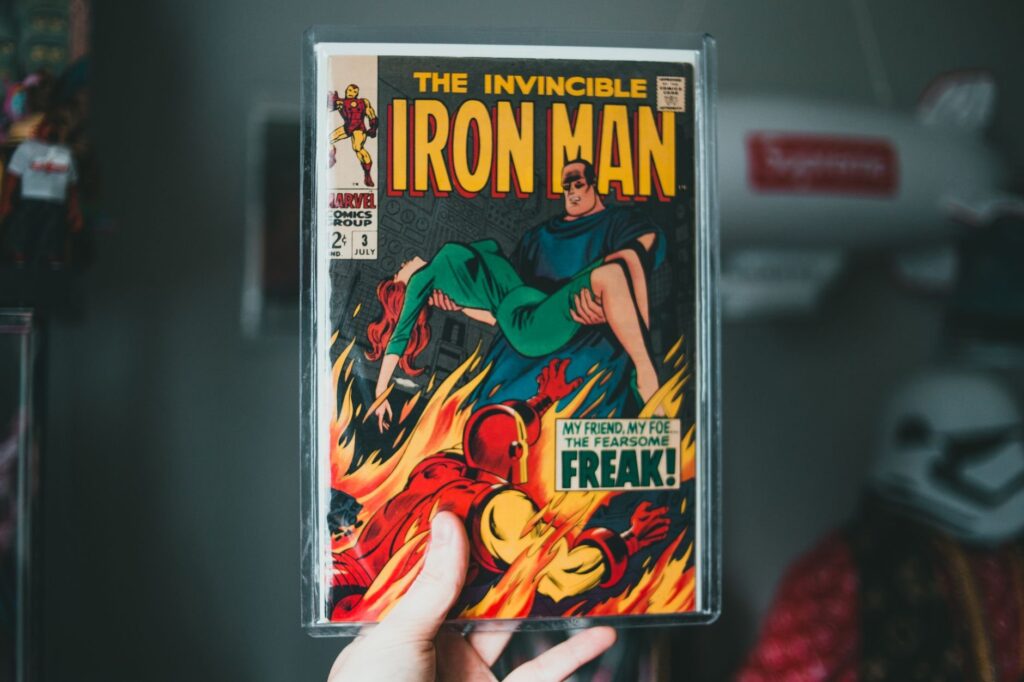
    Superhero Movie (2008) shows why the gross alone cannot classify a film. Box Office Mojo records an opening of $9,510,297 from 2,960 theaters and a worldwide finish of $71,538,062. Those figures describe the run. Whether it counts as a flop depends on a budget figure set against them, along with marketing costs.

    Audience mood also moves the line. Statista tracks a superhero-fatigue survey share that went from 17 percent in 2018 to 23 percent at the end of 2021. When appetite is cooling, a studio’s expectations and the benchmark for a disappointing run shift with it.

    Adjusting for era and inflation

    Comparing grosses from different decades is unfair without adjustment, and the adjustment has limits. CBR notes that the adjusted totals it uses come from Box Office Mojo, which multiplies the number of tickets sold by the 2018 average ticket price. CBR also observes that financial records are hard to compare over the decades, and the adjusted totals change the rankings of comic adaptations. On that list Iron Man 2 appears at $367,725,000 adjusted.

    The market itself has also moved. Statista reports that superhero box office revenue in the US and Canada was about $3.2 billion in 2019 and recovered to about $1.3 billion in 2023. A gross that looks small beside a 2019 hit may be perfectly healthy for the later market. Judge a film against its own budget and its own year first, then against the all-time lists.

    Streaming and home video revenue

    Home entertainment revenue counts toward a film’s eventual profit, but it does not count toward its box office. The box office total is ticket sales, so disc, rental and streaming income belongs in a separate column. When you call a film a success on box office grounds, you are talking about theaters only.

    Illustrative only: viewing on a phone with earbuds shows how a film reaches audiences long after its theatrical run.

    Streaming also changes the theatrical side. A Yahoo analysis of why superhero movies are struggling says many viewers would now rather wait for 1.5 to 3 months until it comes out on streaming, and adds that renting or streaming a film also allows people to save money. A short wait before home viewing can draw some audience away from theaters. Later revenue may soften a weak run, but it is not a reason to relabel one.

    Illustrative only: tiered rows of empty seats stand in for the thin attendance behind a disappointing run.

    Putting the verdict into writing

    A defensible success claim shows its working in a fixed order:

    1. State the production budget and say whether marketing is included.
    2. Give the worldwide gross with the date it was reported, since totals keep climbing.
    3. Add the domestic figure only when the home market is part of the story.
    4. Place the year in context, using adjusted totals or the size of that year’s market.
    5. Treat home viewing as later revenue, kept apart from the box office total.

    The weekly version of this habit is covered in how to write a box office report. The critical side, where gross is only one input, is covered in how to write a comic book movie review.

    Frequently asked questions

    Does domestic or worldwide gross matter more for judging success?

    Worldwide gross is the fairer comparison against a budget that covers a global release. Domestic gross shows home-market strength. Black Panther’s $630.9 million domestic total and $1.237 billion worldwide total answer different questions. Box Office Mojo’s split for Superhero Movie (2008) was 36.2% domestic and 63.8% international, so for some films the overseas share carries most of the result.

    Do inflation adjustments change which films look biggest?

    Yes. Adjusted figures can reorder comic adaptation rankings, and older grosses are hard to compare over the decades. Use adjusted figures for long-range comparisons and raw figures for same-year ones.

    How should a recent release such as Superman (2025) be judged?

    Its North American gross of about $354.22 million is one half of the picture. A verdict also needs the production budget, the marketing spend and the worldwide total.