Category: Movies

  • Mi

    Mi

    “mi” is the short name people type when they want Xiaomi’s official website, mi.com. The site presents Xiaomi as a maker of phones, TVs, laptops, tablets, appliances and wearables. This guide walks through how to confirm you are on the right pages and how to read them.

    Question Short answer
    What does “mi” point to? Xiaomi’s official corporate and shopping site, mi.com
    Which languages appear? English and Chinese
    What is sold? Phones, TVs, laptops, tablets, appliances, routers, audio, wearables, accessories
    Is “mi” a separate company? No separate business called “mi” is described on the site
    Where do support options sit? Customer support and service sections, including repair booking
    Who is this guide for? Readers who want a screen for comics and movies and want to check a store page first

    What mi means on mi.com

    The mi.com domain is Xiaomi’s official website, and the site names 小米科技 and Xiaomi Global as its owner. The header reads “Xiaomi Global” and carries the line “All your needs in one smart ecosystem”.

    A phone is the usual starting point for a reader who searches the short name “mi”.

    The site has a Global page and a Chinese-language 小米官网 page. It also uses 米家 (Mijia) as a product line name for smart-home and appliance items such as 米家冰箱 and 米家空调. Searches for the plain term “mi” lead to this same set of pages.

    The site does not state who runs the specific page you landed on beyond the Xiaomi names in its footer, so check the address bar yourself rather than trusting a logo.

    That matters because a short, common term attracts imitators. A two-letter search can bring up fan pages, resellers, forums and unrelated businesses alongside the official domain. Reading the address before anything else costs a few seconds and removes most of the risk.

    How to confirm you are on the real mi site

    Confirming the real site takes five short checks, and each one uses details the official pages show.

    1. Read the address. The domain should be exactly mi.com, with no extra words or swapped letters before the dot.
    2. Look at the header. The Global page shows “Xiaomi Global” and the line about one smart ecosystem.
    3. Scroll to the footer. The footer lists privacy policies, user agreements and filing numbers such as 京ICP证110507号 and 京ICP备10046444号, plus a business licence entry.
    4. Find the service section. The real site lists repair booking, an authenticity check, trade-in and a service network.
    5. Compare the menus. Product menus cover phones, TV, appliances, laptops, tablets, wearables, audio, smart home and accessories.

    A lookalike that skips the footer details, sells only one product or asks for payment outside the checkout is a warning sign. General rule: do not enter passwords or card details on a page you have not verified.

    Also be wary of links that arrive by message or social post. Type the address yourself or use a bookmark you made earlier, and the page you reach will be the one you meant to open.

    Reading the product pages as a comics and movie fan

    Screens and sound matter most to a reader who watches films and reads comics on a device. The site lists TVs, tablets, laptops, audio products and phones, so those menus are where to look.

    Write down the specs you care about before comparing any listing.

    The site lists items such as the Xiaomi Pad 9 Pro from 3799元, the REDMI Book Pro 16 2026 from 7899元 and a range of Xiaomi phones from 3499元 upward. A tablet suits comics, a larger laptop suits long film sessions and a TV suits group viewing. These are prices as listed in Chinese yuan, so they may differ in your market.

    Nothing on the site ties the brand to comics or film. It is a hardware and ecosystem seller, so treat it as a place to compare devices, not as a source of entertainment news.

    For a comics reader, the useful questions are simple. How large is the screen, how does it handle long reading sessions, and how much storage does it offer for downloaded issues? For a movie fan, check the display type, the speakers and whether the device has the apps you already use. Write these answers down and compare them across listings.

    Steps to check a product listing before buying

    1. Choose your country in the selector. The About page lists about 30 markets, including India, Indonesia, Russia, Türkiye, the United States and Vietnam.
    2. Open the category that fits your use, such as tablets for reading comics.
    3. Note the listed price and currency. Prices shown in 元 apply to the Chinese store.
    4. Read the footer note: data on the site comes from the company’s own lab tests unless stated otherwise. Treat specs as maker claims.
    5. Check the service terms shown: 7天无理由退货, 15天免费换货, free shipping over 69元 and over 1,100 after-sales outlets.
    6. Compare against independent reviews before paying.

    The order matters. Pick the market first, because prices, models and service terms can differ between regions. Only then compare the devices themselves.

    Support routes shown on the mi site

    The mi.com support area lists live chat, email, phone, warranty, user guides and an FAQ. The footer gives a phone service hotline, 950816, open 8:00-18:00 with toll charges only, and a second line, 950818, with the same hours.

    The footer also lists a reporting line for illegal and harmful information, 171-5104-4404. If a page claiming to be Xiaomi asks you to call a different number for a refund, compare it with the numbers on the footer of the verified site first.

    The service section also shows repair booking, trade-in and an authenticity check. Use these routes from the verified site rather than from a link in an email, and keep your order details at hand when you contact support.

    Who the mi site suits

    The mi site suits readers who want to compare Xiaomi devices, check warranty terms or book a repair. It also suits anyone who wants to confirm that a product exists before buying it from a retailer.

    Readers who want film news, comic reviews or celebrity coverage should look elsewhere, since the site is a corporate and shopping destination. The site also mentions an EV goal, “to build high-quality smart electrified vehicles that bring seamless intelligent living to users worldwide”, with 小米汽车 as a menu item, but that is a separate interest from screens for movies and comics.


  • Revolvertech gaming

    Revolvertech gaming

    Revolvertech gaming refers to the Gaming Zone section of revolvertech.com, a tech, gaming and business blog. The section is described as fresh gaming news and reviews, and it sits beside guides with titles such as “RevolverTech Gaming Info”.

    Question Short answer
    What is it? A blog section called Gaming Zone, inside a wider tech and business site
    What does it list? Gaming news, reviews, and guide-style articles
    Is there a provably fair article? Yes, a 2026 guide with that title appears in the site’s list of titles
    Are articles dated? Mostly no; many titles carry a “2026” tag instead
    Is the site gaming only? No, it mixes many unrelated topics
    Best way to read it? Judge each page on its own

    What revolvertech is and where gaming fits

    Revolvertech is a blog whose home page is titled “Home – Revolvertech” and carries the tagline “Your Gateway to the Future of Tech, Gaming, and Business Insights”. It lists four topic sections: Home Computing, Gaming Zone, Business World and Technology Trends.

    Gaming is one of the four. A reader who types “revolvertech gaming” is almost always looking for that Gaming Zone section, not the whole site. Other searches, such as “games info revolvertech”, “revolvertech gaming info” and “gaming info revolvertech”, lead to the same area and to the same handful of guide titles.

    One point about ownership: a headline names Mike Nelson as founder, but the home page’s own description names no owner, and no company registration details are shown. Beyond that, this article leaves out what the site does not state.

    How the Gaming Zone presents itself

    The Gaming Zone is presented as a feed of fresh gaming news and reviews. The site’s article list adds guide-style pieces rather than only news items.

    Stock image: guide-style gaming content is usually read alongside the game itself.

    Three titles matter most for this topic. “How to Find the Latest Gaming Updates on RevolverTech” is a navigation guide. “RevolverTech Gaming Zone: The 2026 Guide To Games, Gear, And Community” is a broad overview. “RevolverTech Gaming Info” is a guide that shares its name with a common search phrase.

    The titles suggest the section covers games, gear and community talk. The site shows no author bios for the gaming pieces beyond bylines on a few business and tech items, so treat each article as an unsigned opinion until it shows evidence.

    Reading the revolvertech provably fair guide

    A guide titled “RevolverTech Provably Fair: How It Works, How To Verify, And What It Means For Players (2026 Guide)” appears in the site’s list. Searchers who type “revolvertech provably fair” are looking for that piece.

    The title promises three things: an explanation, a verification method and a player-level meaning. Provably fair is a general term for systems where a player can check, with cryptographic values, that an outcome was not changed after the fact. A claim of this kind should come with a concrete method, not only reassurance.

    This article makes no claim about how any product works. It only notes that the guide exists. If you open it, hold it to the checks in the next section, and remember that a guide about fairness is not itself proof that anything is fair.

    A checklist for judging any gaming guide on the site

    A short checklist works better than trust. Apply it to every article before acting on it.

    1. Look for a named author. Several items carry a byline; many gaming titles do not show one.
    2. Look for a real date. A “2026” tag in a title is not a publication date.
    3. Check that steps are specific. Real how-to text names tools, menus or values.
    4. Look for outside sources. Claims about fairness or safety should point to something independent.
    5. Check the brand spelling. Many titles use variants such as “RevlvrTech” or “RevoTecho”; stray spellings suggest low-care or syndicated content.
    6. Read policies. No privacy policy or terms are shown among the pages listed.
    Stock image: a comics and film reader weighs a gaming blog against dedicated fan sources.

    Why a mixed site calls for page-by-page judgement

    The site mixes many unrelated topics. Titles include a property listing for a street address in Colorado and an article called “RevolverTech Scandal” about NFTs, next to cloud computing and Bitcoin pieces.

    That spread does not make every page wrong. It does mean the section label tells you little. A page in the Gaming Zone earns trust through its own detail, not through the site’s tagline.

    This article does not cover the site’s finance or terms-of-service items. Stay with the gaming pieces and apply the checklist.

    What revolvertech gaming means for a comics and movies reader

    For readers of comics and movies, the gaming section is a side channel. Nothing in the listed titles shows coverage of comic releases, film adaptations or game-to-screen news, so do not expect that crossover.

    Where it could help is hardware and general gaming info: gear guides and community overviews, if they are specific. Where it will not help is anything tied to a franchise, a trailer or a box office story. Dedicated film and comics outlets cover those better, with named writers and dates.

    A fair judgement: it suits someone who wants a loose overview of gaming gear and updates and is willing to cross-check. Look elsewhere if you need dated news, franchise coverage or verified fairness claims.

    Common phrasings and what each one finds

    Does “games info revolvertech” mean something different from “revolvertech gaming info”?

    No. Both reach the same Gaming Zone material and the same guide titles. Word order changes the search, not the destination.

    Is “gaming info revolvertech” a separate site?

    No. It is another way of typing the same search. The site has one Gaming Zone section and a guide with a similar name.

    Does the provably fair guide prove a product is fair?

    No. A guide explains a method. Fairness is shown by a verification you can run yourself, with values the system publishes.

    Should I rely on one article for a purchase or a deposit?

    No. Use it as a starting point, confirm with independent sources, and make decisions on your own judgement. This article is general information, not financial advice.

  • Biggest Box Office Flops

    Biggest Box Office Flops

    Reader situation Example Reported figures Planning use
    You want the clearest measure of a loss, not just a low gross Supernova $90 million budget; $14.8 million worldwide gross; $83 million net loss Use a reported net loss as the headline measure whenever one exists.
    You suspect the budget got out of hand The 13th Warrior Budget over $160 million after extensive reshoots and delays; $61 million worldwide gross Look for reshoots and delays before blaming audiences alone.
    The gross looks close to the cost Pan (2015) Production cost upwards of $150 million; about $128 million worldwide A gross below cost is a shortfall before any other expense is counted.
    You want to see studio-level fallout Mars Needs Moms Nearly $150 million cost; $39 million made back Disney shuttered ImageMovers Digital shortly afterward, so one flop can reshape a studio.

    Figures are as reported by Filmsite for Supernova and by Collider for the other three films.

    The biggest box office flops are best judged by loss against cost, not by gross alone: a film flops when its takings fall well short of production budget, marketing and break-even.

    For wider coverage of releases and takings, browse our movie news hub. For the opposite end of the scale, compare the highest grossing movies of all time.

    Defining a flop and its break-even point

    A flop is a film whose total returns fall short of its total costs, and gross is only one side of that comparison. The other side is the production budget plus everything spent to release the film, which is why a large gross does not settle the question.

    Break-even is the point where money coming back covers money going out. The film studio that funds a production and the film distributor that releases it can be different companies, so the exposure each carries differs from the headline budget. The Hollywood Reporter notes that Legendary covered 75 percent of Pacific Rim’s $200 million budget, and the film took over $400 million worldwide. The same roundup pairs Man of Steel’s gross of about $657 million worldwide with its $225 million cost. Both examples show that a headline gross means little until it is set against what was spent and who paid for it.

    Advertising adds to that bill, and MovieWeb cautions that loss figures are imprecise because advertising, home media sales and studio non-disclosure all affect them. Read any quoted loss as a well-informed estimate, not an audited result.

    Printed charts beside a tablet dashboard: a generic stand-in for the budget-versus-returns comparison that decides whether a film breaks even.

    When the budget ran away

    Some films are in trouble before a single ticket is sold, because the cost grows during production. The two examples below suit readers who want to understand how budgets, rather than audiences, create the gap.

    The 13th Warrior

    Collider reports that the budget soared to over $160 million after extensive reshoots and delays, and that the film grossed only $61 million worldwide. It is the clearest case here of cost growth as the cause: every reshoot raises the figure the gross must eventually beat.

    Ishtar

    Collider also describes Ishtar’s production budget as ballooning past $50 million, which it calls exorbitant at the time. That figure looks modest beside later examples, so judge a budget against its era before ranking it. Ishtar is a reminder that overspending is relative to what audiences and studios expected a film to cost when it was made.

    A camera operator on a shoulder rig films costumed performers on location. Stock imagery like this illustrates the crew and equipment time that reshoots and delays keep billing.

    When the gross lands near the cost

    These films earned money, sometimes a lot, yet still counted as misses because the gross sat close to or below what they cost. They suit readers who assume a flop must have emptied cinemas.

    A printed sheet titled ‘Monthly Finance Development’ sits beside a page headed ‘The Big Numbers’ with a pie chart, while a person marks it with a pen.

    Pan, Sahara and Battleship

    Pan cost upwards of $150 million and made about $128 million worldwide, according to Collider. Yahoo Entertainment puts Sahara’s estimated production budget between $130 million and $160 million against a gross of just under $120 million. Even the low end of that range is above the gross, so the uncertainty does not change the verdict.

    Battleship is the instructive exception. Yahoo reports a budget of around $209 million to $220 million and a gross of $303 million, so it grossed more than it cost to produce yet still appears in flop roundups. Production cost is only the first line of the ledger.

    R.I.P.D.

    MovieWeb notes that R.I.P.D. made $78.3 million against a $154 million budget, so it did not even recover its production cost. It is the cleanest example here of a gross at roughly half the budget.

    • Compare like with like. Set a gross against a budget from the same source, since outlets differ on both.
    • Treat ranges as ranges. Sahara and Battleship are reported as spans, so quote the span rather than picking a midpoint.
    • Look past production cost. A gross above budget, as with Battleship, can still fall short once release costs are added.

    When the loss is the headline

    For some titles the story is the size of the reported loss, not a near miss. Treat each figure as one outlet’s estimate.

    Battlefield Earth

    Filmsite lists a budget range of $73 million to $103 million for this 2000 release, a worldwide gross of $29.7 million, a net loss of $73.3 million and an inflation-adjusted estimated loss of $134 million. The gap between the two loss figures shows how much the method matters: adjusting for inflation turns the same film into a much larger number.

    Supernova and Red Planet

    Filmsite records Supernova’s $83 million net loss, set against a $90 million budget and a $14.8 million worldwide gross. Red Planet had an $80 million budget and a $33.5 million worldwide gross. Both are 2000 releases, and both show a film recovering a small share of its cost.

    Pluto Nash and Gigli

    Collider says Pluto Nash had a budget of around $100 million but earned only $7 million worldwide. Yahoo Entertainment reports Gigli grossing just $7.7 million against a budget of $75.6 million. The two are among the starkest ratios of gross to budget here.

    Blackhat, Dark Phoenix and Catwoman

    Yahoo says the hacker thriller Blackhat lost $90 million, and describes Catwoman as costing $100 million and grossing just over $82 million internationally. MovieWeb gives Dark Phoenix, listed under 20th Century Studios, an estimated loss range of $79 million to $133 million. A range that wide is a sign the true figure is not public, so quote it as an estimate.

    When marketing and release costs muddy the picture

    Marketing spend is a separate cost from the production budget, and it is the figure least often stated for these films. That is why a reported loss and a budget-versus-gross comparison can disagree.

    MovieWeb says directly that advertising, home media sales and studios’ non-disclosure make loss figures imprecise. Campaign material such as trailers is part of that spend, and the difference between teaser and trailer is useful background when reading release-campaign coverage.

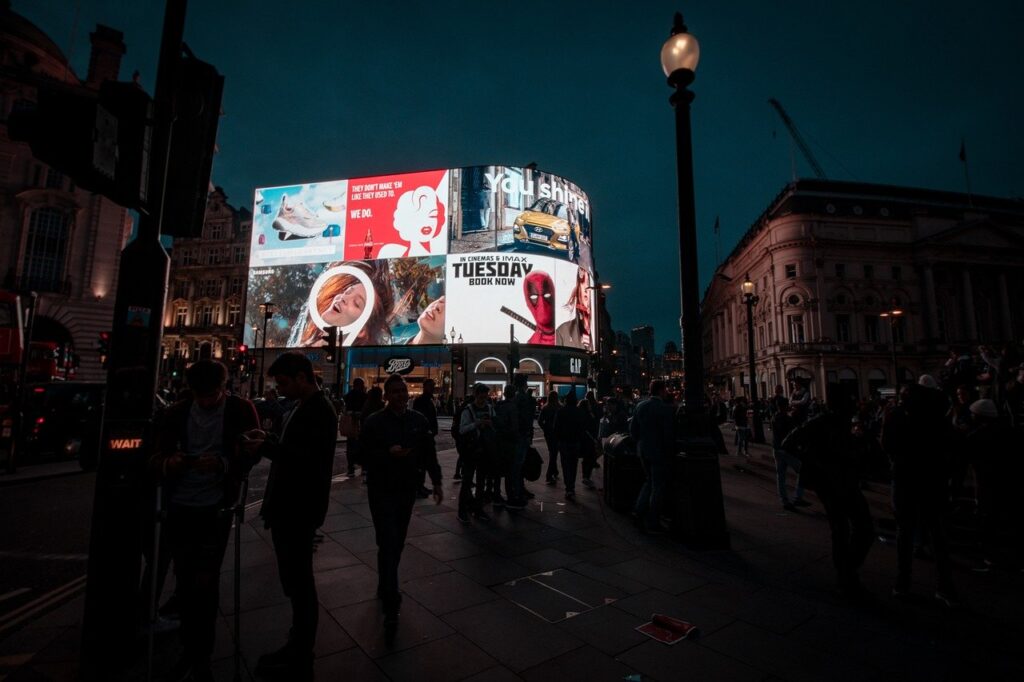
    A large outdoor screen promoting films in a city square. Promotion on this scale sits outside the production budget, which is one reason published loss figures are rough.
    • Prefer sources that say what they include. A loss that states whether advertising is counted is more useful than a bare number.
    • Stay within one source when ranking. Mixing outlets mixes methods.
    • Read the word estimate literally. Where studios do not disclose, every published loss is an outside calculation.

    When the studio feels the hit

    A single flop can end a business unit, not just dent a quarter. Collider reports that Mars Needs Moms cost nearly $150 million and made back only $39 million, and that Disney shuttered ImageMovers Digital shortly afterward. It is the most direct example here of a flop changing how a film studio operates.

    The wider response is on budgets. The Hollywood Reporter quotes producer Joe Roth saying studios are trying to get costs down by about 20 percent. If you follow release coverage, that is a useful signal: the lesson studios draw from a flop is usually to trim the cost they commit up front.

    Frequently asked questions

    Question Answer
    Which films lost the most money at the box office? There is no single ranking, because outlets use different budgets and adjustments. The largest reported figures here are Battlefield Earth’s inflation-adjusted $134 million estimate from Filmsite, Dark Phoenix’s estimated range of up to $133 million from MovieWeb, and Blackhat’s $90 million loss from Yahoo Entertainment.
    Which flops had the highest budgets? Battleship is among the most expensive flops covered here, with a reported budget of around $209 million to $220 million per Yahoo Entertainment. The 13th Warrior followed at over $160 million per Collider, then Sahara’s estimated $130 million to $160 million. Man of Steel’s $225 million cost is higher, but it grossed about $657 million worldwide.
    Do flops recover through home and streaming release? Home media sales sit outside box office totals and are one reason MovieWeb calls published loss figures imprecise. Whether home or streaming income closes the gap depends on figures studios rarely disclose, so treat a quoted loss as a box office estimate.
  • Teaser Trailer vs Official Trailer

    Teaser Trailer vs Official Trailer

    The difference between teaser and trailer comes down to length, footage and purpose: a teaser is usually under 1 minute and reveals very little, while a full trailer runs about 3 minutes and shows characters and plot.

    Both formats sit inside a film’s wider promotion, and readers who follow release announcements regularly will find more of that coverage in our movie news section.

    What a teaser trailer is

    A teaser trailer is the shorter format, and it holds information back on purpose. A Venison Media comparison of the two formats says teasers tend to be under the 1 minute mark and reveal very little about the film beyond details such as planned release dates, actors or the title. Some teasers run longer than that, so treat the figure as a typical value rather than a rule.

    The practical meaning is simple. A teaser is an announcement that a film exists and a hint of its tone. It is not built to explain the story, so it should not be judged as if it were.

    Length and pacing

    Teasers lean on very short clips from the film, often separated by fades to black, according to the same Venison Media write-up. Short clips and black gaps leave no room to follow a scene from start to finish. What a viewer takes away is an impression: a look, a mood, a sound, a name.

    That pacing suits viewers who want a quick signal that a film is coming without learning how it plays out. It is a poor basis for deciding whether the story will hold your interest, because the format is not designed to show one.

    Short online video is the setting many viewers meet teasers in, on a phone or laptop screen; this stock image is illustrative and does not show a specific teaser.

    Footage and dialogue

    A teaser may use no dialogue that relates to the film or its plot, per Venison Media. Silence, music or a single image can carry the whole piece. With no plot dialogue, there is nothing to spoil and nothing to explain.

    Teasers also do not always draw on the finished film. The same source notes that some teasers use footage created specifically for the teaser, a practice it describes as common in animated films. So a scene in a teaser is not guaranteed to be a clip lifted straight from the film. Anyone treating a teaser image as proof of what will appear on screen is reading more into it than the format promises.

    What a full trailer adds

    A full trailer is the longer, more informative format, and it usually runs about 3 minutes, give or take, according to Venison Media. The extra time lets it reveal the characters and the plot, though not everything. A trailer still has to leave reasons to buy a ticket.

    The way scenes are handled changes too. In a trailer the scenes are on screen for much longer than in a teaser, and the main characters’ costumes and weapons can be shown. That gives viewers something concrete to react to: who the people are, what they are up against and what the film looks like in motion.

    Sound also changes. The score or soundtrack may be revealed through a trailer more than through a teaser, though that is a tendency, not a guarantee. A viewer who cares about the music is more likely to get a meaningful sample from the longer format.

    Teaser versus trailer at a glance

    The table below puts the two formats side by side on the features that most often separate them. Use it to judge what each type of video can tell you.

    Feature Teaser trailer Full trailer What it means for viewers
    Typical length Usually under 1 minute; some run longer About 3 minutes, give or take Expect a glimpse from a teaser and a fuller pitch from a trailer.
    Information revealed Very little, such as release date, actors or title Characters and plot, but not everything Use a trailer, not a teaser, to judge the story.
    Clip style Very short clips, with fades to black Scenes on screen for much longer Longer scenes give a clearer sense of tone and action.
    Dialogue May use none that relates to the film or its plot Shows scenes from the film A silent teaser is normal and not a sign of a weak film.
    Footage origin Sometimes created specifically for the teaser Scenes from the film Do not treat teaser-only footage as a preview of the final film.
    Costumes and weapons Not a focus Main characters’ costumes and weapons can be shown Character design is easier to judge from the full trailer.
    Score or soundtrack Less likely to be revealed May be revealed more Music samples are more likely in the longer format.

    These contrasts follow the Venison Media comparison of film trailers and teasers.

    Timing and the completed film

    A trailer cannot be made before the film is completed, according to Venison Media. A trailer is therefore built from a film that already exists. A teaser is different. It relies on very short clips or on footage made only for the teaser, so it does not depend on a finished film in the same way.

    This explains why the two formats do different jobs. The teaser can signal that a film is on its way while very little is revealed. The trailer follows once there is a completed film to draw scenes from, and it carries the detail a teaser leaves out.

    Posters and first-look images work at the same announcement stage, and they are worth comparing alongside video when judging how a film is being introduced. Our guide to new movie posters covers that side of the campaign.

    Why films release more than one trailer

    Films release more than one trailer because each format does a different job. A teaser announces and intrigues while revealing very little. A full trailer then supplies the characters and plot that a teaser withholds. Releasing both lets a studio introduce a film in stages instead of showing everything at once.

    Trailer editors choose how long each scene stays on screen. A full trailer holds scenes longer than a teaser, which is why it can show more of the plot and characters.

    Types of movie trailers are often discussed under labels beyond these two. The teaser and the full trailer remain the most useful pair to separate, because they differ on measurable features: how long they run, what they reveal and what footage they use.

    Upcoming-release displays like this one belong to the same pre-release promotion as trailers; the posters shown are illustrative and are not tied to any teaser discussed here.

    Marketing does not guarantee a film’s commercial result. Readers curious about what happens when a promotional push does not turn into ticket sales can look at the biggest box office flops.

    Coming-soon signage is a reminder that a film’s promotion runs across several stages, with each trailer doing a different job before release.

    Reading each format sensibly

    Knowing the difference helps you decide what to expect from each video and what to avoid concluding from it.

    • Watch a teaser for the announcement. It confirms a title, cast or planned release date and sets a tone. It is the right choice if you would rather learn almost nothing about the plot.
    • Watch the full trailer to judge the story. Longer scenes, visible characters and a plot outline give you enough to decide whether the film appeals. It is the better choice if you care about the music too, since the score may be used more there.
    • Do not treat teaser footage as a promise. Because some teasers use footage created for the teaser itself, a striking image is not proof that the scene appears in the film.
    • Do not treat a trailer as the whole film. A full trailer reveals characters and plot but not everything, so there is still more in the film than the video shows.

    If a film has only a teaser out so far, wait for a full trailer before forming a view of the story. The teaser was not designed to carry that information.

    Frequently asked questions

    What is a teaser trailer in one sentence?

    A teaser trailer is a short promotional video that shows very short clips and reveals little beyond details such as the title, actors or planned release date.

    How long is a teaser compared with a full trailer?

    Teasers tend to run under 1 minute, although some are longer. A full trailer usually runs about 3 minutes, give or take, per Venison Media.

    Do teasers always contain footage from the finished film?

    No. Some teasers use footage made specifically for the teaser, which is described as common in animated films. A teaser scene may therefore not come straight from the film.

    Can a trailer be made before the film is finished?

    No. The Venison Media comparison states that trailers cannot be made before the film is completed, which is one reason a full trailer draws on finished scenes.

  • Upcoming Movie Release Dates

    Upcoming Movie Release Dates

    Planning around upcoming movies release dates? Avengers: Doomsday and Dune: Part Three are both listed for December 18, 2026, and the earliest title here, The Mosquito Bowl, is listed for October 30, 2026. Dates can still move until an official listing confirms them.

    Pick late 2026 if you want something to see soon, early 2027 for streaming debuts and expansions, and late 2027 for Frozen III and Avengers: Secret Wars. For wider coverage beyond dates, browse our movie news section.

    Theatrical releases from late 2026

    The nearest dates come from a ticketing site’s coming-soon page and a monthly release calendar. Use them to build a shortlist, because each listing shows the date a title currently carries rather than a studio’s own announcement. The ticketing entries also give ratings and running times, which help you choose a night out.

    Date Title Listing details Planning use
    October 30, 2026 The Mosquito Bowl Theatrical listing; rated R; 2 hr 7 min The earliest date in this list, and the R rating is the one to check against the ages in your group.
    November 5, 2026 Ramayana: Rise of a Legend Theatrical listing; rated PG-13; 3 hr 15 min The longest running time here, so allow for it when choosing a showtime.
    November 7, 2026 Rocky 50th Anniversary Theatrical listing; rated PG; 2 hr; trailer link on the page The most lenient rating in the table, which makes it the simpler pick for a mixed-age group.
    November 13, 2026 Ebenezer, How to Rob a Bank, Paper Tiger Calendar listing; release type and rating not shown Three titles share one date, so check each one’s format before choosing.
    December 18, 2026 Dune: Part Three, Avengers: Doomsday Calendar listing; release type and rating not shown Two large sequels open the same day, so decide which one you want first.

    Dates and details come from Atom Tickets’ coming-soon page and JoBlo’s new movies calendar, both third-party listings rather than studio announcements.

    Choosing by rating and running time

    The ratings on these listings give you a quick filter. Rocky 50th Anniversary is rated PG, Ramayana: Rise of a Legend is rated PG-13 and The Mosquito Bowl is rated R. If your group includes younger viewers, check the R and PG-13 titles against their ages before you pick a showing, and treat the PG title as the simpler choice for a mixed group.

    Ramayana: Rise of a Legend runs 3 hr 15 min on its listing, the longest running time among the titles in the table, so plan the rest of the evening around it. The Mosquito Bowl runs 2 hr 7 min and Rocky 50th Anniversary runs 2 hr.

    Shared dates

    Three titles share November 13, 2026: Ebenezer, How to Rob a Bank and Paper Tiger. Dune: Part Three and Avengers: Doomsday share December 18, 2026. When several titles land on one day, compare them by release type and rating first, because the entries for those dates show neither detail, so check each title separately.

    Not every listing comes from Hollywood. Gadgets 360’s Bollywood list, which separates theatre and OTT releases, shows Gunmaaster G9 for 27 November 2026 as an action, drama and thriller.

    Once a date holds, ticket costs matter as much as the calendar. Compare the average movie ticket price with your budget before you commit to a group booking.

    Early 2027: streaming, expansions and a Pixar title

    January and March 2027 mix release types, so read the label beside each title before you plan a visit. FirstShowing’s 2027 schedule is the main source for the dates in this section.

    Ink and the streaming label

    Ink is listed for Friday, January 8, 2027 as a Netflix streaming debut. That makes it a viewing plan at home rather than a cinema trip, so if you only buy theater tickets, skip it. If you track every title regardless of format, keep it on the list with its streaming label.

    Look Back and Gatto

    Look Back is listed for Friday, January 15, 2027 with the label “Expands”, so the expansion label is the detail to check against a theater listing before you count the date as a wide opening. Pixar’s Gatto is listed for Friday, March 5, 2027, the only Pixar title in these listings and the one to note if you are planning a family outing.

    Late 2027 and summer 2027 titles

    Frozen III is listed for Wednesday, November 24, 2027, and Avengers: Secret Wars for Friday, December 17, 2027, with IMAX noted on the second. The IMAX label is a format detail to check when you choose a screen, and it is the only format note in these listings.

    Because the two Avengers titles sit a year apart on these calendars, our guide to upcoming superhero movies is the place to compare them with other franchise dates.

    Stree 3 is listed by Gadgets 360 for 13 August 2027 as a comedy and horror film. It is the only summer 2027 date here, so it is the one to add to a calendar now if you want a mid-year option.

    Premiere date versus wide release date

    The calendars here do not share one vocabulary. FirstShowing lists wide releases, limited releases and streaming debuts. JoBlo filters by theatrical, limited, streaming and wide. Movie Insider adds Oscar run, expansion, one-day-only and VOD or digital scopes, so compare the label on each site rather than assuming one term means the same thing everywhere.

    Printed in red and black with partly visible numbers, these tickets stand in for the step where a listed date becomes a booking.

    Early access shows how a special screening can sit apart from the main listing. Atom Tickets gives The Hunger Games: Sunrise on the Reaping early access its own entry on November 18, 2026, with no rating shown, so an early screening should be planned separately from the film’s general release.

    For a group outing, look for a wide label first. Limited, one-day-only and Oscar-run labels describe a different kind of release, so treat them as separate plans rather than fixed weekend dates.

    A red carpet runs up wide stairs with no backdrop visible, so the photo illustrates the premiere idea rather than a specific event.

    Why release dates move and how to confirm one

    Release dates move because they are plans, not guarantees. FirstShowing’s schedule says plainly that release dates are subject to change, so any date here should be rechecked as it nears.

    To confirm a date, start with the studio or distributor’s own website or press release. Trade publications such as Variety and Deadline and theater chain listings are the next checks. A ticketing page showing a title as coming soon to theaters is a good sign, but only a studio announcement settles the date.

    The marquee’s changeable lettering is too small to read, so the sign illustrates how an opening date is announced to passers-by rather than any listed title.

    Ratings and distributors are the other details to check. To find the distributor of a title, use the studio or distributor’s site, and read the rating on the listing you rely on before you decide on a family screening.

    Tracking releases month by month

    A monthly view makes clusters obvious. JoBlo’s calendar groups titles under month headings, so you can see at a glance which dates are crowded.

    Use this routine to keep a personal calendar accurate:

    1. Choose your months. Start with the next few and leave dates further out until they are closer.
    2. Record the release type. Write wide, limited, expansion, streaming or one-day-only beside each title.
    3. Note the listing source. Mark whether a date came from a studio, a trade site, a ticketing page or an aggregator.
    4. Update when a date shifts. Replace the old date and keep a note of the change so you know which entries moved.
    5. Book after the wide date holds. Pick a showtime and format only then.
    A circled date on a printed planner page shows the habit of marking a day on a personal calendar and updating it as listings change.

    Frequently asked questions

    Is an early access screening the same as the opening day?

    No. Atom Tickets lists The Hunger Games: Sunrise on the Reaping early access separately, on November 18, 2026, with no rating shown. Treat it as a special screening, not the wide release.

    Can I preview a trailer from the listing page?

    Yes, for at least one title. Atom Tickets’ coming-soon page includes a Watch Trailer link beside the Rocky 50th Anniversary entry, so you can preview that film from the page you use to check dates.

    Do Bollywood films appear on the same calendars?

    Some lists cover them separately. Gadgets 360’s Bollywood page sorts films by those headed to theatres and those releasing on OTT platforms, so check which group a title falls in.

  • Movie Posters and First Look Images

    Movie Posters and First Look Images

    The best source for new movie posters depends on what you need: official studio channels for authentic releases, alternative poster archives for artist reinterpretations, and print retailers for wall-ready copies. Each needs a different authenticity check.

    For coverage that surrounds these reveals, browse our movie news. This page sorts where poster and still sources fit, then shows how to confirm that a reveal is an official studio release.

    Quick answer and selection criteria

    No single source wins on every count, so the items below are not ranked. They run in the order a careful reader would use them: confirm the official release first, then look at artist interpretations, then decide where to buy a print.

    Two black film reels and a strip of film sit beside the tablet and a magazine whose cover reads ‘artweeks’.
    • Authenticity: an official reveal comes from the studio or distributor. Everything else is a reproduction, a reinterpretation or a fan edit.
    • Credit: a named artist on a listing tells you the work is someone’s own design, not studio key art.
    • Date: a dated listing lets you check that a poster is actually new.
    • Format: a printed poster, a metal print and a framed copy suit different walls and budgets.

    If you only want to know whether a poster is real, skip to the verification steps. If you want something to hang, start with the retailers.

    Where to find new movie posters

    Studio and distributor channels

    This is the only category that can confirm an official poster reveal. A studio’s own website and its official social accounts are where key art and first look images are normally announced, and trade coverage tends to repeat what they publish. It suits anyone who wants the authentic image and the right release context.

    The limitation is practical. A studio post is usually a digital image, not a print you can buy, so you will often move on to a retailer afterwards.

    Alternative Movie Posters

    Alternative Movie Posters describes itself as the world’s largest curated collection of alternative movie poster art. Its listings are dated and credit an artist for each poster. One recent entry is Hellraiser by Danielle Del Plato, listed on 2026-10-12, and another is Star Wars: The Mandalorian and Grogu by Johan Samuelsson, listed on 2026-10-05.

    It suits readers who like poster design as a craft and want to see how different artists reinterpret a film. Treat these pieces as artist work, not as studio releases. A named artist and a listing date are signs of an alternative poster, so never present one as the official key art.

    Displate

    Displate sells movie posters printed on metal, designed by thousands of independent artists. Its movie search returns more than 1000 posters, so there is plenty of choice but little curation.

    It suits buyers who want a durable, wall-ready print and are happy with artist designs. It is a poor fit if you need the exact studio poster, because the designs come from independent artists.

    Fine Art America

    Fine Art America lists 86,140 results for movie posters. Each poster is available in multiple sizes and may be custom framed, with frame and mat options.

    It suits buyers who want to match a poster to a specific frame and wall space. The scale is also its weakness: with a catalog this large, searching by film title and checking who made the design matters more than browsing.

    Posterlounge

    Posterlounge offers movie posters with or without a frame. Unframed copies can be attached to the wall with poster strips or adhesive putty. Its Pulp Fiction poster is listed from 7,95 €, though prices change, so check the current listing before you buy.

    It suits anyone who wants a simple, low-commitment poster for a room and may not want to pay for framing. As with the other retailers, the listing does not make a design an official studio poster.

    Archive versus metal print marketplace

    The two sources that most often get confused with official art are the curated archive and the artist marketplace. They share a theme but serve different purposes.

    Criterion Alternative Movie Posters Displate Planning use
    What it is Curated collection of alternative poster art Movie posters designed by independent artists Browse the archive for design ideas; use the marketplace to buy
    Credit shown Artist named on each listing Independent artists Both signal artist work, not studio key art
    Format Presented as poster art for viewing Printed on metal Choose metal if you want a hanging print
    Freshness Entries carry dates Large search listing of more than 1000 posters Use dated entries to confirm a poster is recent

    Figures and descriptions come from Alternative Movie Posters and Displate.

    How to verify an official studio release

    A poster is official when the studio or distributor published it, and you can check that without any special tools. Work through these steps in order.

    1. Find the studio’s own post. Look for the same image on the studio or distributor’s website or verified social account. If it exists only on a reposting account, treat it as unconfirmed.
    2. Look for an artist credit. A named artist, as on the alternative poster listings above, usually means a reinterpretation rather than studio key art.
    3. Check the credit block and title treatment. Official key art generally carries the film’s real title treatment and billing text. Garbled lettering or mismatched logos are warning signs.
    4. Compare against trade coverage. If entertainment trade publications ran the image and attributed it to the studio, that adds confidence. If nobody credits a source, wait.
    5. Run a reverse image search. An older or edited version of the same image suggests a recycled or doctored poster, not a new reveal.

    Posters often land next to video announcements. If the campaign opens with a short teaser, our explanation of the difference between teaser and trailer helps you read what the studio is actually announcing. For animated titles, the list of upcoming animated movies gives release context to match against a poster you have found.

    First look images and where they come from

    A poster is designed key art. A first look image is different: it is a still, usually showing cast in costume, released ahead of the film. Because the two arrive through different routes, they need slightly different checks.

    Production stills

    A first look still begins on set, where a crew films costumed actors in scene. That origin is why the studio or distributor is the natural first place for it to appear. A still that shows up only on an anonymous account, with no studio post behind it, is not a confirmed first look.

    A camera on a tripod and a crew member holding a white board: stills start as production work, which is why the studio is the best place to confirm one.

    Press events and premieres

    Cast photos from press events and premieres are a second route. Photographers line up along the carpet, and the pictures spread quickly through news sites. These images show real people at a real event, but they are not the same as a studio first look, so check the caption to see which one you are viewing.

    A figurine stands in for the press line at a premiere, with gold rope barriers along the red carpet steps behind it.

    Exclusive reveals

    Outlets sometimes publish a still as an exclusive, with the studio’s approval and the outlet’s own framing. When you see an exclusive, look for the outlet’s attribution and whether the studio’s channels follow with the same image. If they do, the image is confirmed. If they do not, keep it provisional.

    Editorial pages in red, blue, yellow and purple: an exclusive still sits inside an outlet’s own layout, so check whether the studio’s channels carry the same image.

    Choosing between a poster and a print

    Decide what you need before you search, because the answer changes the source.

    • You want the real thing: use studio channels, confirm with the verification steps and save the digital image.
    • You want an interpretation: browse Alternative Movie Posters, note the artist’s name and check for a legitimate print route.
    • You want something durable: look at Displate for metal prints.
    • You want a framed piece: Fine Art America and Posterlounge both offer framing.

    Frequently asked questions

    Is an alternative movie poster an official studio poster?

    Not necessarily. Alternative Movie Posters credits a named artist on each listing, which marks the work as that artist’s own design. Treat it as a reinterpretation unless the studio itself has published it.

    Can I hang a movie poster without a frame?

    Yes. Posterlounge says its movie posters can be attached to the wall with poster strips or adhesive putty, and it also sells them with a frame.

    Where can I get a framed movie poster?

    Fine Art America says its movie posters come in multiple sizes and may be custom framed, with frame and mat options. Posterlounge also sells posters with or without a frame.

    What separates a poster reveal from a first look photo?

    A poster is designed key art, while a first look photo is a still taken from the film’s production. Both can be official, but each should be confirmed against the studio’s own post.