Tag: anonymous sources

  • How to Write About Comic Book Movie Rumors

    How to Write About Comic Book Movie Rumors

    You’ve seen a studio rumor trending and want to post fast. Here is how to write about movie rumors responsibly: name where the claim came from, say what is unconfirmed, and stay ready to correct the piece.

    This workflow sits within our broader pop culture commentary coverage. It is about sourcing and labelling, not ranking rumors or reacting to them. The aim is for a reader to see how much is actually known.

    Separating a rumor from a confirmed report

    A confirmed report rests on an original source you can identify and a statement that source stands behind. A rumor is anything short of that. The SPJ Code of Ethics (revised in 2014) tells journalists to verify information before releasing it and to use original sources whenever possible. In entertainment journalism that principle becomes three quick questions:

    • Who said it first? If you cannot name the origin, you are repeating a claim, not reporting it.
    • Is the source on the record? A named person or an official studio channel can be checked. An unnamed account can only be described.
    • Has anyone with a stake responded? A claim nobody connected to the project has addressed remains unconfirmed, however widely it spreads.

    Trace the claim to where it began

    Most movie rumors pass through several reposts before they reach you, and each hop strips away detail about the original basis. Work backwards until you reach the first public appearance, then record what that first source actually said rather than what later headlines claimed. A simple source log is enough: the claim, the original source, how you reached it, and what has and has not been confirmed.
    An illustrative film-camera image: production-level details such as casting and shooting plans are the kind of information that tends to leak first.

    Press releases and official channels

    A press release is a news story written by a public relations professional and sent to targeted members of the media. Its job, as one marketing guide puts it, is to give media outlets pre-packaged, factual content for building news stories. So a studio release confirms that the studio said something, in the studio’s own framing. The SPJ code asks journalists to identify content provided by outside sources, whether paid or not, so attribute the announcement to the studio rather than presenting it as your own finding.

    Official artwork and social posts are studio-supplied material too, and our guide on how to read a superhero movie poster shows how to read such marketing closely without over-reading it.

    Judging how reliable a movie scoop is

    Reliability depends on how the source is identified and how directly it knows the information. The SPJ code says the public is entitled to as much information as possible to judge the reliability and motivations of sources. Use the table to decide what a claim can honestly be called.

    Source situation What it tells you Planning use
    Studio press release or official account Confirms the studio made the statement, framed as the studio wants it. Attribute by name: “the studio announced”. Do not add details the release does not contain.
    Named person on the record The claim can be checked and the speaker can be held to it. Quote or paraphrase with the name and role.
    Anonymous source with a stated reason for anonymity Weaker than on-the-record, but readers can weigh it. Describe the source’s position and explain why anonymity was granted.
    Repost or aggregator citing another outlet Second-hand; the original basis may have been lost. Go to the original report and credit it, or hold the story.
    Unnamed claim with no explanation or evident motive Nothing to judge the source by. Treat it as a rumor. Never present it as a report.

    The table draws on the SPJ Code of Ethics for source identification and on a press release guide for the role of releases as pre-packaged material.

    Anonymous sources in entertainment scoops

    The SPJ code says to reserve anonymity for sources who may face danger, retribution or other harm and who have information that cannot be obtained elsewhere. It also says to consider a source’s motives before promising anonymity and to explain why anonymity was granted. Apply that test honestly. If the same information could be obtained on the record, an unnamed source is a weaker foundation, and your piece should say so rather than lending it extra weight.

    Trade outlets as comparison points

    Before you publish, check whether established trade publications such as Variety, Deadline or The Hollywood Reporter have covered the claim, and read how they attribute it. Their wording shows how much they are willing to stand behind. A claim that appears only on an unnamed account is a different thing from one reported with described sourcing, and your own phrasing should reflect that difference.

    A general stack of print news, used here as a stand-in for the established outlets whose attribution wording you compare against.

    Labelling an unconfirmed claim

    The label belongs in the headline, not just the body, because many readers never get past the headline. The SPJ code asks for special care not to misrepresent or oversimplify in promoting, previewing or summarizing a story. A headline that states a rumor as fact breaks that rule however careful the article beneath it is.

    In the headline

    Put the status word next to the claim: “reportedly”, “rumored” or “unconfirmed”. Attribute to the source where space allows, so “Studio says” and “Report claims” do different jobs. Avoid a headline that sounds settled while the body hedges.

    Notes kept by hand beside a phone: the origin of each claim gets written down before drafting begins.

    In the body

    Open with a status paragraph before any speculation. It should answer four things: who made the claim, how directly they know it, what the studio or other subjects have said, and what remains unconfirmed. A consistent ladder helps readers compare your posts:

    • Confirmed: an official source, on the record, has said it.
    • Reported: a named or described outlet or source says it, and the studio has not responded.
    • Rumored: the claim circulates without an identifiable origin.
    • Speculation: your own or others’ inference from known facts.

    Keep your opinion apart from the reporting. The SPJ code is blunt about it: label advocacy and commentary. If you want to say what a casting rumor would mean for a franchise, put that in a clearly marked section after the status paragraph. Then set an editor’s note or status line near the top of the article, where readers will see it before the details.

    When to wait for official confirmation

    Wait when you cannot describe where a claim came from. The SPJ code states that neither speed nor format excuses inaccuracy, which applies equally to a quick social post and a full article. Being second to publish costs little. Being first with something wrong costs credibility.

    Embargoes are a clear case for holding back. An embargoed press release should state its embargo date clearly, and while there is no for-sure guarantee that every journalist will observe it, but most should, you should. Publishing early on someone else’s embargoed material, then calling it a rumor, muddles what you actually know.

    Wait longer when a claim criticises or accuses someone. The SPJ code asks journalists to diligently seek subjects of news coverage so they can respond to criticism or allegations of wrongdoing. A rumor about conflict on a production is not ready until you have tried to reach the people it names, or at least the studio.

    Rumors about how an adaptation treats its comic deserve similar patience. Judgements about fidelity are only as good as the material behind them, so hold the analysis until there is something official to look at. Our guide on how to compare a movie to the comic book covers that comparison once the film or footage is available.

    Updating and correcting a rumor piece

    A rumor post is a draft of the story, not the end of it. The SPJ code tells journalists to gather, update and correct information throughout the life of a news story, and to provide updated and more complete information as appropriate. When new facts arrive, work through these steps:

    1. Decide what changed. The claim may now be confirmed, denied or still unresolved, and each needs different wording.
    2. Update the status line first. Move the new status to the top and change the headline if it no longer matches the facts.
    3. Add the new information. Say what the studio or source stated and where, instead of silently rewriting the old text.
    4. Correct any mistake openly. The code says to acknowledge mistakes and correct them promptly and prominently, and to explain corrections and clarifications carefully and clearly.

    A confirmed rumor still needs the label history: say that earlier coverage was unconfirmed and what changed. A denied rumor needs the denial where the original claim sits, not buried in a separate post that readers of the first one will never find.
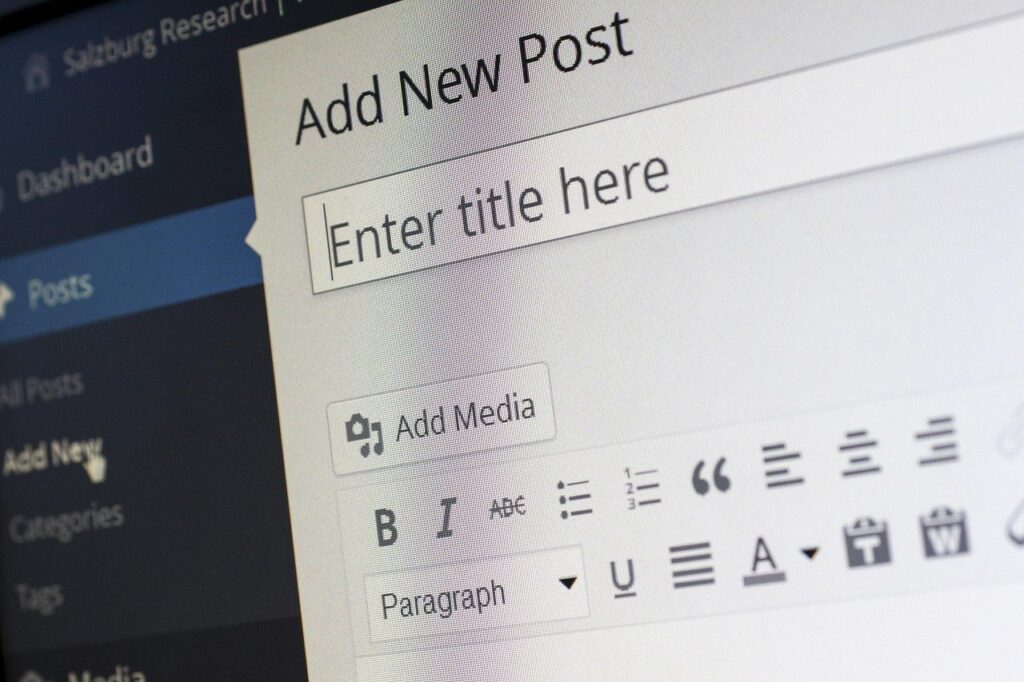
    A generic post editor: the title field and the space above the first paragraph are where a status label and editor’s note can sit.

    Frequently asked questions

    Question Answer
    Is it acceptable to pay or trade favors for a movie scoop? No. The SPJ code advises being wary of sources offering information for favors or money, and says not to pay for access to news.
    Should I ask the studio for comment before posting a rumor? Where the claim touches the studio or named people, yes. The SPJ code asks journalists to diligently seek subjects of coverage so they can respond, and a response (or the lack of one) belongs in your status paragraph.
    How long is a typical press release, and why does it matter? One marketing guide recommends keeping releases between 300 and 600 words and no longer than one A4 page. That short, packaged format is a summary of what the sender wants known, so treat it as a starting point for your reporting.
  • Anonymous Sources in Celebrity News Explained

    Anonymous Sources in Celebrity News Explained

    Situation in a story What the ethics standards imply Planning use
    A claim attributed only to an unnamed person Reporters are expected to seek reliable sources and to be as accurate as possible given the time allotted. Read the label as the outlet’s description, not as proof that the person was reliable.
    An event with a single eyewitness It is reported with attribution. Expect hedged wording and treat the claim as one person’s account.
    An event with two or more independent eyewitnesses It may be reported as fact. Look for signs that separate people confirmed the same event, not one account repeated.
    A story about a public figure Public figures have fewer privacy rights in US law than private persons. Expect intrusive coverage, and do not treat a celebrity’s fame as a sign the claim is true.
    An outlet with formal accountability Many news organizations keep an in-house ombudsman. Prefer outlets that show some visible accountability structure over those that show none.

    The table draws on a summary of journalism ethics standards.

    What does a source close to the star mean? It means the outlet is relaying information from an unnamed person it describes as near the celebrity, so readers cannot check who spoke, how close they were or what they stand to gain.

    The phrase is one piece of how celebrity gossip is packaged for readers. For the wider question of outlet quality, see are celebrity gossip sites reliable.

    What anonymous wording changes for a reader

    An unnamed source leaves a reader to weigh a claim on its wording alone. The decision is less about whether the claim sounds plausible and more about how much the label actually tells you.

    • The speaker is hidden. You cannot look up the person’s role, history or track record, so the usual test of whether someone is in a position to know is unavailable.
    • Closeness is undefined. “Close to the star” and “insider” describe a relationship without naming a job, a date or a vantage point. The phrase does not separate a witness from someone repeating what they heard.
    • Motive is invisible. Ethics codes are described as guides through difficulties such as conflicts of interest. With a named person you can ask who benefits. With an unnamed one you cannot.
    • The count of witnesses is unknown. The standards summarised above distinguish a single eyewitness, whose account is reported with attribution, from two or more independent eyewitnesses, whose account may be reported as fact. An anonymous label does not reveal which situation applies.

    In practice, treat a claim resting on one unnamed voice as an allegation, however confidently it is written. The next section looks at the phrases themselves.

    Reading the common phrases

    Attribution is the practice of telling readers where information came from. Anonymous attribution does this in a way that withholds the name, and the vocabulary used varies by outlet.

    “A source close to the star”

    This wording points toward a person near the celebrity without saying how near. It can sit comfortably beside a quote, which makes the quote feel firsthand even when the label does not establish that. A useful habit is to ask what the phrase would have to mean for the claim to be reliable, and then notice that the text never confirms it.

    “An insider”

    “Insider” is shorter and sounds more authoritative, yet it carries the same gaps: no role, no vantage point, no way to tell a single voice from several. A stronger-sounding label is not stronger evidence. Compare labels by what they let you check, not by how confident they sound.

    Named versus unnamed attribution

    A named person can be asked, contradicted or held to account. An unnamed one cannot, which is why the same sentence reads differently when the speaker is identified. When a story gives both kinds of attribution, give more weight to the named material and treat the anonymous part as the weaker support.

    Why outlets use anonymous sources

    Outlets use anonymous sources because some people will share information only if they are not named, and because journalism ethics asks reporters to weigh the harm that gathering and reporting can cause. The standards summarised here tell journalists to recognize that gathering and reporting information may cause harm or discomfort. Withholding a name is one way an outlet can act on that concern.

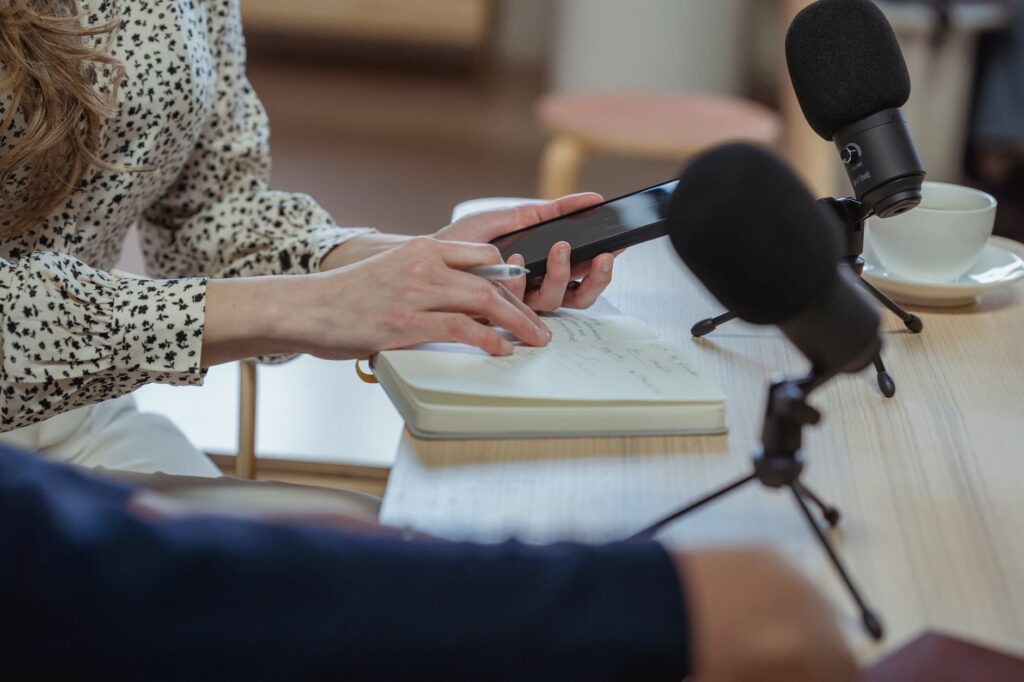
    A notebook, phone and microphone on a table capture how a conversation with a source is recorded, though the reader sees only the summary.

    Entertainment journalism sits inside the same framework as other reporting. The summary describes journalism ethics as principles of ethics and good practice for professional journalists. Reporters are expected to be as accurate as possible given the time allotted, and to seek reliable sources.

    A notepad clipped to a board and a phone held to the ear show the basic mechanics of a source interview, which readers of the finished story never see.

    The practical lesson is that anonymity is a trade. The outlet gets information it might not otherwise have, and the reader gives up the ability to judge the speaker. Anonymity is easier to accept when a story shows the effort behind it, such as multiple accounts or corroborating detail, and harder to accept when the unnamed person is the only support.

    How tabloids get celebrity stories

    A tabloid can build a story from several inputs: a named interview, a photograph, an eyewitness account or an anonymous tip. Each input has a different reliability profile. An eyewitness who is quoted by name is easier to weigh than a “source” described only by closeness to the star.

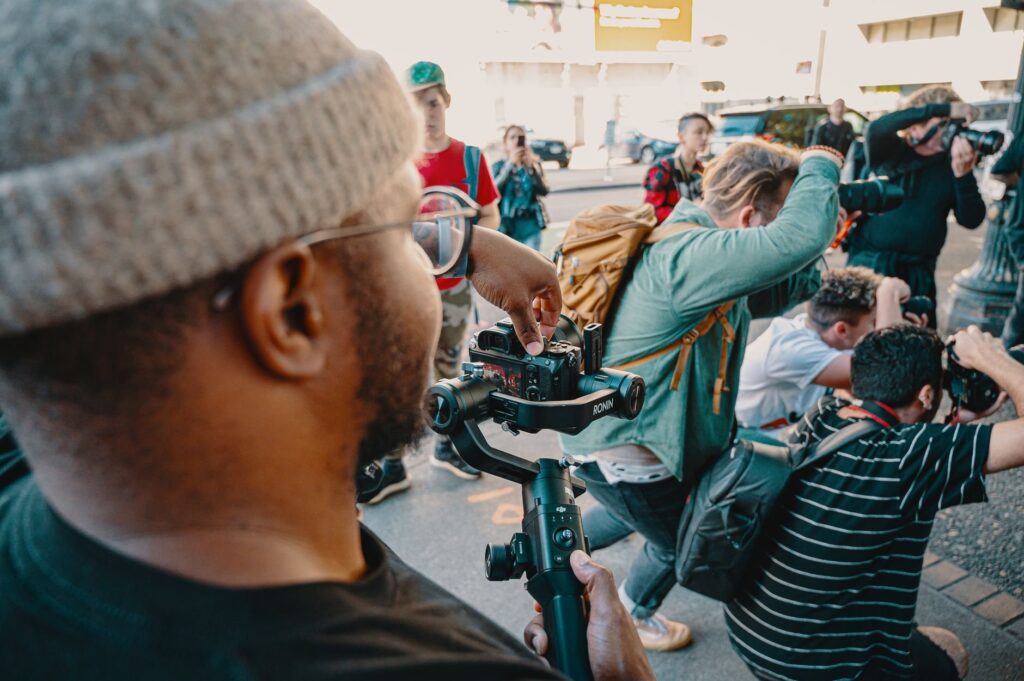
    Photographers gathering on a sidewalk illustrate a route to a story that does not depend on anyone speaking, so a photo-led item and a source-led item should be read differently.

    This matters for decoding wording. When a tabloid story is built around a picture, the picture can show what happened but not why. When it is built around an unnamed source, the words carry the whole claim. The explanation of motive or meaning that appears alongside a photograph is often where an anonymous voice enters. For the broader process, read how does celebrity gossip work.

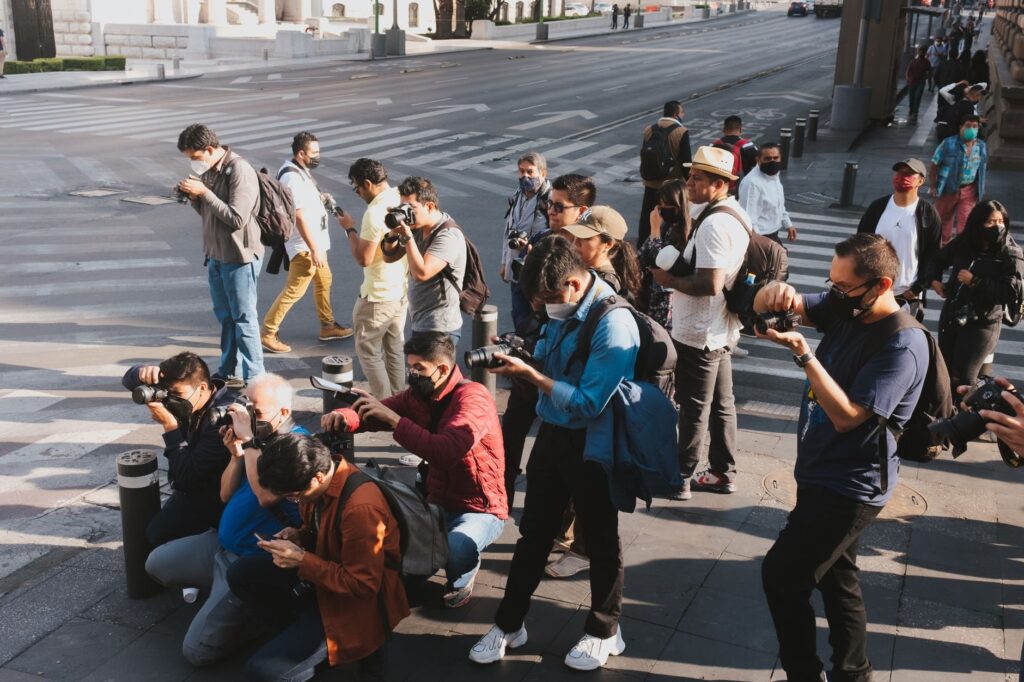
    A line of photographers in daylight, with pedestrians passing behind, shows how public the coverage of well-known people can be compared with the private sourcing behind many written claims.

    Public figures, publicists and privacy

    Public figures have fewer privacy rights than private persons in US law, according to the ethics summary. The same text recognizes that private people have a greater right to control information about themselves than public officials do. The effect is that coverage of celebrities faces fewer legal brakes than coverage of ordinary people, so the burden of judgement shifts toward the reader.

    A publicist is a person whose job involves a star’s public image, and that is a reason to ask who the unnamed voice might be. A source could be a friend, a colleague or someone with an interest in how the story lands. Because ethics codes flag conflicts of interest as a recurring difficulty, a claim that happens to flatter or damage someone is worth a second look. The label alone will never tell you which it is.

    Judging a claim that relies on an unnamed source

    Judge an anonymous claim by what the text lets you test, not by how insider-sounding it is. These checks fit the wording itself, without needing to investigate the outlet.

    • Look for the count. Wording that points to separate, independent accounts is closer to the standard for reporting something as fact. A single voice, however labelled, is closer to the standard for reporting with attribution.
    • Check for a vantage point. If the story says what the person saw or heard directly, the claim is stronger than if it only gives their closeness to the star.
    • Notice who gains. A claim that serves an obvious interest deserves more caution, since conflicts of interest are a standing concern in ethics codes.
    • Separate fact from characterization. A named, checkable detail is stronger than an unnamed person’s description of someone’s feelings or intentions.
    • Wait for confirmation. If nothing named appears, treat the claim as unconfirmed and hold off on repeating it as fact.

    These checks suit casual readers who want a quick filter. They do not replace the question of outlet reliability, which is a separate decision covered elsewhere on the site.

    Frequently asked questions

    What is an unnamed source in entertainment news?

    An unnamed source is a person whose information appears in a story without their name attached. The outlet describes them in general terms, such as “insider” or “source close to the star”, and the reader cannot identify or contact them.

    Is an unnamed source the same as an invented one?

    No. The label itself does not show whether a person exists or spoke accurately. It only means the reader cannot check, so the wording should be weighed as a claim rather than treated as either proven or fabricated.

    Does “insider” carry more weight than “source close to the star”?

    Neither phrase names a role, a date or a vantage point, so neither is stronger evidence. One may sound more confident, but confidence in wording is not a measure of reliability.

    How should a poll or percentage in a celebrity story be read?

    The ethics standards say survey and statistical information deserve special treatment: conclusions should be communicated in precise terms, with estimated error and methodological flaws stated. A figure given without that context deserves caution.