

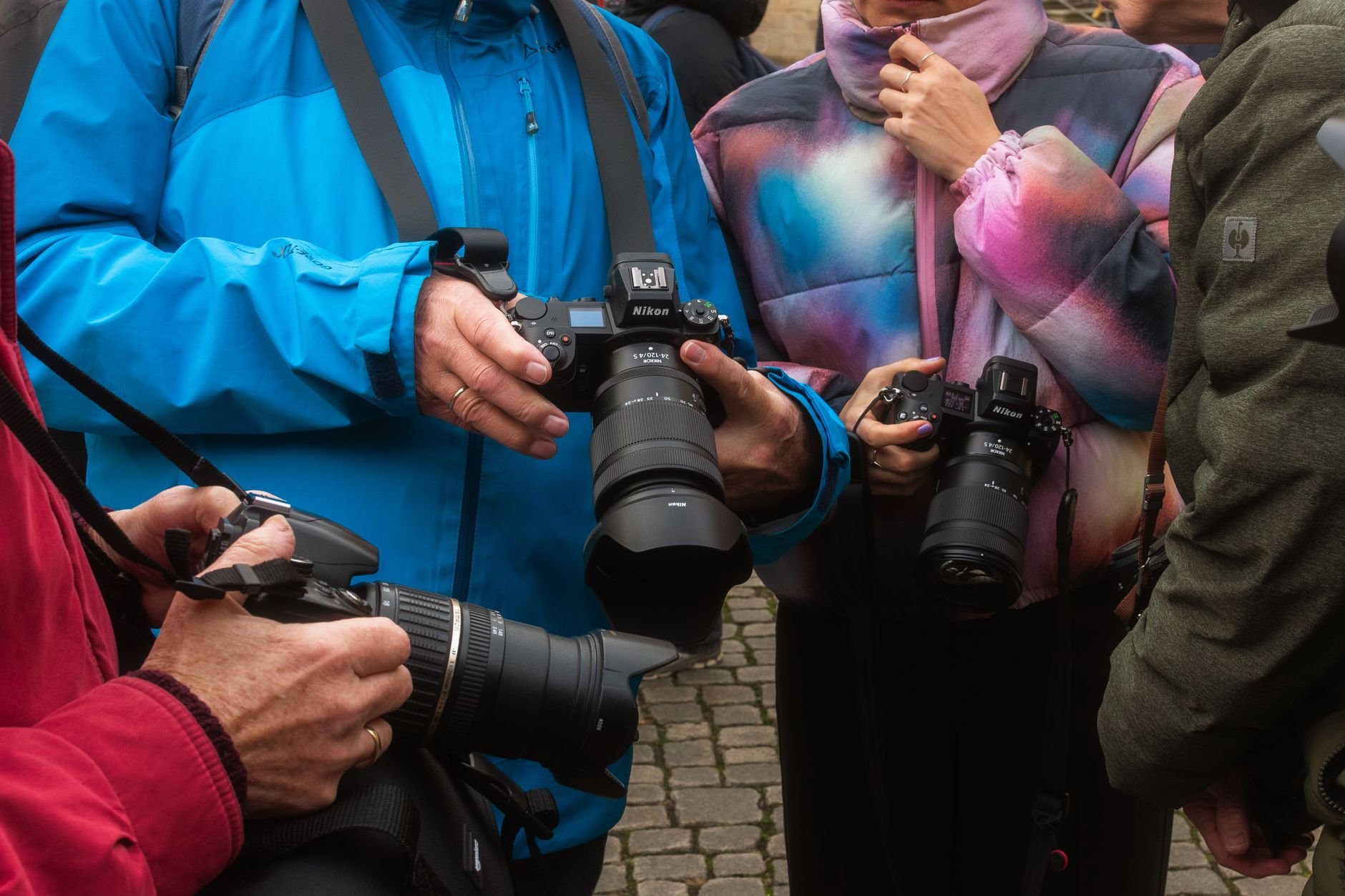
How do paparazzi work? They follow celebrities persistently, shoot full-figure frames from a distance with fast telephoto lenses, and pass the best images to an agency that sells them to publications. The photo alone rarely proves how a meeting came about.
This guide traces one image from capture to published story, and it is background for judging celebrity gossip built on candid pictures.
Paparazzi versus celebrity photographers
Paparazzi are defined by persistence. A practitioner account on Photography Bay separates them from celebrity photographers by how they behave: paparazzi constantly follow celebrities and intrude on their private lives, while celebrity photographers prefer to wait for the target to come out in public, snap the photos and leave.
The distinction matters when judging a picture. A red-carpet shot belongs to the second group, because the appearance was public and expected. A frame of someone walking down a street or leaving a building usually belongs to the first, because the photographer chose to follow rather than wait for an invitation.
The same account describes the job as slow and often dull. It refers to hours upon hours of waiting and watching that can become frustrating before a brief opportunity appears. A candid image therefore tends to be the product of long, deliberate effort rather than a lucky glimpse. Whether that effort ended in a chance encounter or a known location is something the image does not reveal.
The photographer also manages visibility. The same account describes keeping the camera concealed in a bag until the right moment arrives. The result is that most of the working day produces nothing, and the saleable frames come in a short burst.
Equipment and positioning
Equipment is built around reach and speed. A Picture Correct guide to news and paparazzi work says a kit needs to cover 28mm to 200mm with two fast zooms, and defines fast as large-aperture f/2.8 lenses. For long-distance work it points to a 300mm lens with a doubler.
It also notes that a full-frame sensor is, for all intents and purposes, the same size as a 35mm film frame. That is the format the lens advice assumes. A fast, long lens lets a photographer stay back from the subject, which suits shooting from a vehicle or across a street.
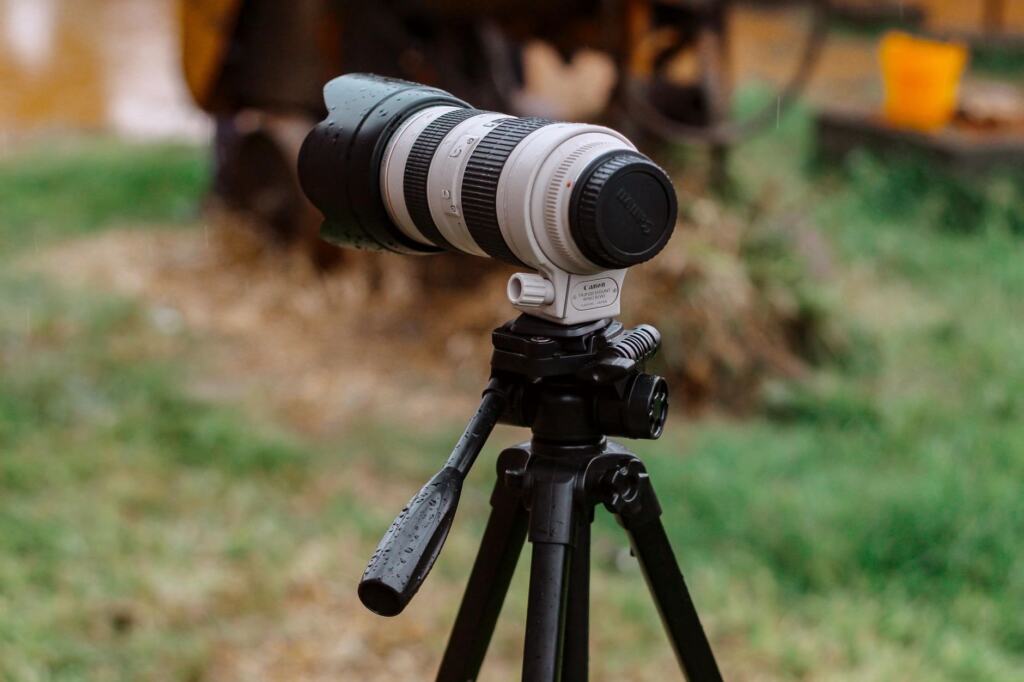
Not everyone has that glass. The Photography Bay account says that without the required telephoto lens, a photographer must do everything possible to get in close. Distance therefore separates two working styles: long lenses mean the photographer can stay far away, while short lenses force proximity and more confrontation.
What makes a frame sellable
The same account gives blunt rules for frames that will sell. All photos need to be taken from in front of the celebrity, and side profiles will not sell. It also advises shooting vertical, never horizontal, with the full figure from head to toe.
These rules explain why published candid photos look alike. Many show a person facing the camera, walking, in a tall frame that fits a magazine page. The look comes from what buyers want, which is worth remembering: a picture is selected and shaped by market demand as much as by what happened.
From capture to agency desk
After the shoot, images move to a photo agency. The agency sits between photographer and publication, and it also guides the shoot itself. The Photography Bay account records agency advice to follow the subject to the next location and keep shooting, because more frames and more locations give editors more to choose from.
Agency selection is the stage where a long day shrinks to a few usable images. A photographer may shoot many frames, but the picture desk looks for the ones that match the buyer’s needs: a recognisable face, a clear frame, a vertical full figure. Editors then offer those images to outlets.

Volume of output can be small. The Picture Correct account describes a session in which about five frames were shot, and those pictures were in every UK national newspaper the next day. Reach, in other words, does not depend on how many pictures were taken. A handful of strong frames can travel through the whole press within a day.
How a photo becomes a story
A published paparazzi photo is only the starting point of a story. The picture supplies a place, a time and a facial expression, and the outlet supplies the narrative. Because the frames are often silent about context, a caption or headline can imply a mood, a relationship or a conflict that the image does not establish.
That gap is where gossip grows. A single full-figure frame of someone looking away or walking quickly can be described as upset, secretive or rushed. The same frame could equally show an ordinary moment. Treat the caption as a claim and the photo as evidence only of who was where, roughly when.
Questions to ask of a candid photo
- Was the setting public? A street or event is consistent with the public-place accounts below, while a private setting raises a different question.
- Does the caption claim more than the frame shows? Look for mood, motive or relationship being asserted from a single image.
- Is the shot the standard saleable type? A vertical, front-facing, head-to-toe frame reflects buyer demand, not necessarily anything unusual about the moment.
- Does a second independent source back the story? The step-by-step method in how to tell if a celebrity rumor is true applies directly to stories built on photographs.
Staged tip-offs and what a photo cannot prove
Persistent following does not exclude cooperation. A photograph taken in public with a subject facing the lens is consistent with a chance encounter, a long stakeout or an arranged appearance, and nothing in the frame separates them. That is a reason for caution rather than a verdict on any particular picture.
The practical rule is to rely on what a photo can show and to be wary of what a caption adds. Where a story rests on an unnamed insider, compare it with the kind of anonymous claim explained in what is a blind item. Both formats ask readers to accept a framing they cannot check for themselves.
Legal limits on paparazzi
Legal limits depend on place, and the supplied accounts describe practice rather than statute. The Photography Bay account says shooting is acceptable as long as the photographer is not blocking the subject and is not on private property. The same writer describes the photography as totally legal in the public streets of New York City.
Two conditions stand out in that account. Blocking a person and entering private property are the lines it treats as limiting a shoot. These are a practitioner’s working rules and a report of one city, so they should not be read as a legal summary of every jurisdiction. Anyone who needs to know what applies in a specific country or state should check its statutes or a legal summary.
For readers judging a story, the legal question and the ethical question are separate. A photo can be lawfully taken in a public street and still be used to push an unfair caption. Legality says how the picture was gathered; it says nothing about whether the story attached to it is accurate.
Frequently asked questions
How do paparazzi work day to day?
They follow targets, wait for hours, keep the camera out of sight until the moment arrives, and then shoot quickly. Frames go to an agency that selects and offers the best to publications.
How do paparazzi photos become stories?
An agency selects the frames that match buyer needs, such as vertical full-figure shots facing the camera, and outlets add captions and text. The picture shows who was where; the narrative comes from the outlet.
What laws limit paparazzi?
One practitioner account says shooting is acceptable if the photographer is not blocking the subject and is not on private property, and calls street photography in New York City totally legal. Rules differ by jurisdiction, so check local statutes.
How much do paparazzi photos sell for?
A single fixed price cannot be quoted. One account describes about five frames reaching every UK national newspaper the next day, which shows that a few strong images can travel widely.
Do celebrities tip off paparazzi?
A candid photo cannot show whether a meeting was arranged, because a stakeout and a tip-off can produce the same frame. Treat the caption’s claims separately from the image.